
Agriculture & Horticulture Courses in Canberra
Cool-climate grazing, gardens and land management
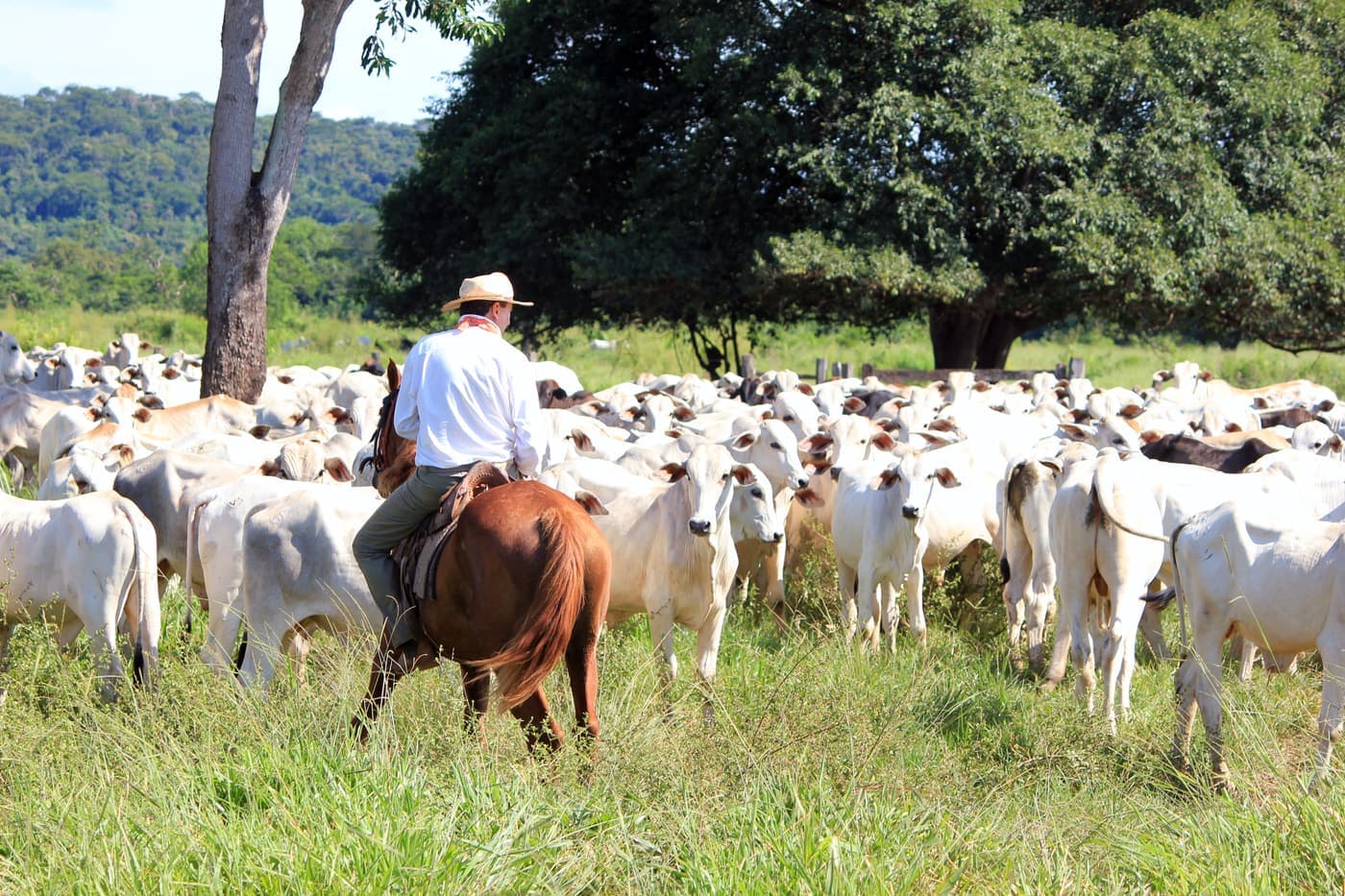
Canberra is surrounded by the Southern Tablelands, a cool-climate grazing region running sheep and cattle, with a cluster of cool-climate wineries in the Canberra District. The 'bush capital' also has extensive nature reserves, making it a natural fit for landscaping, revegetation and land management study. Study online from anywhere in the ACT.
Key Crops & Specialities
sheep & wool
beef cattle
pasture
cool-climate wine grapes
vegetables & gardens
native revegetation
Seasonal Calendar
January
- •Summer heat peak
- •Water management critical
- •Thin out seedlings
February
- •Late summer production
- •Plan fall crops
- •Transition begins
March
- •Autumn crop planting
- •Pleasant growing weather
- •Pest management
April
- •Autumn harvest
- •Winter crop setup
- •Frost risk begins
May
- •Late autumn
- •Cool season advantage
- •Frost protection needed
June
- •Coldest period
- •Frost risk high
- •Minimal new planting
July
- •Deep winter
- •Frost maintenance
- •Spring prep begins
August
- •Spring growth begins
- •Direct sowing starts
- •Moderate frost risk
September
- •Spring establishment peak
- •Seedling growth
- •Frost watch
October
- •Rapid spring growth
- •Warm days arriving
- •Increase watering
November
- •Summer crop setup
- •Heat increasing
- •Mulch applications
December
- •Summer production begin
- •Irrigation critical
- •Plan for heat
Planting, harvest and management activities vary by month. Your courses will include region-specific timing guidance so you can make decisions aligned with your local growing season.
Regional Industry Snapshot
Farming within the ACT itself is small-scale, but the surrounding Southern Tablelands of NSW is traditional sheep and cattle grazing country, and the Canberra District wine region is known for cool-climate Shiraz and Riesling. Canberra's large network of nature reserves, parks and urban green space also creates ongoing work in landscaping, park management, weed control and native revegetation.
Climate & Growing Conditions
Canberra Climate Profile
Cool and relatively dry. Canberra averages roughly 600 mm of rain a year. Summers are warm (around 28 °C by day), but winters are cold, with frequent frosts and overnight temperatures often below 0 °C from May to September. The short frost-free season shapes planting times for vegetables and pasture.
Why This Matters for Your Farm
- •Frost dates determine your planting and harvest windows
- •Rainfall patterns guide irrigation and water management decisions
- •Humidity and temperature drive pest and disease management strategies
- •Market timing aligns your harvest with demand and premium prices
Recommended Courses for Canberra
Certificate in Sheep and Cattle Farming
Integrated sheep and cattle production for mixed farming operations.
Certificate in Pasture and Feed Management
Pasture systems, feed production and nutrition for livestock.
Certificate in Landscape Design and Construction
Landscape design, construction techniques and garden project management.
Certificate in Nature Park Management
Park management, habitat protection and visitor experience in natural areas.
Certificate in Habitat Restoration
Native habitat restoration, revegetation and ecological management.
Certificate in Farm Management
Farm business, financial management and operational planning.
Studying from Canberra: common questions
Can I study agriculture or horticulture online in Canberra?
Yes. Every ASAH course is studied 100% online, so you can enrol from anywhere in Canberra or regional ACT. You get tutor support 6 days a week (Mon–Sat 8am–5pm AEST) and 12 months to finish.
Which courses suit Canberra's farming and growing conditions?
Popular choices for Canberra include the Certificate in Sheep and Cattle Farming, the Certificate in Pasture and Feed Management, the Certificate in Landscape Design and Construction, the Certificate in Nature Park Management. A course consultant can help you add modules that match your property or business.
What is the growing climate like in Canberra?
Cool and relatively dry. Canberra averages roughly 600 mm of rain a year. Summers are warm (around 28 °C by day), but winters are cold, with frequent frosts and overnight temperatures often below 0 °C from May to September. The short frost-free season shapes planting times for vegetables and pasture.
More answers on our FAQs page.
Study from Canberra, supported all the way
Talk to a course consultant about your property, business or career plans in Canberra, and build a course with the add-on modules that fit.
Speak to a Course Consultant