
Agriculture & Horticulture Courses in Darwin
Tropical horticulture, mangoes and the cattle trade
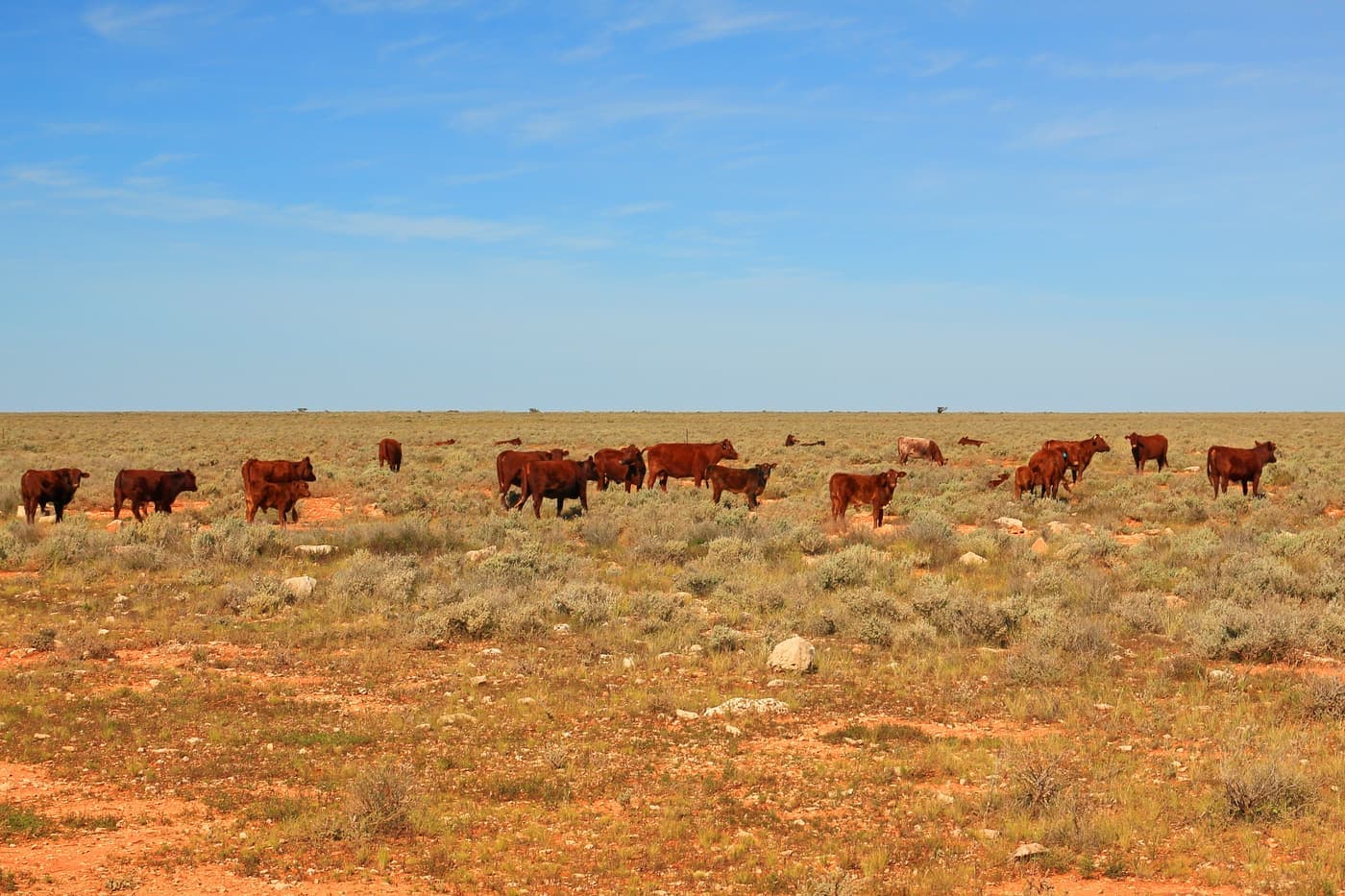
The Northern Territory is one of Australia's largest mango-growing regions, and the rural area around Darwin also grows Asian vegetables, melons, tropical fruit and nursery plants. The Top End is cattle country too, with the Port of Darwin a hub for live cattle exports to South-East Asia. Study tropical horticulture, crop production and beef cattle management online from Darwin.
Key Crops & Specialities
mangoes
Asian vegetables
melons
bananas & tropical fruit
nursery plants
beef cattle
Seasonal Calendar
January
- •Wet season peak
- •High humidity
- •Disease pressure high
February
- •Wet season height
- •Cyclone risk
- •Drainage critical
March
- •Transition month
- •Late wet rains
- •Prepare for dry
April
- •End of wet
- •Planting window opening
- •Fungal pressure reduces
May
- •Dry season begins
- •Ideal growing conditions
- •Establish spring crops
June
- •Dry season peak
- •Optimal productivity
- •Mango flowering
July
- •Continued dry
- •Establishment season
- •Pest pressure building
August
- •Late dry season
- •Heat building
- •Spring crop maturing
September
- •Pre-wet season
- •Last planting window
- •Monitor humidity
October
- •Wet season approaching
- •Cyclone season begins
- •Wind risk
November
- •Monsoon onset
- •Tropical rain arrives
- •Disease watch
December
- •Full wet season
- •Tropical production
- •Humidity extreme
Planting, harvest and management activities vary by month. Your courses will include region-specific timing guidance so you can make decisions aligned with your local growing season.
Regional Industry Snapshot
Top End horticulture centres on the Darwin rural area and Katherine. Mangoes are the standout crop, and an early season lets Territory fruit reach southern markets first. Asian vegetables, melons and tropical fruit are also grown, while the pastoral industry runs beef cattle across the Territory, with live export through the Port of Darwin. Water availability and the extreme wet–dry cycle shape every farming decision.
Climate & Growing Conditions
Darwin Climate Profile
Tropical savanna with distinct wet and dry seasons. Darwin averages roughly 1,700 mm of rain a year, almost all of it in the wet season (about November to April), when cyclones are possible. The dry season (about May to September) brings clear skies, low humidity and days around 30–32 °C, and is the main vegetable-growing season. It is warm all year, with no frost.
Why This Matters for Your Farm
- •Frost dates determine your planting and harvest windows
- •Rainfall patterns guide irrigation and water management decisions
- •Humidity and temperature drive pest and disease management strategies
- •Market timing aligns your harvest with demand and premium prices
Recommended Courses for Darwin
Certificate in Horticulture
Plant science, cultivation and garden management for gardeners and horticulturists.
Agriculture Certificate in Crop and Soil Management
Comprehensive training in soil science, crop selection, cultivation and sustainable production.
Advanced Certificate in Beef Cattle Farming
Specialized beef cattle production including breeding, nutrition and market preparation.
Certificate in Beef Cattle and Farm Management
Practical beef production and property management for cattle farmers.
Certificate in Animal Health
Livestock health, disease prevention and animal welfare practices.
Certificate in Sustainable Farm Management
Sustainable and regenerative farming practices for productive, healthy properties.
Studying from Darwin: common questions
Can I study agriculture or horticulture online in Darwin?
Yes. Every ASAH course is studied 100% online, so you can enrol from anywhere in Darwin or regional NT. You get tutor support 6 days a week (Mon–Sat 8am–5pm AEST) and 12 months to finish.
Which courses suit Darwin's farming and growing conditions?
Popular choices for Darwin include the Certificate in Horticulture, the Agriculture Certificate in Crop and Soil Management, the Advanced Certificate in Beef Cattle Farming, the Certificate in Beef Cattle and Farm Management. A course consultant can help you add modules that match your property or business.
What is the growing climate like in Darwin?
Tropical savanna with distinct wet and dry seasons. Darwin averages roughly 1,700 mm of rain a year, almost all of it in the wet season (about November to April), when cyclones are possible. The dry season (about May to September) brings clear skies, low humidity and days around 30–32 °C, and is the main vegetable-growing season. It is warm all year, with no frost.
More answers on our FAQs page.
Study from Darwin, supported all the way
Talk to a course consultant about your property, business or career plans in Darwin, and build a course with the add-on modules that fit.
Speak to a Course Consultant