
Agriculture & Horticulture Courses in Melbourne
Cool-climate horticulture, dairy and food bowls
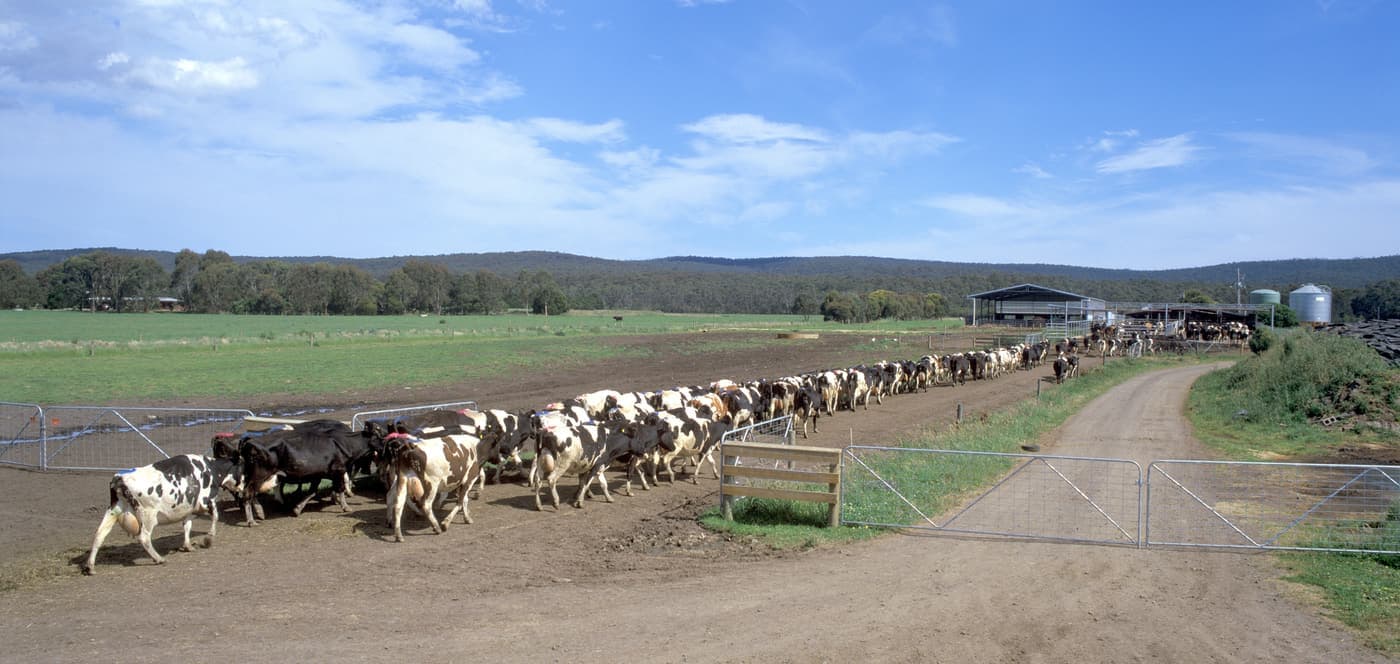
Melbourne sits within reach of some of Victoria's most productive food regions: the Werribee South and Cranbourne vegetable districts, the Yarra Valley and Mornington Peninsula, and Gippsland's dairy country. Learn cool-climate horticulture, dairy and livestock management, and floristry online from anywhere in Melbourne.
Key Crops & Specialities
brassicas & leafy greens
berries
apples, pears & stone fruit
cool-climate wine grapes
dairy
cut flowers & nursery
Seasonal Calendar
January
- •Summer berry harvest
- •Thin stone fruit
- •Irrigation critical
February
- •Late summer harvest
- •Prepare fall crops
- •Prune berry canes
March
- •Autumn crop planting
- •Stone fruit maturing
- •Reduce watering
April
- •Autumn harvest
- •Pasture sowing
- •Soil preparation
May
- •Dormancy period
- •Pruning and training
- •Winter crop maintenance
June
- •Deep winter
- •Bare-root planting season
- •Maintenance work
July
- •Late dormancy
- •Spring plantings begin
- •Frost protection
August
- •Rapid bud break
- •Spring planting peak
- •Pest emergence
September
- •Spring establishment
- •Blossom period
- •Frost watch
October
- •Post-blossom thinning
- •Pest and disease monitoring
- •Watering begins
November
- •Early fruit production
- •Mulching and management
- •Summer preparation
December
- •Early summer growth
- •Fruit swelling phase
- •Irrigation schedule
Planting, harvest and management activities vary by month. Your courses will include region-specific timing guidance so you can make decisions aligned with your local growing season.
Regional Industry Snapshot
Victoria is one of Australia's largest food and fibre exporting states. Around Melbourne, Werribee South and the Casey–Cardinia area are major vegetable districts, the Yarra Valley and Mornington Peninsula are known for cool-climate wine, berries and orchards, and Gippsland to the east is one of the country's key dairy regions. Melbourne's restaurants, florists and landscapers add steady demand for horticulture and floristry skills.
Climate & Growing Conditions
Melbourne Climate Profile
Temperate oceanic. Melbourne averages roughly 600–650 mm of rain a year, spread fairly evenly across the seasons. Summers are warm (mid-20s °C on average, with hot northerly days above 35 °C) and winters cool (around 14 °C by day). Frosts are common in outer and elevated areas from late autumn to early spring, and fast weather changes make wind and frost protection important.
Why This Matters for Your Farm
- •Frost dates determine your planting and harvest windows
- •Rainfall patterns guide irrigation and water management decisions
- •Humidity and temperature drive pest and disease management strategies
- •Market timing aligns your harvest with demand and premium prices
Recommended Courses for Melbourne
Certificate in Horticulture
Plant science, cultivation and garden management for gardeners and horticulturists.
Advanced Certificate in Horticulture
Advanced plant science, horticulture business and nursery management.
Certificate in Dairy Cattle Farming
Dairy cattle production, herd management and milk production systems.
Certificate in Pasture and Feed Management
Pasture systems, feed production and nutrition for livestock.
Certificate in Landscape Design and Construction
Landscape design, construction techniques and garden project management.
Certificate in Wedding and Event Floristry
Wedding and event floral design, theme development and client management.
Studying from Melbourne: common questions
Can I study agriculture or horticulture online in Melbourne?
Yes. Every ASAH course is studied 100% online, so you can enrol from anywhere in Melbourne or regional VIC. You get tutor support 6 days a week (Mon–Sat 8am–5pm AEST) and 12 months to finish.
Which courses suit Melbourne's farming and growing conditions?
Popular choices for Melbourne include the Certificate in Horticulture, the Advanced Certificate in Horticulture, the Certificate in Dairy Cattle Farming, the Certificate in Pasture and Feed Management. A course consultant can help you add modules that match your property or business.
What is the growing climate like in Melbourne?
Temperate oceanic. Melbourne averages roughly 600–650 mm of rain a year, spread fairly evenly across the seasons. Summers are warm (mid-20s °C on average, with hot northerly days above 35 °C) and winters cool (around 14 °C by day). Frosts are common in outer and elevated areas from late autumn to early spring, and fast weather changes make wind and frost protection important.
More answers on our FAQs page.
Study from Melbourne, supported all the way
Talk to a course consultant about your property, business or career plans in Melbourne, and build a course with the add-on modules that fit.
Speak to a Course Consultant