
Conservation
Habitat Restoration on Your Property: Where to Start
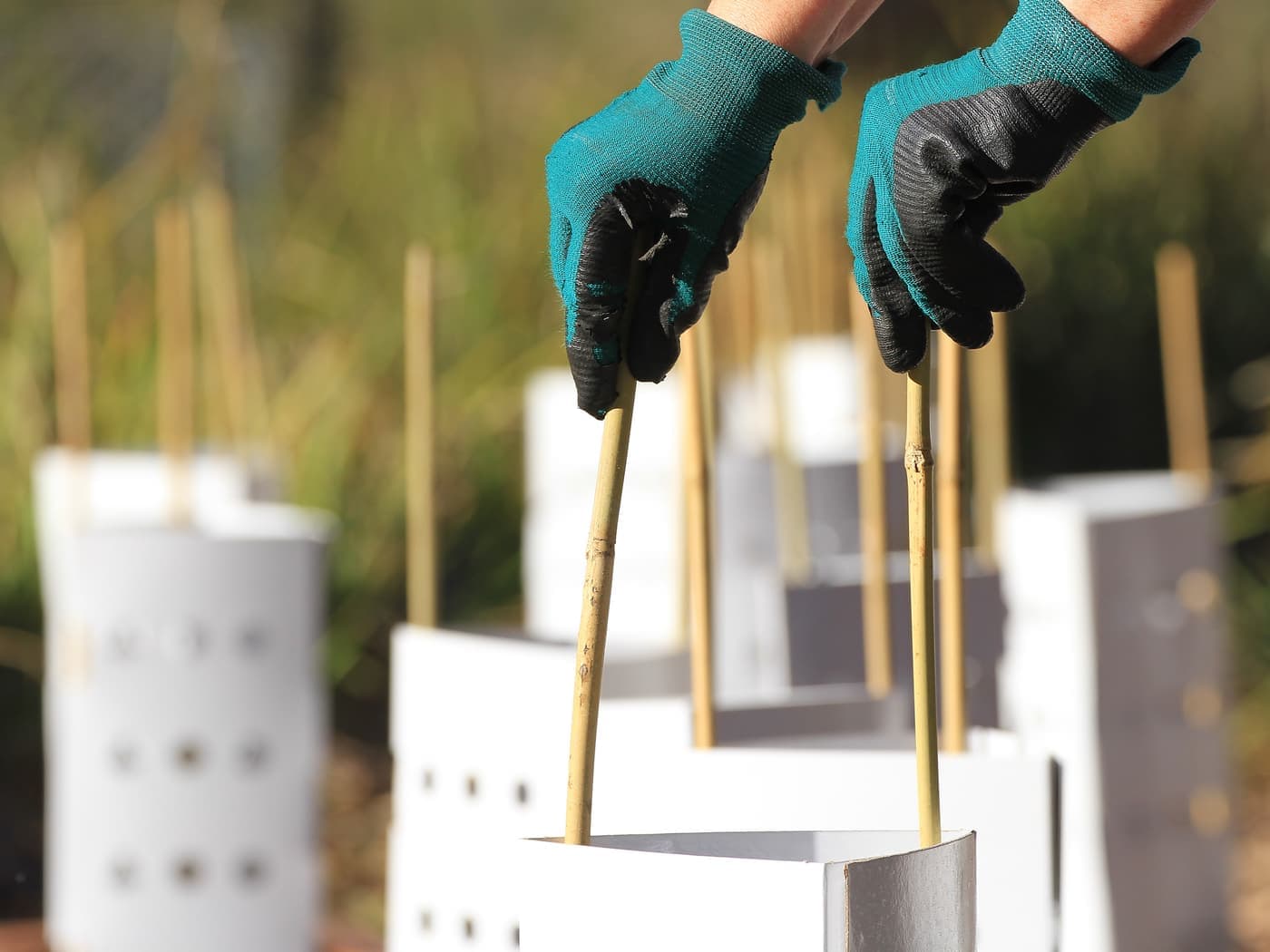
Habitat restoration is the process of returning degraded land to a healthier, more natural state, usually by protecting remaining native vegetation, controlling weeds and replanting local species. On farms and rural properties it can improve biodiversity, provide shade and shelter for stock, and reduce erosion. In this guide, the Australian School of Agriculture & Horticulture explains where to begin.
Start by assessing what you have
Walk the property and map what is already there: remnant trees and bushland, waterways, wet areas, weed infestations, erosion and areas stock use heavily. Existing native vegetation is the most valuable habitat you have, and protecting it is usually more effective than planting from scratch.
Protect, then restore
- Protect remnants first. Fencing out stock from bushland and waterways often lets natural regeneration take off on its own.
- Control weeds before planting. Weeds compete with seedlings, so plan control work a season ahead.
- Choose local species. Use plants grown from local provenance seed, because they are adapted to your soil and climate.
- Plant at the right time. In much of southern Australia that is autumn to winter, when soils are moist. Northern and tropical regions follow the wet season.
- Protect seedlings with tree guards and stakes to reduce browsing and wind damage.
Think about connectivity
Wildlife needs to move between patches of habitat. Linking remnant areas with planted corridors along creeks, fence lines or gullies can make a much bigger difference than isolated plantings. Including a mix of groundcovers, shrubs and trees creates layered habitat for a wider range of species.
Where can landholders get help?
Local Landcare groups, catchment management bodies and local councils often provide advice, local plant lists and sometimes funding or materials for restoration projects. Neighbours working on adjoining land can also help connect habitat across property boundaries.
How do you measure success?
Take photos from the same points each year, record survival rates of plantings and note the birds and other wildlife you see. Restoration is a long-term project, and good records help you see progress and adjust your approach.
Ecological assessment, revegetation planning and habitat management are the focus of our Certificate in Habitat Restoration.
Want to go further?
Study online at your own pace with tutor support 6 days a week. A course consultant can help you choose the right certificate and add-on modules.
Speak to a Course Consultant