
Livestock & Pasture
Rotational Grazing Explained: A Practical Guide for Graziers
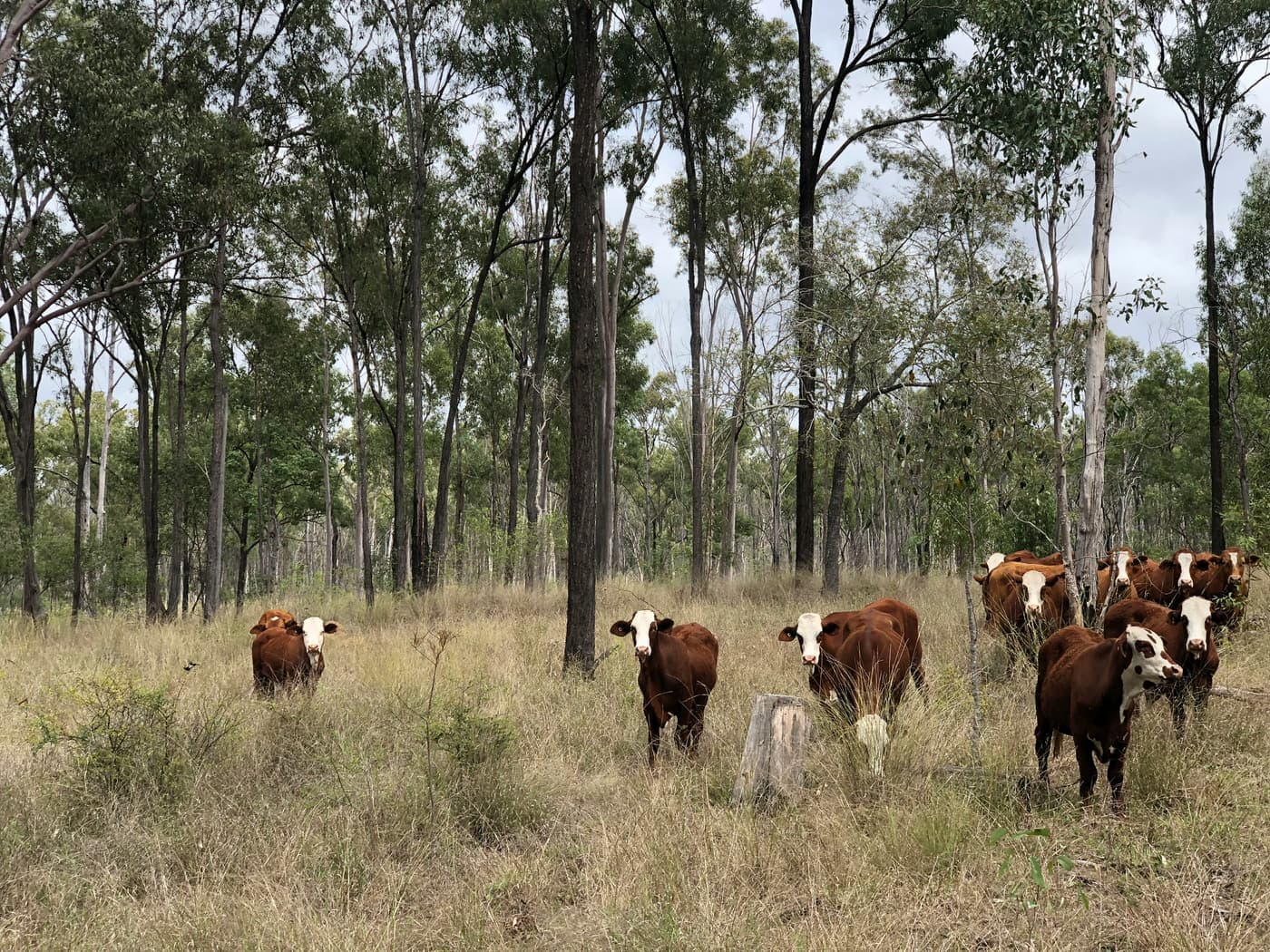
Rotational grazing is a grazing system where livestock are moved through a series of paddocks, so each area is grazed for a short period and then rested while the pasture regrows. In this guide, the Australian School of Agriculture & Horticulture explains how rotational grazing works and what to consider before you start.
How is rotational grazing different from set stocking?
Under set stocking (continuous grazing), animals stay in the same paddock for long periods. They tend to graze their favourite plants repeatedly, while less palatable areas are left to rank growth. Rotational grazing concentrates stock on a smaller area for a short time, then gives the pasture a rest. That rest period is the key: it lets plants rebuild leaf area and root reserves before they are grazed again.
What are the benefits of rotational grazing?
- More even utilisation of pasture, with less selective grazing
- Healthier, more persistent pasture plants because they get time to recover
- Better ground cover, which helps protect soil from erosion
- More control over feed allocation, making feed budgeting easier
- Regular stock moves, which give you a natural opportunity to check animal health
How long should paddocks be rested?
There is no single number. The right rest period depends on how fast the pasture is growing, which changes with season, rainfall, temperature and pasture species. A rule of thumb many graziers use for perennial ryegrass is to graze when plants reach about the two-and-a-half to three-leaf stage. In slow-growth periods, rotations need to be longer, so moving stock on a fixed calendar can lead to overgrazing.
How to get started with rotational grazing
- Map your paddocks and water points. Every cell needs reliable water, and this is often the biggest infrastructure consideration.
- Start with what you have. Subdividing a few large paddocks with temporary electric fencing is a low-cost way to trial the system.
- Learn to assess pasture. Judge feed on offer and plant recovery by eye, then compare with pasture measurements as your skills grow.
- Set a target residual. Move stock on before pasture is grazed too short, so plants can regrow quickly.
- Keep records of grazing dates, stock numbers and rest periods so you can refine the rotation over time.
Is rotational grazing right for every farm?
Rotational grazing needs more labour and planning than set stocking, and the benefits depend on how well it is managed. Many producers use a flexible approach, rotating during the growing season and adjusting when feed is short. The best system is one that suits your pasture, stock, water and time.
Pasture assessment, feed budgeting and livestock nutrition are covered in depth in our Certificate in Pasture and Feed Management.
Want to go further?
Study online at your own pace with tutor support 6 days a week. A course consultant can help you choose the right certificate and add-on modules.
Speak to a Course Consultant