
Animal Health
Signs of a Healthy Cow: A Daily Cattle Health Checklist
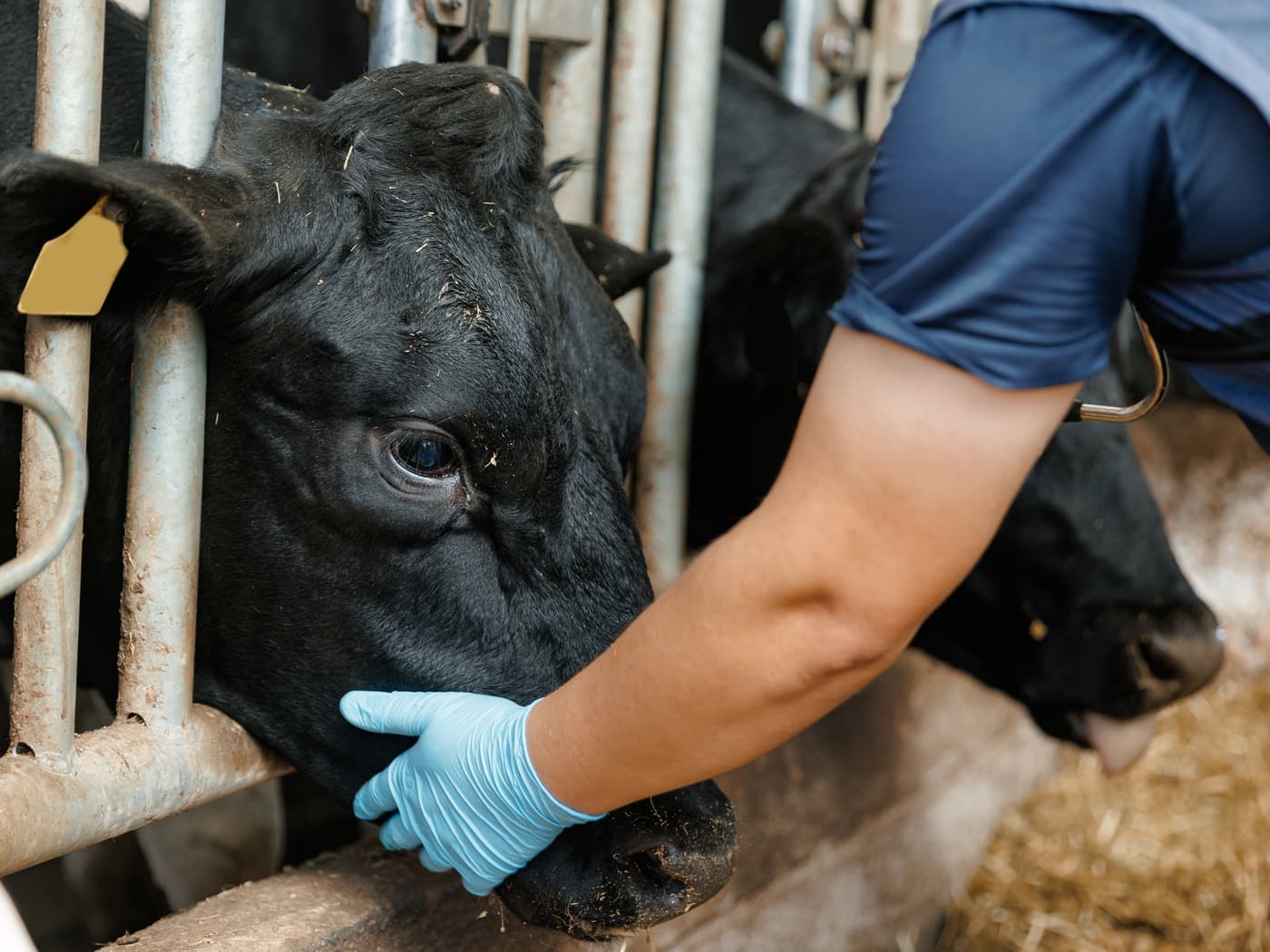
The best way to protect herd health is to know what a healthy animal looks like, so you notice quickly when something changes. In this guide, the Australian School of Agriculture & Horticulture sets out the everyday signs of healthy cattle and the warning signs that need attention. It is general information only, so always seek advice from your vet about sick animals.
What does a healthy cow look like?
- Alert and interested in its surroundings, with ears moving and eyes bright
- Moving freely with the herd and keeping up when stock are moved
- Grazing well and drinking normally
- Ruminating (chewing its cud) regularly while resting
- Breathing steadily and quietly at rest
- A clean coat, clear eyes and no discharge from the nose
- Manure of a normal, consistent texture for the feed
- Body condition appropriate for its age, breed and stage of production
What warning signs should you look for?
- Standing apart from the herd or lagging behind
- Head down, dull, or reluctant to move
- Not eating or not chewing its cud
- Lameness, swelling or difficulty getting up
- Laboured, rapid or noisy breathing
- Scouring (diarrhoea), or no manure at all
- Discharge from the eyes or nose, or excessive drooling
- A bloated left side, or signs of pain such as kicking at the belly
How to run a daily health check
- Observe from a distance first, before the herd reacts to you.
- Count the mob and look for any animal standing apart.
- Watch them move, checking gait and how freely each animal walks.
- Check water points and feed, including troughs, dams and supplements.
- Note anything unusual, with the animal’s tag number, so you can track changes over time.
When should you call the vet?
Call your vet promptly if an animal is down and can’t get up, is struggling to breathe, is bloated, is having difficulty calving, or if several animals show similar signs at the same time. Early treatment generally gives the best outcome, and your vet can help you build a herd health plan covering vaccination, parasite control and biosecurity.
Disease recognition, prevention and animal welfare are covered in our Certificate in Animal Health, designed for farmers and farm workers who manage stock day to day.
Want to go further?
Study online at your own pace with tutor support 6 days a week. A course consultant can help you choose the right certificate and add-on modules.
Speak to a Course Consultant