
Agriculture & Crop Science Courses
Advanced Certificate in Agribusiness (Online)
Grow it, run it, sell it: the business side of farming.
Learn how field crops are grown, how a farm business is planned and financed, and how produce is marketed to buyers, all online and at your own pace, with tutor support whenever you need it.
- 100% online
- 3 core modules
- approx. 300 study hours
- 12 months' access
- Tutor support 6 days a week
- Certificate + transcript
What is the Advanced Certificate in Agribusiness?
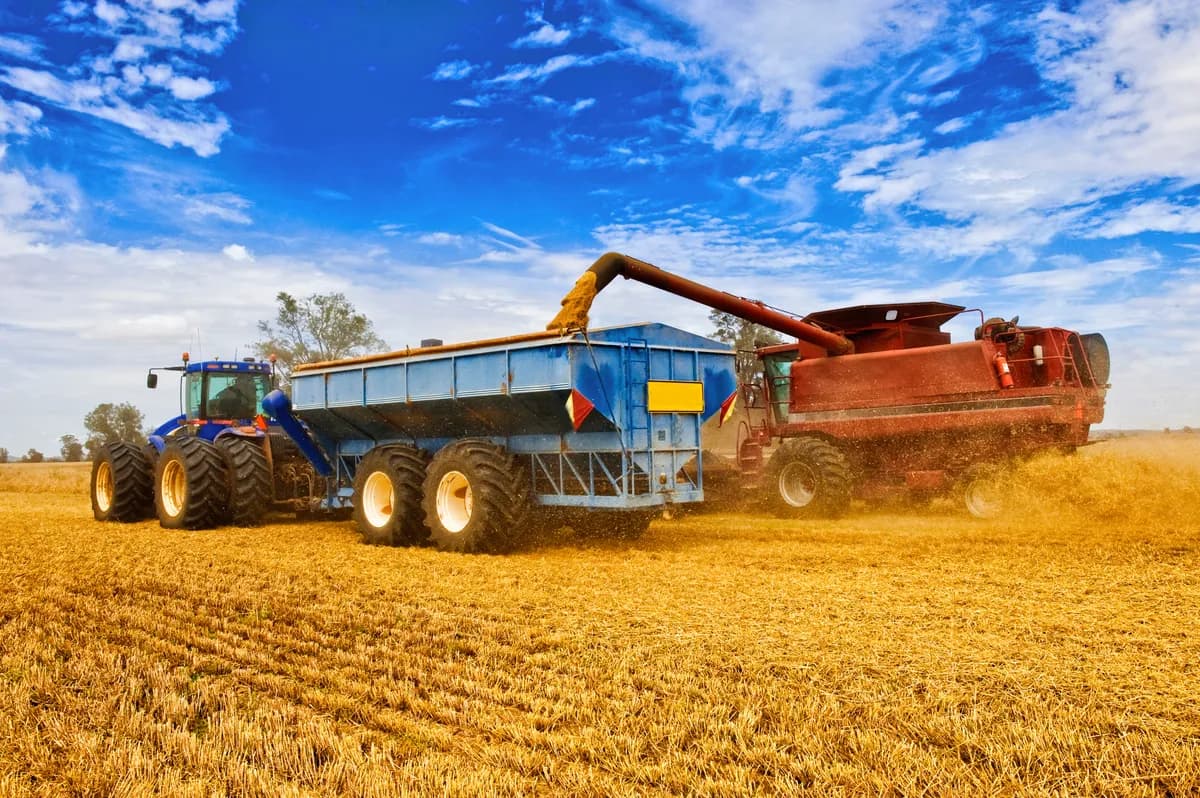
The Advanced Certificate in Agribusiness is a self-paced online course in the business of agriculture, from paddock to buyer. Across three modules (Agronomy I, Farm Management and Agricultural Marketing) you'll learn how field crops are grown and harvested, how to plan and finance a farm enterprise, and how to market produce. It suits growers, farm staff and people moving into agribusiness roles.
Course overview
Follow the crop from paddock to buyer
Who decides what a crop is worth: the grower, the buyer or the market? In agribusiness the answer is all three. This course links the agronomy of growing a crop with the business planning that funds it and the marketing that sells it, so you see the whole value chain, not one link.
- Know the product – Learn how cereal and broadleaf crops are sown, managed and harvested, and what drives yield, quality and seed performance.
- Run the numbers – Build budgets, cash flow forecasts and a whole-farm plan, and understand lenders, leases, contracts and business structures.
- Find the right market – Segment markets, research buyers and set marketing objectives and strategies that fit the enterprise.
- Protect value after harvest – Handle produce so it reaches the buyer in good condition, and build customer relationships that outlast a single season.
Want to understand agriculture as a business, not just a set of jobs? Your agribusiness course starts the day you enrol.
Who this course is for
- Growers and family-farm successors who want to plan, cost and sell the crop with more confidence.
- Farm staff moving toward management, where budgets, contracts and buyers become part of the job.
- Career changers aiming at input sales, rural merchandise, supply planning or procurement roles in the agribusiness sector.
- People in rural businesses such as banking, logistics or rural real estate who want to understand how farm clients plan.
What you'll study
You'll start with a short Student Induction module that sets you up on the learning platform and introduces your tutor. Then you'll work through three core modules.
Module 1: Agronomy I (approx. 100 hours)
The product side of agribusiness. You'll learn how field crops grow and what growers can change, so you can speak the grower's language.
- Introduction to Agronomic Practices – the scope of agronomy and the main farming systems.
- Culture: What Influences Crop Growth – the environmental and management factors that drive yield.
- Crop Husbandry Practices – cultivation, sowing, crop nutrition and crop protection.
- Seed and Seed Management – seed quality, selection, storage and handling.
- Arable Cereal Crops – how the major grain crops are grown and managed.
- Arable Broadleaf Crops – pulses, oilseeds and other non-cereal field crops.
- Harvesting – harvest timing, methods and post-harvest handling.
- Crop Management: Special Project – an applied project that brings the module together.
Module 2: Farm Management (approx. 100 hours)
Here the farm becomes a business you can plan, fund and measure, from finance, staffing and risk through to diversification.
- Farm Planning – SMART goals, action plans, and planning and zoning rules.
- Business Planning – whole-farm and property management plans, and planning stock and resources.
- Financial Management – records, lenders, leases and contracts, budgets and forecasts.
- Human Resource Management (HR) – recruiting, inducting and supervising farm staff.
- Operational Management – supply chains, scheduling, weather and risk.
- Farm Business Structure – business types, family farms, succession, ABN and GST.
- OH&S – duty of care, PPE, chemicals, machinery and safety audits.
- Land Management – buildings, animal shelters, native vegetation and tree regeneration.
- Water Management – water sources, storage, irrigation, salinity and drought.
- Soil Erosion – erosion types, acidification, and contour and strip cropping.
- Farming Practices – grazing, lot-feeding and cropping systems, energy and waste.
- Future Success – diversification and measuring how the business is tracking.
Module 3: Agricultural Marketing (approx. 100 hours)
The last link in the chain. You'll learn how produce is positioned, handled and sold, and how to manage marketing as an ongoing part of the business.
- Agricultural Marketing Concepts – what marketing means for farm products.
- Farm Marketing Objectives and Strategies – setting goals and choosing the strategies to reach them.
- Target Marketing – segmenting markets and choosing which ones to serve.
- Handling Produce – getting produce to the buyer in good condition.
- Customer Relations – building and keeping relationships with buyers.
- Market Research – gathering and using market information.
- Promotions – advertising and promotional tools for agricultural products.
- Managing Marketing – planning, running and reviewing the marketing function.
How you'll learn and be assessed
- Online, in your own time – study materials, quizzes and assignments are on the learning platform 24/7, on any device.
- Quizzes and written assignments – a short online quiz after each unit, plus written assignments marked by your tutor with personalised feedback.
- A crop project and a farm plan – the Agronomy I special project, plus Farm Management assignments that build to establishing a working farm.
- Competency-based – if an assignment isn't quite there yet, your tutor explains what to improve and you resubmit. No exams to sit in a centre.
Tailor your course with add-on modules
Make the course fit your farm or the part of the industry you're heading for. Any certificate can be tailored with add-on modules from our catalogue, so you can pick up extra skills that match your property, business or career plans.
Pasture Management
Grow more feed from the same paddocks: pasture plants and species selection, soil and water, pests and weeds, machinery, establishing new pasture and managing grazing. Useful if your own farm, or the growers you'll work with, run pasture phases or livestock alongside crops.
Sustainable Agriculture
Farm so the land and the business both last: soils, water, land care, financial sustainability and sustainable plant and animal enterprises. Adds the long-term view to your planning, and helps you answer buyers who ask how produce was grown.
Organic Farming
Organic production that works with natural systems: soil fertility, non-chemical weed, pest and disease control, organic livestock, pasture and crops. Worth adding if you're weighing up an organic product line and want to know what changes on the farm.
Ask a course consultant about adding modules when you enrol.
Career pathways and earning potential
Agribusiness covers everyone who supplies, finances, moves or buys from farms, as well as the farms themselves. Roles graduates often explore include:
- Agribusiness or rural merchandise sales representative – selling seed, fertiliser, crop-protection products or machinery and advising growers on what to use. Sales representatives (all industries) median $1,692/week full-time, Jobs and Skills Australia.
- Crop farm worker or farm overseer – running sowing, spraying and harvest on a cropping property, and stepping up to supervise as experience grows. Farmhand median $71,210 (advertised salaries), SEEK.
- Supply or procurement officer – organising inputs, logistics or produce purchasing for an agribusiness, processor or grower group.
Figures are advertised salaries (SEEK, Jora) or median full-time earnings (Jobs and Skills Australia), accessed October 2026. Pay varies with experience, location and employer. Figures are a guide only.
Course details
- Study mode
- 100% online, self-paced
- Core modules
- 3 (plus Student Induction)
- Study time
- approx. 300 hours at your own pace (most students finish in 15–20 weeks)
- Access
- 12 months
- Support
- tutor support 6 days a week
- You'll receive
- Certificate of Completion, Certificate of Attainment and transcript
- Payment
- upfront or interest-free payment plan
Download your Advanced Certificate in Agribusiness brochure
See every unit, how assessment works and your payment options in one place.
Frequently asked questions
Agribusiness is the business side of agriculture: everything involved in producing, financing, supplying, moving and selling farm products. It takes in input suppliers (seed, fertiliser, chemicals, machinery and animal health products), farms, processors, logistics, traders and retailers. This course focuses on the farm-level business and how its produce reaches buyers, with enough agronomy to understand the product itself.
More questions? See our full FAQs or speak to a course consultant.
Related courses
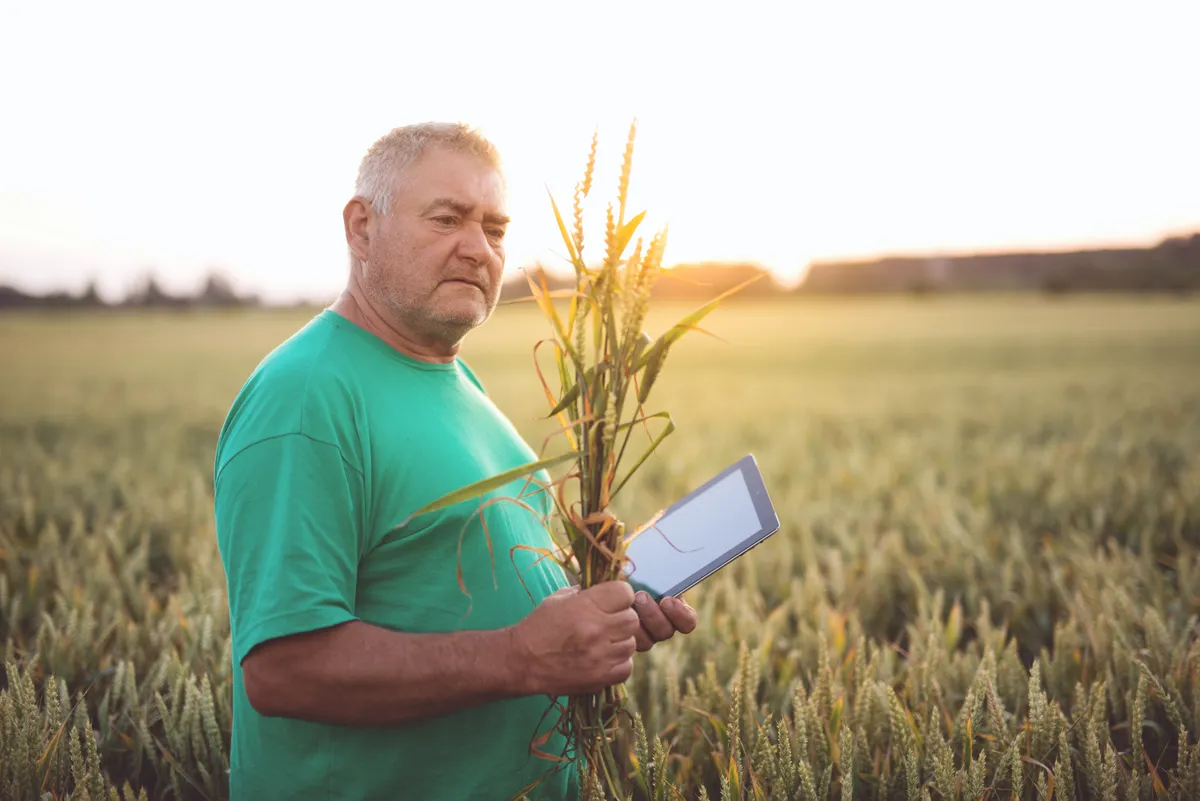
Advanced Certificate in Agronomy
Agriculture & Crop Science
Swaps marketing for Soil Management if you want more technical crop and soil depth.
Advanced Certificate · 3 core modules · approx. 300 hours
View course
Advanced Certificate in Agriculture
Agriculture & Crop Science
The same business and marketing core, built around Animal Health for livestock enterprises.
Advanced Certificate · 3 core modules · approx. 300 hours
View courseCertificate in Horticulture Business
Horticulture & Landscaping
If the business you have in mind is a nursery, market garden or other horticulture enterprise.
Certificate · 2 core modules · approx. 200 hours
View courseReady to see farming as a business?
Talk to a course consultant about the Advanced Certificate in Agribusiness and where it could take your career.