
Horticulture & Landscaping Courses
Certificate in Nature Park Management (Online)
Manage reserves, bushland and parks as working landscapes.
Learn to look after natural areas the way land managers do: soils, weeds, trees and indigenous plants, trails and visitor areas, and repairing degraded land, all online and at your own pace with tutor support.
- 100% online
- 2 core modules
- approx. 200 study hours
- 12 months' access
- Tutor support 6 days a week
- Certificate + transcript
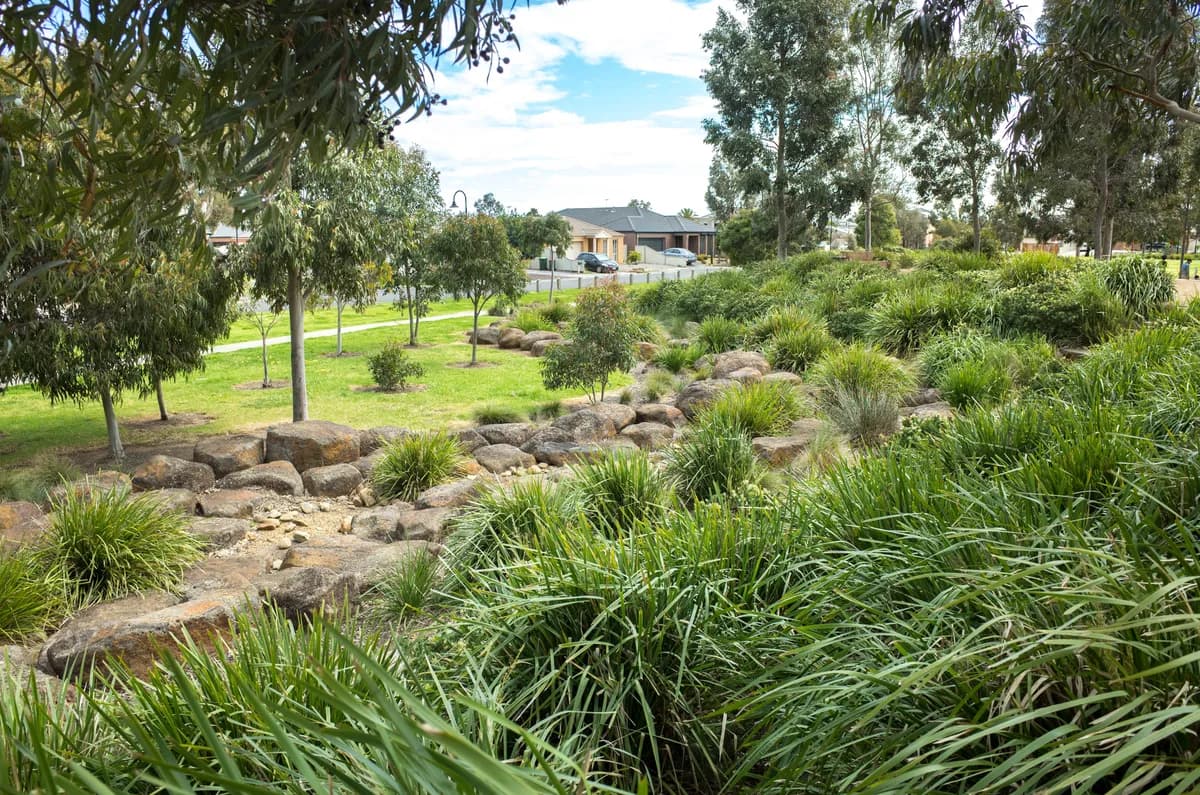
What is the Certificate in Nature Park Management?
The Certificate in Nature Park Management is a self-paced online land management course for anyone responsible for natural areas. Across two modules (Nature Park Management I and II) you'll learn ecology, soil and weed management, indigenous plants, rehabilitating degraded land, trail design, water areas, visitor facilities and risk. It suits council and park staff, landholders and eco-tourism operators.
Course overview
Look after natural land so it stays healthy and usable
Got a patch of remnant bush, a creek line, a council reserve or a caravan park that's half native scrub and half weeds? Managing natural land well means understanding how the ecosystem works, what's threatening it and how people can use it without wearing it out. This course teaches that, from soils and weeds through to trails and visitor safety.
- Read the landscape – Apply basic ecology to understand how a reserve, bushland block or park works as a system.
- Repair and maintain it – Manage soils, weeds, pests and diseases, trees and turf, grow indigenous plants and rehabilitate degraded sites.
- Design for people and nature – Plan park layouts, visitor amenities, interpretation, trails and water areas such as ponds and watercourses.
- Manage the risks – Identify hazards, control risks to visitors, staff and the environment, and promote the park and its programs.
Ready to manage natural land with a plan? Your park management course starts the day you enrol.
Who this course is for
- Council, parks and reserve staff who want a structured grounding in managing natural areas.
- Farmers and landholders with remnant bush, creek lines or degraded paddocks they want to protect or restore.
- Caravan park, campground and eco-tourism operators looking after natural areas, trails and visitor spaces on their property.
- Landcare and community group volunteers taking on more responsibility for planning and running site works.
What you'll study
You'll start with a short Student Induction module that sets you up on the learning platform and introduces your tutor. Then you'll work through two core modules, 22 lessons in all.
Module 1: Nature Park Management I (approx. 100 hours)
The land side of park management. You'll learn how natural areas work and how to care for their soils, plants, trees and turf, control weeds and pests, and rehabilitate degraded land.
- Introduction to Nature Park Management – the scope and purpose of managing parks and reserves.
- Basic Ecology – ecosystems, communities and ecological processes.
- Soil Management in Nature Parks – soil care, erosion and improvement on park land.
- Plant Maintenance – looking after park vegetation.
- Design of Nature Parks 1 – park layout and design principles.
- Design of Nature Parks 2 – developing a detailed park design.
- Weed Management – identifying and controlling weeds in natural areas.
- Pests and Disease Management – managing plant and animal pests and diseases in parks.
- Culture of Indigenous Plants – growing and establishing native plants.
- Tree Management – caring for and managing trees.
- Turf Care – managing grassed areas.
- Rehabilitation: Problems and Solutions – restoring damaged or degraded sites.
Module 2: Nature Park Management II (approx. 100 hours)
The operations side. You'll plan for recreation and visitors, design and build trails, manage water areas, interpret and market the park, and manage risk.
- Natural Environments – the types of natural environments and what makes them valuable.
- Recreation in Nature Parks – balancing recreational use with conservation.
- Wildlife Management – managing wildlife populations and habitat at the park level.
- Visitor Amenities in Nature Parks – planning visitor facilities such as picnic grounds.
- Park Interpretation – communicating a park's values to visitors.
- Trail Design and Construction – planning and building nature trails and pathways.
- Water Areas – managing and constructing ponds, wetlands and watercourses.
- Marketing in Nature Parks – promoting a park and its programs.
- Risk Management I – identifying hazards and risks.
- Risk Management II – controlling risks to visitors, staff and the environment.
How you'll learn and be assessed
- Online, in your own time – study materials and assignments are on the learning platform 24/7, on any device.
- A written assignment for every lesson – 22 assignments across the two modules, each marked by your tutor with personalised feedback. Some include short checkpoint tasks.
- Applied to real land – assignments on soils, weed management, rehabilitation, visitor amenities and trail design can be applied to a reserve, park or property you know.
- Competency-based – if an assignment isn't quite there yet, your tutor tells you what to improve and you resubmit. There are no exams to sit in a centre.
Tailor your course with add-on modules
Make the course fit the land you manage. Any certificate can be tailored with add-on modules from our catalogue, so you can add habitat, wildlife or soil skills to your park management studies.
Wildlife Sustainability & Conservation
Conservation planning for real landscapes: farm planning for wildlife, habitat management and corridors, flora and fauna surveys, threats from development, and rehabilitation programs. Useful if your reserve or property is part of a wider habitat or revegetation plan.
Australian Native Wildlife
Know the native wildlife on your land: Australia's mammals, birds, reptiles, amphibians and marine species, the threats they face, and when and how to call in a rescue. Helps you recognise what lives on the land you manage, understand its habitat value, and know when to call a wildlife rescuer rather than step in yourself.
Wildlife Management
Manage wildlife populations and habitat: wildlife ecology, carrying capacity, pest animal management, population censuses, management techniques, and wildlife law. Practical for land managers dealing with pest animals or too many grazing animals on a reserve or property.
Soil Management
Get to know your soil: classification, properties and plant nutrition, soil testing, degradation problems like erosion and salinity, and practical soil management, finishing with your own soil investigation. Builds on the soil unit in Nature Park Management I, which is valuable for revegetation and erosion repair.
Ask a course consultant about adding modules when you enrol.
Career pathways and earning potential
Natural-area skills are used by councils, park agencies, bush regeneration contractors, tourism operators and private landholders. Roles graduates often explore include:
- Parks and reserves worker – maintaining council, state or private parks and reserves, from weeds and plantings to trails and visitor areas. Gardeners: median advertised salary $70,000 (SEEK).
- Bush regeneration or revegetation worker – controlling weeds, planting indigenous species and restoring degraded sites for councils, contractors or landcare programs. Average advertised salary $76,470 (Jora).
- Caravan park or eco-tourism grounds manager – looking after natural areas, trails and visitor facilities on a tourism property. Income depends on the business.
Figures are advertised salaries (SEEK, Jora) or median full-time earnings (Jobs and Skills Australia), accessed October 2026. Pay varies with experience, location and employer. Figures are a guide only.
Most park rangers work for government agencies; a formal qualification isn't strictly required, but experience and qualifications are highly regarded. This course is a practical grounding and a useful first step.
Course details
- Study mode
- 100% online, self-paced
- Core modules
- 2 (plus Student Induction)
- Study time
- approx. 200 hours at your own pace (most students finish in 10–15 weeks part-time)
- Access
- 12 months
- Support
- tutor support 6 days a week, by phone, email or video call
- You'll receive
- Certificate of Completion, Certificate of Attainment and transcript
- Payment
- upfront or interest-free payment plan
Download your Certificate in Nature Park Management brochure
See all 22 lessons, how assessment works and payment options in one place.
Frequently asked questions
No. You don't need land, a parks job or any prior study to enrol. Many students apply what they learn to a property they own or work on, but you can also base assignments on a local reserve, council park or bushland area you can visit. The course starts with the basics of park management and ecology.
More questions? See our full FAQs or speak to a course consultant.
Related courses

Horticulture Certificate in Wildlife & Nature Park Management
Conservation & Land Management
A broader course combining park management with wildlife and habitat management.
Horticulture Certificate · 4 core modules · approx. 400 hours
View course
Certificate in Wildlife Conservation & Management
Conservation & Land Management
For landholders and land managers focused on habitat conservation.
Certificate · 2 core modules · approx. 200 hours
View course
Certificate in Landscaping
Horticulture & Landscaping
Adds garden and park design, materials and construction skills.
Certificate · 2 core modules · approx. 200 hours
View courseReady to bring your bushland, reserve or park back to health?
Talk to a course consultant about the Certificate in Nature Park Management and the land you look after.