
Agriculture & Crop Science Courses
Agriculture Certificate in Crop & Soil Management (Online)
Manage crops, soil and pasture as one productive system.
Our most comprehensive cropping and grazing course. Learn how crops and pastures grow, how to test and manage the soil beneath them, and how to run the whole operation as a business, online and at your own pace.
- 100% online
- 4 core modules
- approx. 400 study hours
- 12 months' access
- Tutor support 6 days a week
- Certificate + transcript
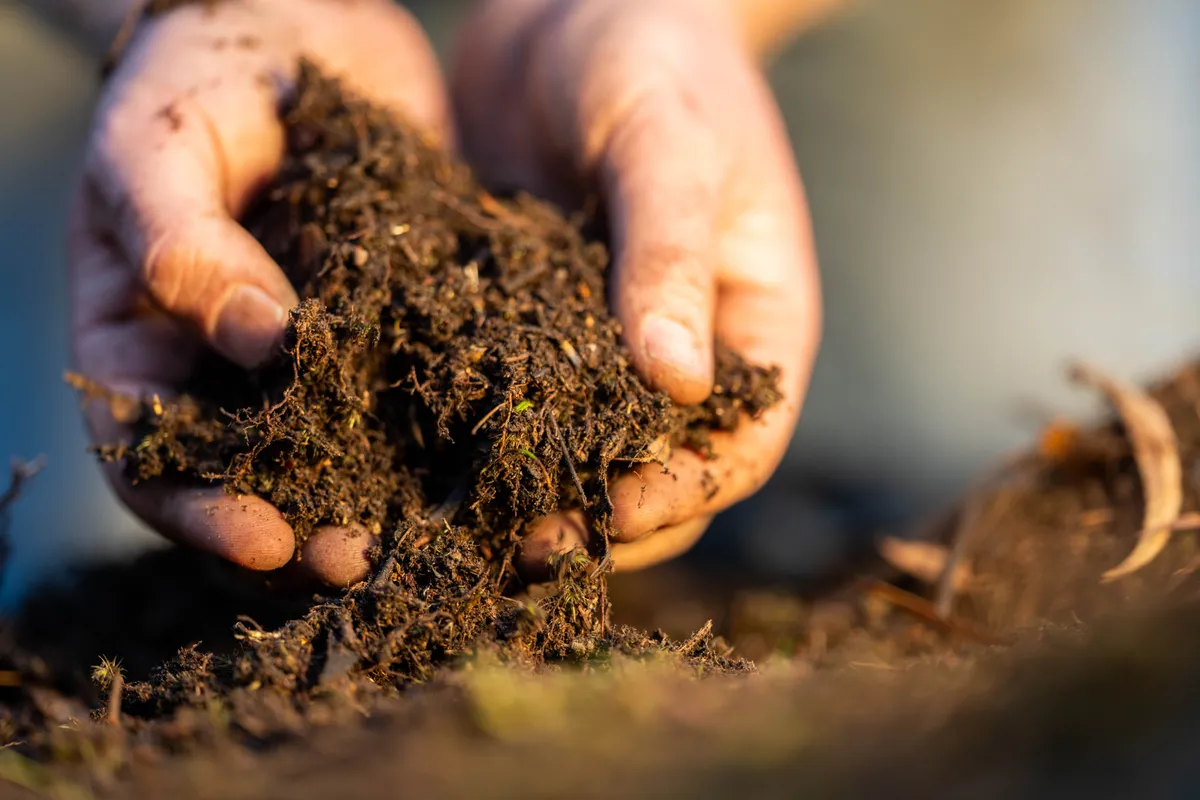
What is the Agriculture Certificate in Crop & Soil Management?
The Agriculture Certificate in Crop & Soil Management is a self-paced online course covering the whole cropping and grazing system. Across four modules (Agronomy I, Soil Management, Farm Management and Pasture Management) you'll learn crop husbandry, soil testing and fertility, pasture establishment and grazing, and farm business planning. It suits growers, mixed farmers and people heading for field or farm management roles.
Course overview
One system, from the soil up to the crop and the grazing
If your paddocks move between crop and pasture, can you really manage either in isolation? This course treats soil, crop, pasture and business as one connected system. With four core modules, it's the most complete course in our agriculture range.
- Grow better crops – Cereal and broadleaf husbandry from seed selection and sowing to harvest, finishing with a crop management project.
- Test and fix your soil – Sampling and testing, and managing erosion, salinity, acidity and compaction.
- Grow more feed – Choose pasture species for the site, establish new pasture, renovate existing pasture and manage grazing.
- Make the system pay – Whole-farm planning, budgets and cash flow, staff and WHS.
Want the full picture rather than one piece of it? Speak to a course consultant about getting started.
Who this course is for
- Mixed farmers running cropping and grazing on the same country who want one framework for managing both.
- Farm hands and station workers aiming for an overseer or manager role on a cropping or mixed property.
- Career changers working toward field officer, crop monitoring or agronomy support roles who want real depth before further study.
- New landholders and tree-changers who've bought a block with paddocks and want to know what it can grow and carry.
What you'll study
You'll start with a short Student Induction module that sets you up on the learning platform and introduces your tutor. Then you'll work through four core modules.
Module 1: Agronomy I (approx. 100 hours)
The crop side of the system: field crops from seed to harvest, and what lifts yield and quality.
- Introduction to Agronomic Practices – the scope of agronomy and the main farming systems.
- Culture: What Influences Crop Growth – the environmental and management factors that drive yield.
- Crop Husbandry Practices – cultivation, sowing, crop nutrition and crop protection.
- Seed and Seed Management – seed quality, selection, storage and handling.
- Arable Cereal Crops – how the major grain crops are grown and managed.
- Arable Broadleaf Crops – pulses, oilseeds and other non-cereal field crops.
- Harvesting – harvest timing, methods and post-harvest handling.
- Crop Management: Special Project – an applied project that brings the module together.
Module 2: Soil Management (approx. 100 hours)
The foundation under everything else. You'll learn to test, interpret and improve soil for both crops and pasture.
- Introduction: Soils and Soil Classification – what soil is and how soils are classified.
- Properties of Soils and Plant Nutrition – the physical and chemical properties that supply nutrients to plants.
- Soil Testing Methods – sampling, testing and reading the results.
- Land Degradation and Other Soil Problems – erosion, salinity, acidity, compaction and how to recognise them.
- Soil Management on Farms – practical ways to maintain and improve soil condition.
- Crops: Soil and Nutrient Requirements (Part A) – the soil and nutrient needs of major crop groups.
- Crops: Soil and Nutrient Requirements (Part B) – continued coverage of further crop groups.
- PBL Soil Project: Soil Investigation and Report – a hands-on investigation of a real soil, written up as a report.
Module 3: Farm Management (approx. 100 hours)
This module ties the agronomy to the bank balance: planning, financing, staffing and running a cropping or mixed operation.
- Farm Planning – SMART goals, action plans, and planning and zoning rules.
- Business Planning – whole-farm and property management plans, and planning stock and resources.
- Financial Management – records, lenders, leases and contracts, budgets and forecasts.
- Human Resource Management (HR) – recruiting, inducting and supervising farm staff.
- Operational Management – supply chains, scheduling, weather and risk.
- Farm Business Structure – business types, family farms, succession, ABN and GST.
- OH&S – duty of care, PPE, chemicals, machinery and safety audits.
- Land Management – buildings, animal shelters, native vegetation and tree regeneration.
- Water Management – water sources, storage, irrigation, salinity and drought.
- Soil Erosion – erosion types, acidification, and contour and strip cropping.
- Farming Practices – grazing, lot-feeding and cropping systems, energy and waste.
- Future Success – diversification and measuring how the business is tracking.
Module 4: Pasture Management (approx. 100 hours)
The grazing side of the system: choosing, establishing and managing pasture so paddocks out of crop still earn their keep.
- Introduction to Pasture Management – why pasture matters, plus land management, location and site requirements.
- Pasture Anatomy – the structure of pasture plants.
- Pasture Selection – choosing grass and legume species to suit the site and purpose.
- Soil Management – soils and fertility for productive pasture.
- Water Management – water supply and use for pasture.
- Pest, Disease, and Weed Management – identifying and controlling threats to pasture.
- Machinery and Equipment – the equipment used to establish and maintain pasture.
- New Pasture and Growth Management – sowing new pasture and managing early growth.
- Existing Pasture Growth and Management – renovating existing pasture and managing grazing.
How you'll learn and be assessed
- Online, in your own time – study materials, quizzes and assignments are on the learning platform 24/7, on any device.
- Quizzes and written assignments – a short online quiz after each unit, and written assignments marked by your tutor with personalised feedback on every one.
- Applied projects across the system – a crop management project (Agronomy I), a soil investigation and report (Soil Management), pasture assignments on species selection, soil and water, and pest management, and a farm business task on establishing a working farm.
- Competency-based – if an assignment isn't quite there yet, your tutor tells you what to improve and you resubmit. No exams to sit in a centre.
Tailor your course with add-on modules
Shape the course further to your property or plans. Any certificate can be tailored with add-on modules from our catalogue, so you can pick up extra skills that match your property, business or career plans.
Sustainable Agriculture
Farm so the land and the business both last: soils, water, land care, financial sustainability and sustainable plant and animal enterprises. Takes your soil and pasture work further into whole-farm land care and long-term financial sustainability.
Organic Farming
Organic production that works with natural systems: soil fertility, non-chemical weed, pest and disease control, organic livestock, pasture and crops. For growers weighing up organic or lower-input cropping and pasture on some or all of the property.
Agricultural Marketing
Sell what you grow for a better return: marketing strategy, target markets, produce handling, customer relationships, market research and promotion. Completes the system by showing you how to sell the grain, hay or stock your paddocks produce.
Horticulture 3 – Health & Welfare of Plants
Diagnose and manage plant health: pests, diseases and weeds, natural and chemical controls, integrated pest management, environmental impacts and safe work practices. Deepens the crop-protection side of your studies with integrated pest management and the safe use of chemical controls.
Ask a course consultant about adding modules when you enrol.
Career pathways and earning potential
Combined crop, soil and pasture knowledge is useful on cropping and mixed farms, and in the advisory and supply businesses that work with them. Roles graduates often explore include:
- Crop or mixed farm worker – sowing, spraying, fencing, moving stock and harvesting on a property that runs both crops and pasture. Farmhand median $71,210 (advertised salaries), SEEK.
- Field officer or agronomy support – monitoring crops and pastures, taking soil samples and reporting problems to growers and agronomists. Agricultural technicians median $1,808/week full-time, Jobs and Skills Australia.
- Farm overseer or farm manager – planning paddock rotations, budgets and staff on a cropping or mixed property, usually after on-farm experience. Farm manager median $105,000; typical $95k–$115k (advertised salaries), SEEK.
Figures are advertised salaries (SEEK, Jora) or median full-time earnings (Jobs and Skills Australia), accessed October 2026. Pay varies with experience, location and employer. Figures are a guide only.
Course details
- Study mode
- 100% online, self-paced
- Core modules
- 4 (plus Student Induction)
- Study time
- approx. 400 hours at your own pace (most students finish in 20–30 weeks)
- Access
- 12 months
- Support
- tutor support 6 days a week
- You'll receive
- Certificate of Completion, Certificate of Attainment and transcript
- Payment
- upfront or interest-free payment plan
Download your Agriculture Certificate in Crop & Soil Management brochure
See all four modules, every unit, how assessment works and payment options in one place.
Frequently asked questions
No. You don't need your own property, a farm job or any prior study. For the soil investigation and other practical tasks you can use any site you can get access to, such as a family or neighbour's farm, a community garden or a large backyard.
More questions? See our full FAQs or speak to a course consultant.
Related courses
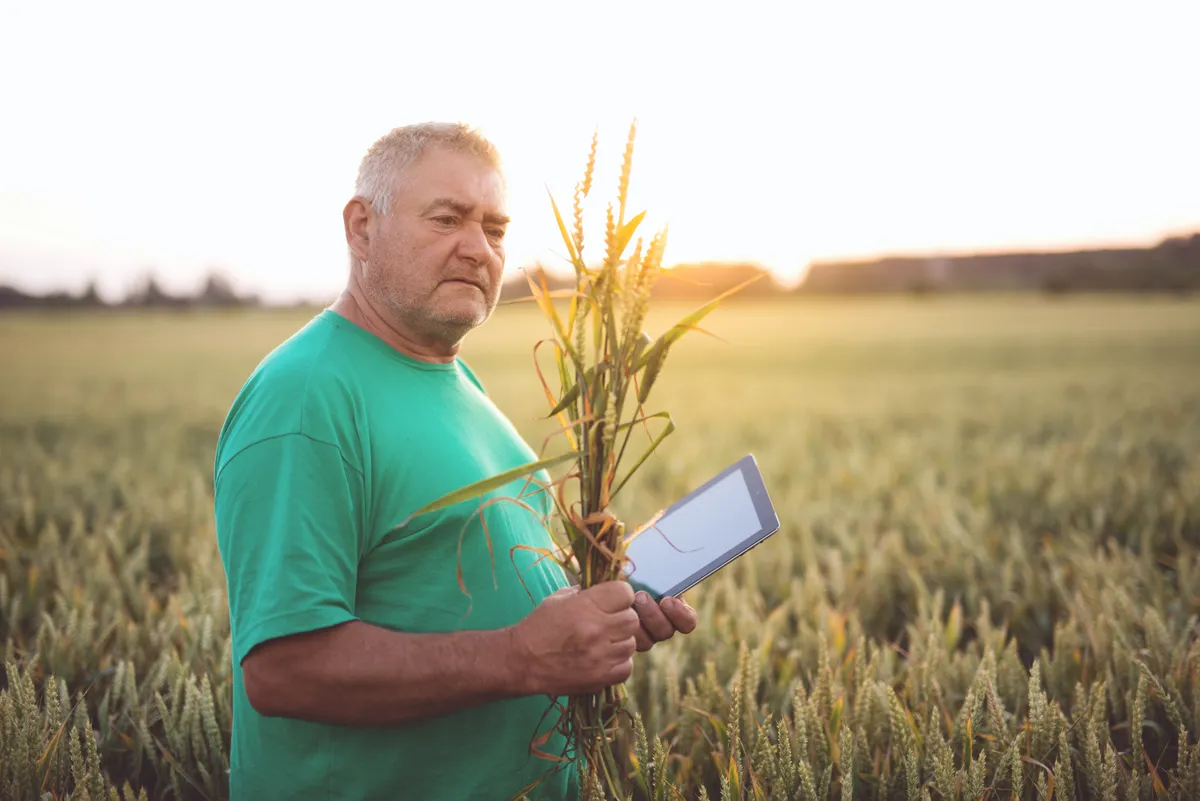
Advanced Certificate in Agronomy
Agriculture & Crop Science
The three-module version of this course, focused on crops and soils without the pasture module.
Advanced Certificate · 3 core modules · approx. 300 hours
View course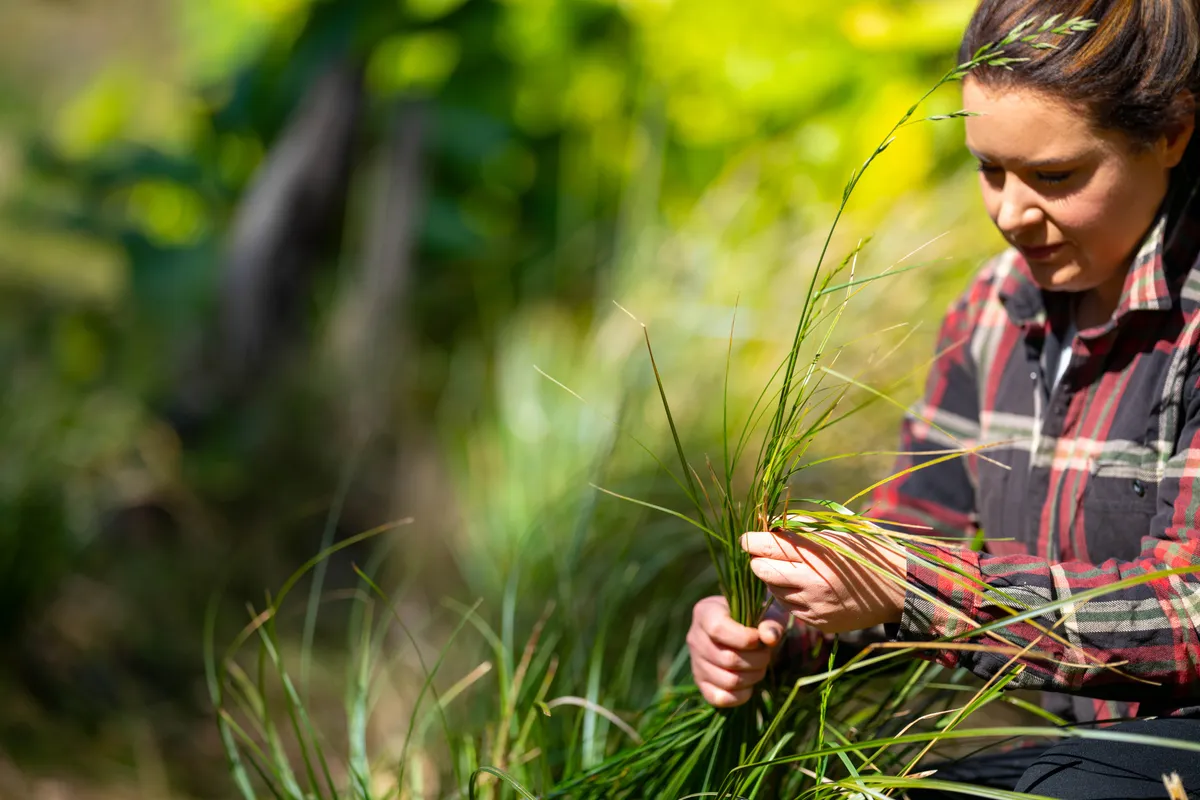
Certificate in Beef Cattle & Pasture Management
Livestock & Farm Management
If the pasture you grow is there to feed a beef herd.
Certificate · 2 core modules · approx. 200 hours
View courseCertificate in Organic & Sustainable Farming
Agriculture & Crop Science
For growers moving toward organic or lower-input crop and pasture systems.
Certificate · 2 core modules · approx. 200 hours
View courseReady to manage the whole system?
Talk to a course consultant about the Agriculture Certificate in Crop & Soil Management and how it fits your property or career plans.