
Livestock & Farm Management Courses
Certificate in Sheep & Farm Management (Online)
Build a sheep enterprise that pays, whether you run wool or lamb.
This sheep farming course covers the flock from joining to market, for wool, prime lamb or both, plus the planning, budgeting and staff skills that turn a flock into a profitable farm business.
- 100% online
- 2 core modules
- approx. 200 study hours
- 12 months' access
- Tutor support 6 days a week
- Certificate + transcript
What is the Certificate in Sheep & Farm Management?
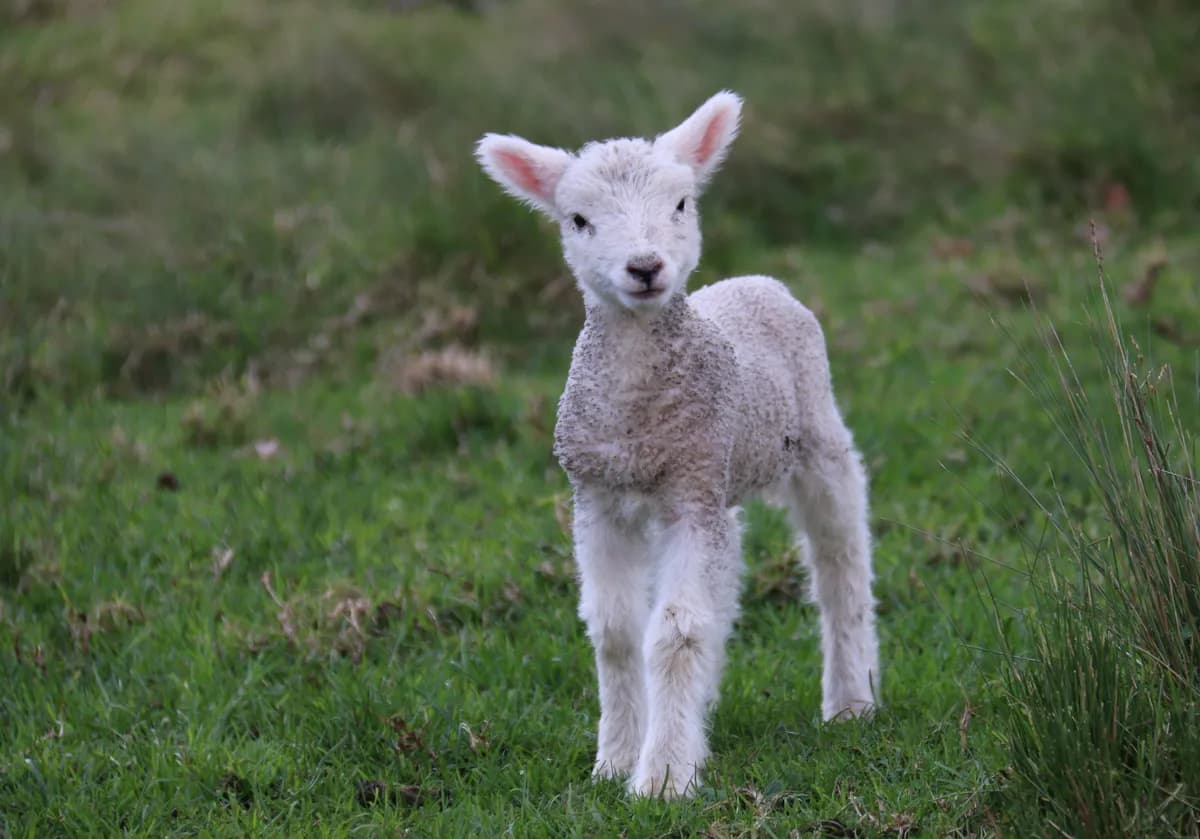
The Certificate in Sheep & Farm Management is a self-paced online sheep farming course about running a profitable sheep enterprise. Across two modules (Sheep Farming and Farm Management) you'll learn breeds and breeding, lambing, nutrition, flock health, handling, wool and prime lamb production, plus farm planning, budgets, staff and WHS. It suits station hands, sheep farmers and successors.
Course overview
Run the flock and the farm as one business
Wool, prime lamb or both: which makes the most sense for your country and your bank balance? Good stockmanship keeps sheep alive and growing. Good management decides whether the enterprise makes money. This course gives you both, so you can plan a breeding program around a target market and then check that the numbers stack up.
- Breed for the market you sell into – Compare sheep breeds and what they're used for, and plan selection and mating programs to suit wool, meat or dual-purpose production.
- From lambing to the saleyard – Manage lamb husbandry, nutrition and feeding, then prime lamb and mutton production, transport and getting product to market.
- Healthy, well-handled sheep – Prevent and treat common health problems, use low-stress handling, and plan yards, infrastructure and equipment.
- The business behind the flock – Build farm and business plans, budgets and cash-flow forecasts, choose a business structure, and manage staff and WHS.
Ready to make better calls about your flock and your farm?
Who this course is for
- Station hands and farm hands on sheep properties who want to move up to overseer or manager.
- Family-farm successors taking on a wool or prime lamb enterprise and planning for succession.
- Small-acreage owners wondering whether a handful of sheep could become a commercial flock that pays.
- Career changers heading into the sheep industry, from farm work to stock and station roles.
What you'll study
You'll begin with a short Student Induction module that sets you up on the learning platform and introduces your tutor. Then you'll complete two core modules: the flock, then the farm business.
Module 1: Sheep Farming (approx. 100 hours)
Commercial sheep production for wool and meat, worked through the sheep year. You'll learn the husbandry that underpins every profitable flock, ending with how the sheep enterprise is managed.
- Breeds – sheep breeds and what each is used for.
- Breeding – selection and mating programs.
- Lamb Husbandry – lambing, and caring for and rearing lambs.
- Nutrition and Feeding – nutritional needs and feeding systems.
- Health and Disease – common conditions, prevention and treatment.
- Handling – low-stress handling, yards and routine husbandry.
- Infrastructure and Equipment – facilities and equipment for a sheep enterprise.
- Wool – wool production and handling.
- Meat Production – producing prime lamb and mutton.
- Transport and Logistics – moving stock and getting product to market.
- Farm Management – running the sheep enterprise.
Module 2: Farm Management (approx. 100 hours)
The business half of the course. You'll take the flock decisions from Module 1 and test them against a farm plan, a budget and the land you graze.
- Farm Planning – SMART goals, action plans, and state planning and zoning rules.
- Business Planning – whole-farm and property management plans, and planning stock and resources.
- Financial Management – records, lenders, leases and contracts, budgeting and forecasting.
- Human Resource Management (HR) – recruiting, inducting and supervising farm staff.
- Operational Management – supply chains, weather, scheduling and risk.
- Farm Business Structure – business types, family farms, succession, and ABN and GST registration.
- OH&S – duty of care, chemicals, machinery, PPE, safety audits and insurance.
- Land Management – buildings, animal shelter, natural vegetation and tree regeneration.
- Water Management – water sources, storage, irrigation, water quality, salinity and drought.
- Soil Erosion – erosion types, acidification and erosion control.
- Farming Practices – grazing, lot-feeding and cropping systems, and energy and waste.
- Future Success – diversification and measuring how the business is tracking.
How you'll learn and be assessed
- Online, in your own time – log in 24/7 from any device, and fit study around lambing, crutching and shearing.
- Quizzes after every unit – short online quizzes check your understanding as you go.
- Tutor-marked assignments – assignments cover the flock (breeds, health, handling, wool and meat, management) and the farm (planning, operations, structure and WHS, land and water, establishing a working farm). Each comes back with personalised feedback.
- Competency-based, with support – if an assignment needs more work, you resubmit after feedback. Tutor support is available 6 days a week by phone, email or video call. No exams to sit in a centre.
Tailor your course with add-on modules
Any certificate can be tailored with add-on modules from our catalogue, so you can pick up extra skills that match your property, business or career plans. Ask a course consultant about adding modules at enrolment or during your studies.
Pasture Management
Grow more feed from the same paddocks: pasture plants and species selection, soil and water, pests and weeds, machinery, establishing new pasture and managing grazing. More feed per hectare can mean more sheep, or better-finished lambs, from the same country.
Beef Cattle Farming
The full beef enterprise: breeds, breeding and calving, low-stress handling, nutrition, health and disease, production systems and feedlots, through to transport, records and supply chains. A natural addition if you're weighing up running cattle alongside the flock.
Horticulture 3 – Health & Welfare of Plants
Diagnose and manage plant health: pests, diseases and weeds, natural and chemical controls, integrated pest management, environmental impacts and safe work practices. An unusual but practical pairing for graziers: it treats pastures and fodder crops as plants with health problems of their own, covering weeds, pests, integrated pest management and safe chemical use on grazing land.
Animal Health
Recognise and respond to illness in livestock: signs and symptoms, how diseases are classified, caused, diagnosed and treated, and how animals heal. Builds on the flock-health unit with a deeper look at how disease develops and how animals recover.
Animal Feed and Nutrition
Understand what's in a feed and what it's worth: feed components, digestibility, feed classes and step-by-step ration calculations. Handy when you're supplementary feeding through a dry season or finishing lambs and need to cost the ration.
Ask a course consultant about adding modules when you enrol.
Career pathways and earning potential
Sheep husbandry plus business skills are useful on family farms, larger stations and in the services around them. Roles graduates often explore include:
- Farm hand or station hand (sheep) – mustering, lamb marking, drenching, yard work and feeding on a sheep property. Station hand: advertised average $67,500 (most common $65k–$75k), Jora.
- Overseer or farm manager – planning the sheep year, managing staff and keeping the enterprise on budget. Farm manager: advertised median $105,000 (typical $95k–$115k), SEEK.
- Livestock agent (trainee) – helping assess, market and sell sheep and lambs for producers.
Figures are advertised salaries (SEEK, Jora) or median full-time earnings (Jobs and Skills Australia), accessed October 2026. Pay varies with experience, location and employer. Figures are a guide only.
Course details
- Study mode
- 100% online, self-paced
- Core modules
- 2 (plus Student Induction)
- Study time
- approx. 200 hours at your own pace (most students finish in 10–15 weeks)
- Access
- 12 months
- Support
- tutor support 6 days a week
- You'll receive
- Certificate of Completion, Certificate of Attainment and transcript
- Payment
- upfront or interest-free payment plan
Download your Certificate in Sheep & Farm Management brochure
See all 23 units, the assessment plan and your payment options in one brochure.
Frequently asked questions
No. You don't need land, a flock or any prior study. If you already work with sheep, you can apply each unit to the flock you handle. If you're starting out, you can base assignments on a property you can visit or research.
More questions? See our full FAQs or speak to a course consultant.
Related courses
Certificate in Sheep & Beef Farming
Livestock & Farm Management
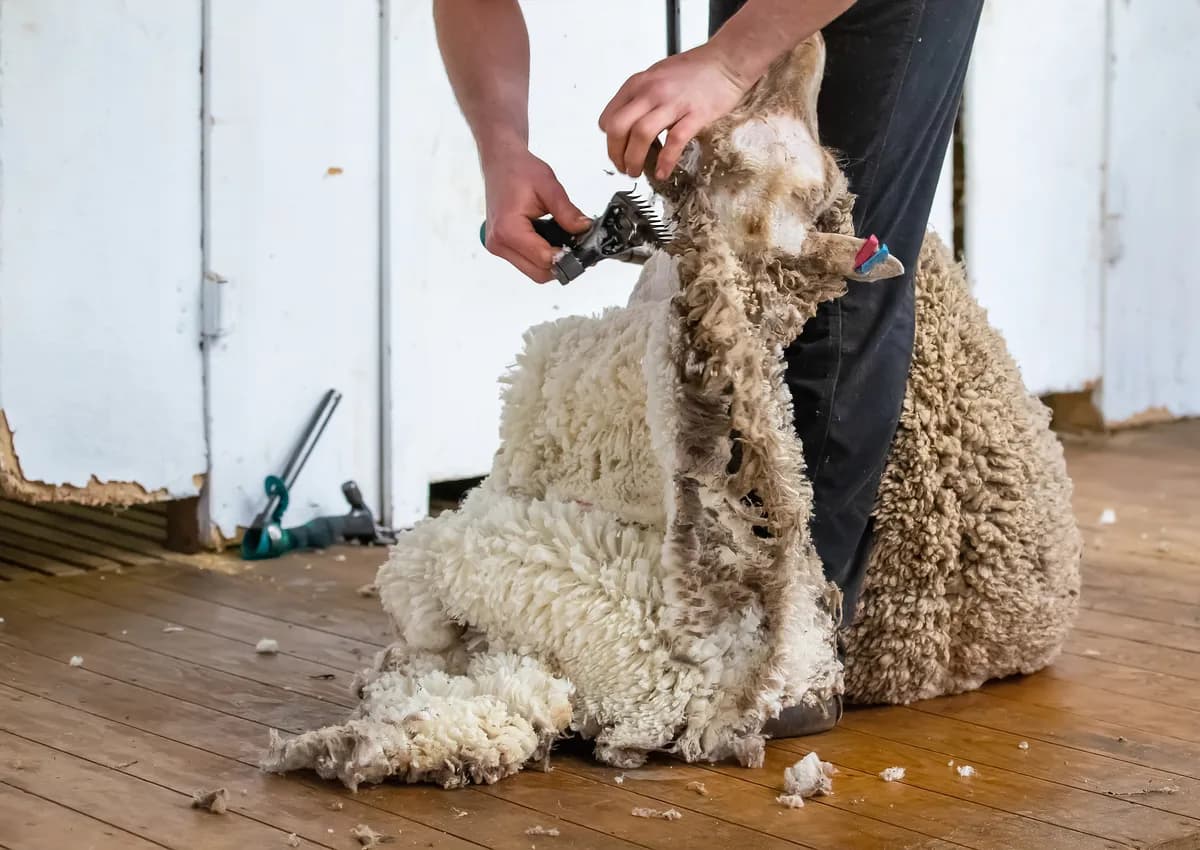
Swap the business module for beef cattle and learn to run both species.
Certificate · 2 core modules · approx. 200 hours
View courseCertificate in Beef Cattle & Farm Management
Livestock & Farm Management
The same business-first approach, applied to a beef herd.
Certificate · 2 core modules · approx. 200 hours
View course
Advanced Certificate in Livestock Management
Livestock & Farm Management
Broader livestock skills, with a focus on animal health and nutrition.
Advanced Certificate · 3 core modules · approx. 300 hours
View courseReady to run a flock that pays its way?
Talk to a course consultant about the Certificate in Sheep & Farm Management and how it fits your property or career plans.