
Agriculture & Crop Science Courses
Certificate in Organic & Sustainable Farming (Online)
Farm with natural systems and keep the land productive.
Learn to build soil fertility, manage weeds, pests and disease without synthetic inputs, raise organic livestock, pasture and crops, and keep the whole farm sustainable, online and at your own pace with a tutor to guide you.
- 100% online
- 2 core modules
- approx. 200 study hours
- 12 months' access
- Tutor support 6 days a week
- Certificate + transcript
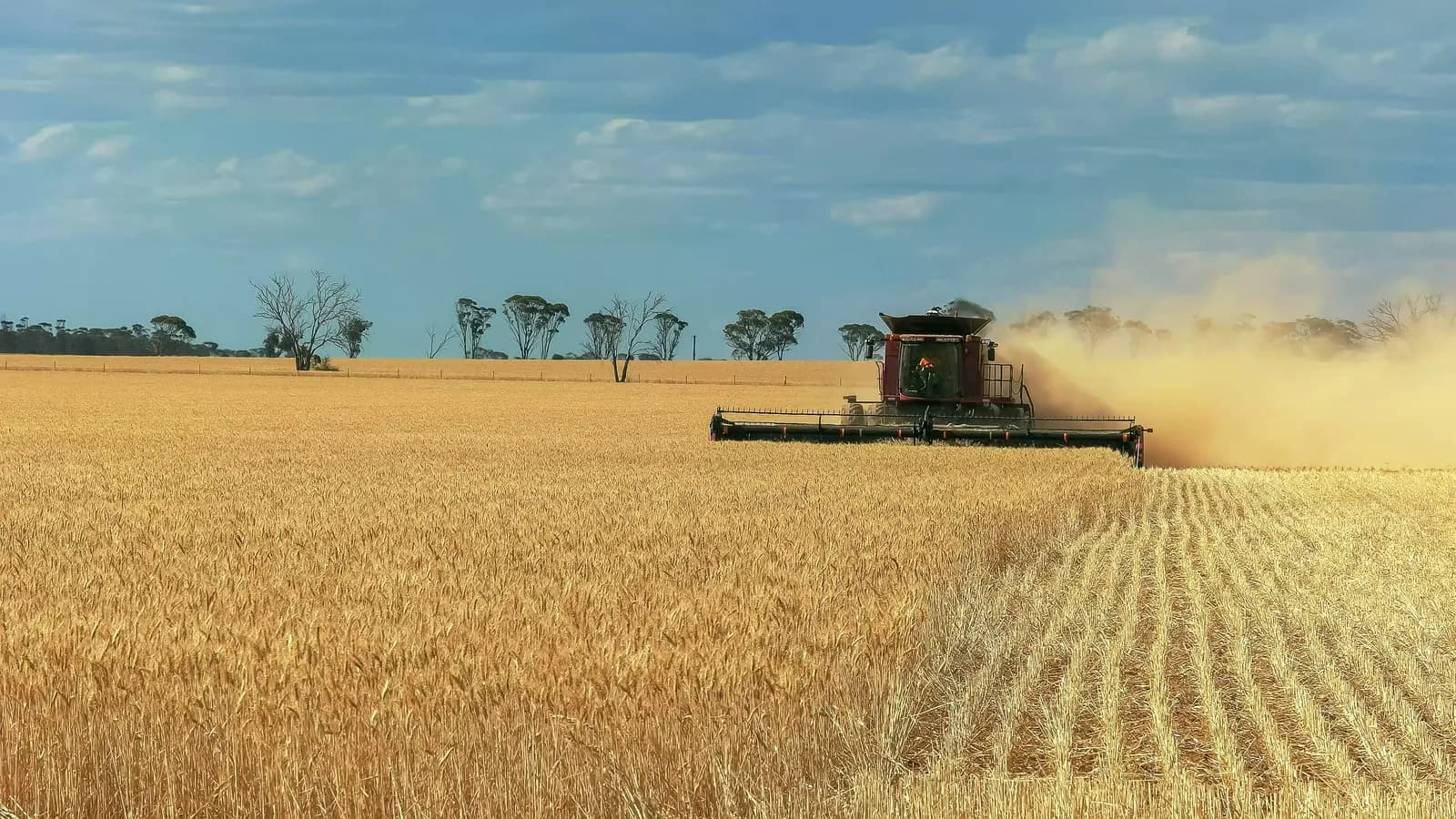
What is the Certificate in Organic & Sustainable Farming?
The Certificate in Organic & Sustainable Farming is a self-paced online course in organic production and the sustainability thinking behind regenerative farming. Across two modules (Organic Farming and Sustainable Agriculture) you'll learn to build soil fertility naturally, control weeds, pests and disease without synthetic chemicals, and manage organic livestock, pasture and crops. It suits small producers, market gardeners and farmers considering conversion.
Course overview
Start with the soil, and the rest follows
What would your farm look like if the soil did more of the work? Organic and regenerative growers build fertility, ground cover and natural pest control into the system instead of buying them in. This course teaches the organic methods and the sustainability principles behind them, so you can grow for organic markets or simply farm with fewer inputs.
- Build living soil – Use composting, green manures and natural fertility to feed crops through the soil rather than around it.
- Control problems without synthetic chemicals – Manage weeds with non-chemical methods, and pests and diseases with biological and cultural controls.
- Raise organic livestock, pasture and crops – Two units on organic livestock husbandry, plus organic pasture management and crop production.
- Keep the farm viable as well as green – Work through soil, water, land care and financial sustainability so the business lasts as long as the land.
Ready to farm with nature rather than against it? Your organic farming course starts the day you enrol.
Who this course is for
- Market gardeners and small producers selling at farmers' markets or direct to restaurants and stores.
- Farmers considering converting part or all of a property to organic production.
- Hobby farmers and self-sufficiency seekers who want to grow food and raise animals without synthetic inputs.
- Career changers looking for work on organic or regenerative farms who want to understand the methods before they start.
What you'll study
You'll start with a short Student Induction module that sets you up on the learning platform and introduces your tutor. Then you'll work through two core modules.
Module 1: Organic Farming (approx. 100 hours)
The practical heart of the course. You'll learn how organic systems are designed and run, from soil fertility to weed, pest and disease control, and how livestock, pasture and crops fit together on an organic farm.
- Introduction to Organic Farming – organic principles and the certification context.
- Integrated Farm Management Systems – fitting the farm's enterprises together as one system.
- Organic Management Issues – the practical and regulatory challenges organic producers face.
- Organic Soil Management and Crop Nutrition – composting, green manures and building natural fertility.
- Weed Management – controlling weeds without synthetic herbicides.
- Pest and Disease Management – biological and cultural controls.
- Livestock Management I – organic livestock husbandry, part 1.
- Livestock Management II – organic livestock husbandry, part 2.
- Pasture – managing pasture organically.
- Crops – organic crop production.
Module 2: Sustainable Agriculture (approx. 100 hours)
Organic methods work best inside a farm that is sustainable as a whole. This module widens the lens to soil, water, land care and money, then applies it to plant and animal enterprises.
- Introduction to Sustainable Farming – what sustainability means on a farm.
- Soils – keeping soil healthy and productive.
- Water – using water sustainably.
- Land Care – protecting and repairing land.
- Financial Sustainability – keeping the farm business viable over time.
- Broad Management Strategies – whole-farm approaches to sustainability.
- Plant Enterprises – sustainable cropping and horticulture.
- Animal Enterprises – sustainable livestock systems.
How you'll learn and be assessed
- Online, in your own time – study materials, quizzes and assignments are on the learning platform 24/7, on any device.
- One assignment per unit – each unit has a short online quiz and a written assignment marked by your tutor, with personalised feedback on every one.
- Apply it to a real place – where an assignment asks for a farm example, you can use any farm, market garden or block you have access to.
- Competency-based – if an assignment isn't quite there yet, your tutor tells you what to improve and you resubmit. No exams to sit in a centre.
Tailor your course with add-on modules
Shape the course around what you grow and how you plan to sell it. Any certificate can be tailored with add-on modules from our catalogue, so you can pick up extra skills that match your property, business or career plans.
Soil Management
Get to know your soil: classification, properties and plant nutrition, soil testing, degradation problems like erosion and salinity, and practical soil management on farms, finishing with your own soil investigation. Organic systems live or die on soil health, and this module gives you the testing skills to measure it.
Agricultural Marketing
Sell what you grow for a better return: marketing strategy, target markets, produce handling, customer relationships, market research and promotion. Helps you find the buyers who value organic and sustainably grown produce, and reach them.
Ask a course consultant about adding modules when you enrol.
Career pathways and earning potential
Organic and sustainable methods are used on market gardens, small mixed farms and larger certified properties. Roles graduates often explore include:
- Organic farm or market garden worker – planting, composting, weeding and harvesting on an organic or regenerative property. Horticultural worker median $76,000; typical $75k–$80k (advertised salaries), SEEK.
- Small-scale organic producer – running your own market garden, orchard or small mixed farm and selling direct. Income depends entirely on the enterprise, so no pay benchmark is given.
- Livestock farm worker on an organic property – day-to-day care of stock under organic management rules. Stockperson average $67,500; most common $65k–$75k (advertised salaries), Jora.
Figures are advertised salaries (SEEK, Jora) or median full-time earnings (Jobs and Skills Australia), accessed October 2026. Pay varies with experience, location and employer. Figures are a guide only.
Course details
- Study mode
- 100% online, self-paced
- Core modules
- 2 (plus Student Induction)
- Study time
- approx. 200 hours at your own pace (most students finish in 10–15 weeks)
- Access
- 12 months
- Support
- tutor support 6 days a week
- You'll receive
- Certificate of Completion, Certificate of Attainment and transcript
- Payment
- upfront or interest-free payment plan
Download your Certificate in Organic & Sustainable Farming brochure
See every unit, how assessment works and your payment options in one place.
Frequently asked questions
Not by law for domestic sales, but in practice you usually will. There's no mandatory standard for organic produce sold within Australia: the Australian Standard for organic products (AS 6000) is voluntary. Any organic claim must still be truthful and able to be backed up under Australian Consumer Law, and most retailers and wholesalers expect certification. Organic exports must be certified by an approved certifying body. Check with a certifier before you label anything organic.
More questions? See our full FAQs or speak to a course consultant.
Related courses
Certificate in Sustainable Farm Management
Agriculture & Crop Science
Keeps Sustainable Agriculture and pairs it with Farm Management for the business side.
Certificate · 2 core modules · approx. 200 hours
View course
Agriculture Certificate in Crop & Soil Management
Agriculture & Crop Science
Conventional crop, soil and pasture science across four modules.
Agriculture Certificate · 4 core modules · approx. 400 hours
View course
Certificate in Horticulture
Horticulture & Landscaping
If you'd rather grow on a garden scale and want broader plant knowledge.
Certificate · 2 core modules · approx. 200 hours
View courseReady to grow with nature on your side?
Talk to a course consultant about the Certificate in Organic & Sustainable Farming and how it fits your property or plans.