
Livestock & Farm Management
Livestock & Cattle Farming Courses Online
Beef, dairy and sheep production, pasture and feed, animal health and the farm business. Choose the combination that matches your stock and your plans.
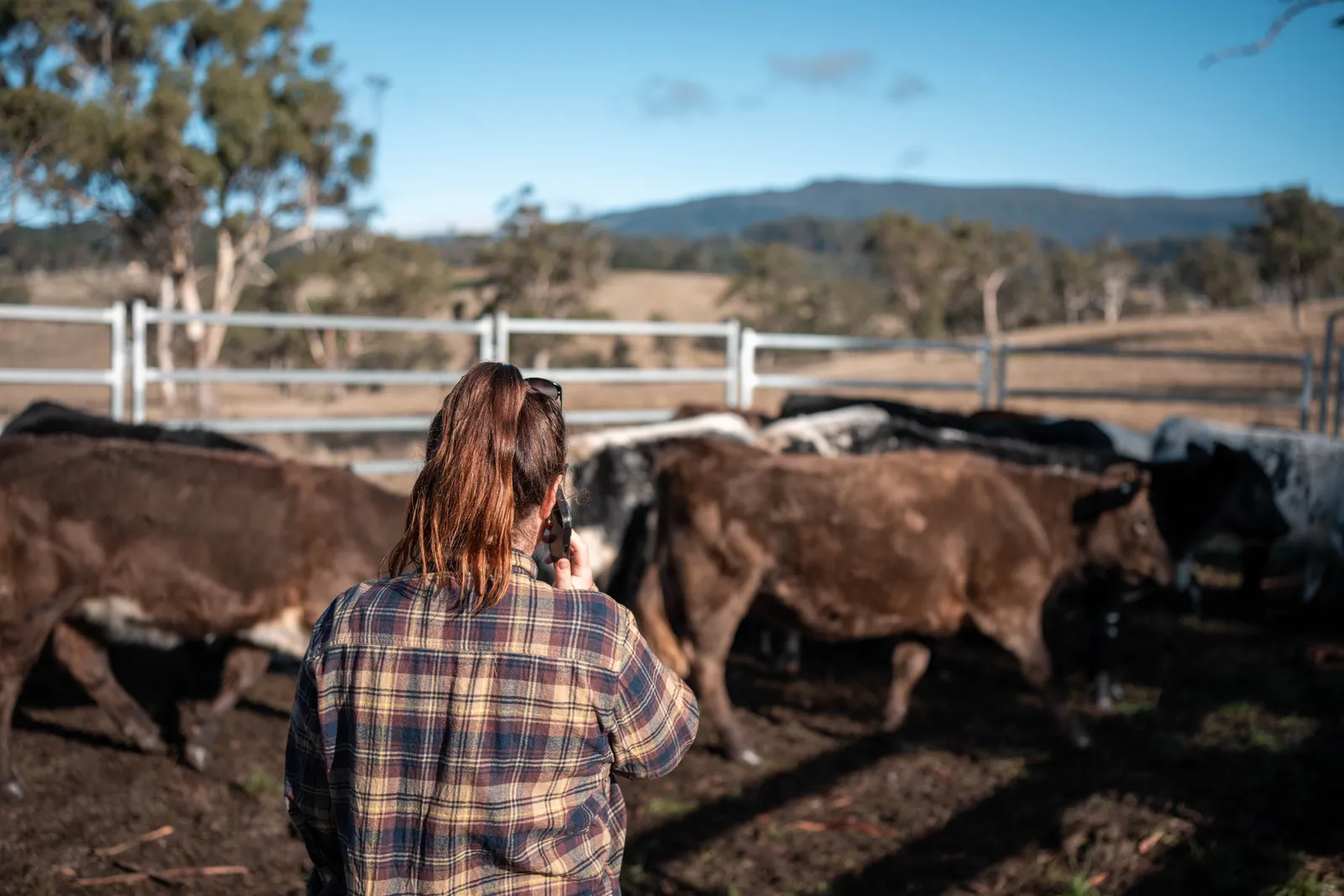
Tutor support 6 days a week. Real people who know farming, plants and flowers.
100% online, self-paced. Study around the season, the stock and the school run.
Make it yours. Add modules to tailor your course.
Interest-free payment plans. Pay upfront or spread the cost.
What will I learn in a livestock farming course?
A livestock farming course teaches you how to breed, feed, handle and keep stock healthy, and how to run a livestock enterprise profitably. The Ag & Hort School offers 11 online livestock courses covering beef cattle, dairy cattle and sheep. Each can be combined with pasture management, animal health and nutrition, or farm management.
Our livestock and farm management courses
Most comprehensive
Agriculture Certificate in Livestock
Livestock & Farm Management
Beef, sheep, pasture and farm management: the complete grazing operation.
Agriculture Certificate · 4 core modules · approx. 400 hours
View course
Advanced Certificate in Livestock Management
Livestock & Farm Management
Animal health, feed and nutrition, and the pasture base, for any species.
Advanced Certificate · 3 core modules · approx. 300 hours
View course
Advanced Certificate in Beef Cattle Farming
Livestock & Farm Management
The complete beef enterprise: herd, pasture and business.
Advanced Certificate · 3 core modules · approx. 300 hours
View courseBeef cattle
Certificate in Beef Cattle & Farm Management
Livestock & Farm Management
Run a beef operation as a business.
Certificate · 2 core modules · approx. 200 hours
View course
Certificate in Beef Cattle & Pasture Management
Livestock & Farm Management
Grazing-led beef production.
Certificate · 2 core modules · approx. 200 hours
View courseDairy cattle
Certificate in Dairy Cattle & Farm Management
Livestock & Farm Management
Run a dairy as a business.
Certificate · 2 core modules · approx. 200 hours
View course
Certificate in Dairy Cattle & Pasture Management
Livestock & Farm Management
Grass to milk: pasture-based dairying.
Certificate · 2 core modules · approx. 200 hours
View course
Mixed livestock
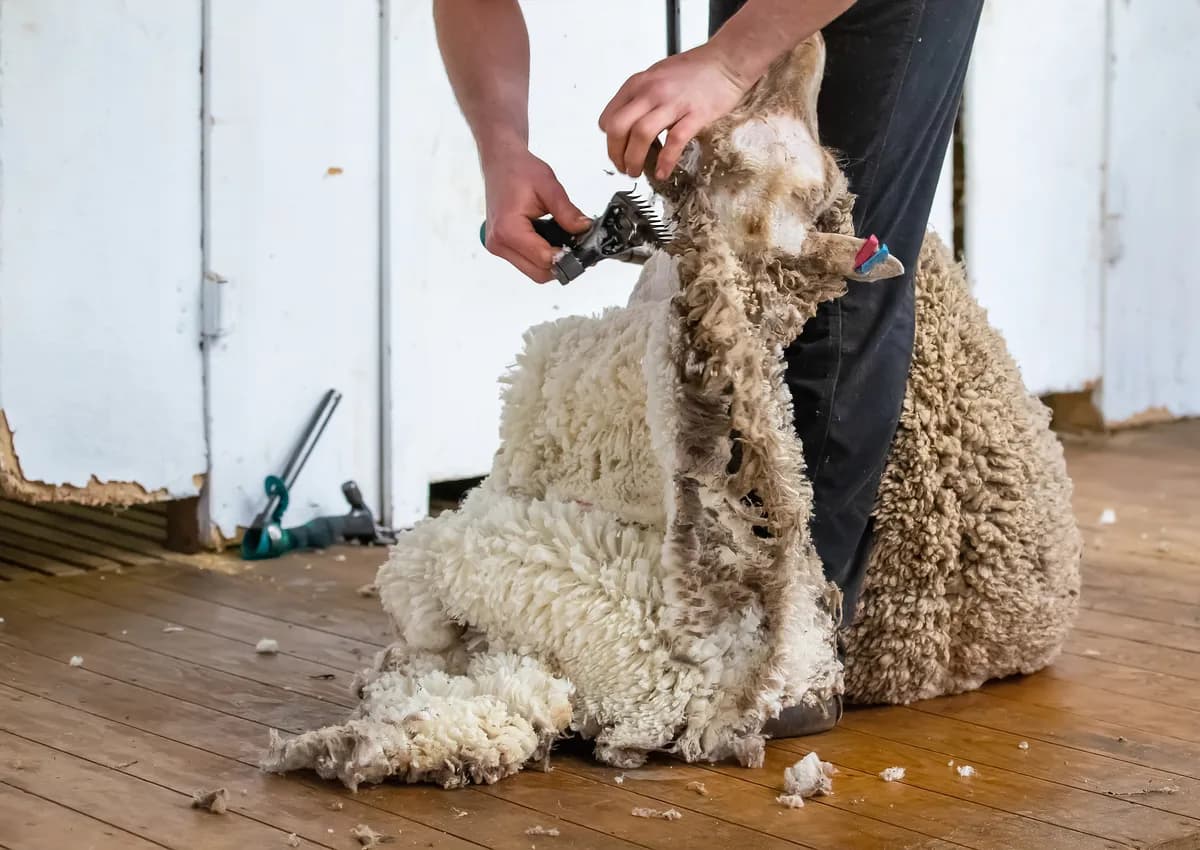
Certificate in Sheep & Beef Farming
Livestock & Farm Management
Australia's classic mixed grazing enterprise.
Certificate · 2 core modules · approx. 200 hours
View course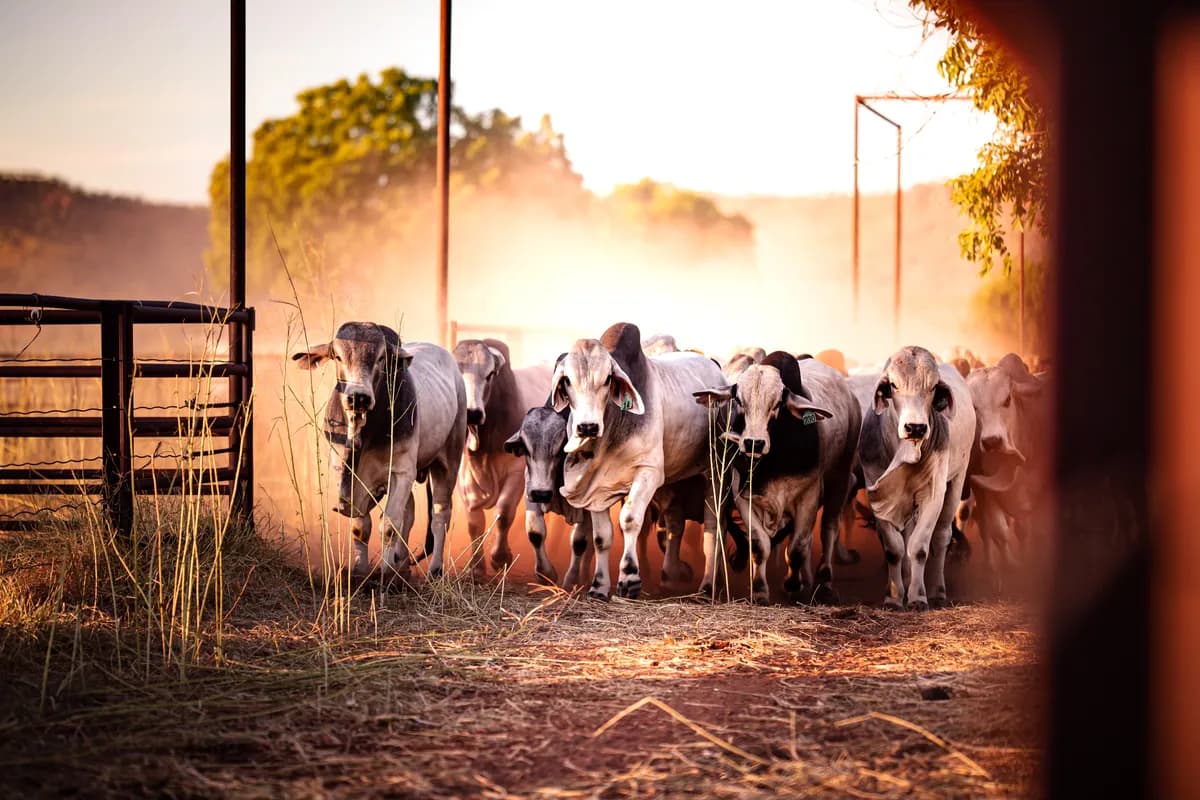
Certificate in Beef & Dairy Cattle Farming
Livestock & Farm Management
Both cattle industries in one course.
Certificate · 2 core modules · approx. 200 hours
View courseCertificate in Sheep & Dairy Cattle Farming
Livestock & Farm Management
Versatile skills across wool, lamb and milk.
Certificate · 2 core modules · approx. 200 hours
View courseWhy study livestock farming with us
- Choose your combination – pick the species and the support skills you need, from pasture and nutrition to animal health and business, and add more with add-on modules.
- Practical, numbers-based learning – calving percentages, ration calculations, feed budgets and farm cash flow. You'll practise the maths behind good stock decisions.
- Welfare built in – low-stress handling, health checks, body condition scoring and disease prevention run through every course.
Careers in livestock farming
Figures are advertised salaries (SEEK, Jora) or median full-time earnings (Jobs and Skills Australia), accessed October 2026. Pay varies with experience, location and employer. Figures are a guide only.
- Farm hand / livestock worker – median advertised salary $71,210 (SEEK). The award minimum is $978.10/week at level 1 (Pastoral Award, from 1 July 2026).
- Station hand / stockperson – average advertised salary $67,500 (Jora).
- Livestock manager – managing herds, feed and staff on beef and mixed properties. Median advertised salary $110,000 (SEEK).
- Dairy farm hand / dairy farm manager – average advertised salaries of $72,500 and $108,750 respectively (Jora).
- Sheep farmer or station hand – owner-operator income depends on the enterprise; station hand roles average $67,500 (Jora).
- Farm manager – running day-to-day operations, staff and budgets. Median advertised salary $105,000 (SEEK).
How you'll study
- 100% online, 24/7. Study around feeding, milking, lambing and calving.
- About 100 hours per module. Most two-module certificates take 10–15 weeks part-time.
- 12 months' access, with extensions available on application.
Four simple steps to your new skills
Talk to us. Chat with a course consultant about your goals, your property or your career plans, and find the right certificate.
Enrol and meet your tutor. You'll get a personal welcome call and a Student Induction module that sets you up on the learning platform.
Study your way. Work through each unit online, 24/7, with quizzes, tutor-marked assignments and support 6 days a week.
Graduate. Receive your Certificate of Completion, Certificate of Attainment and transcript, ready to put your skills to work.
Livestock course FAQs
No. You don't need your own stock or land to enrol. Many students work on farms or are planning to buy a property, and the courses are designed to be useful either way.
Explore related study areas
- Agriculture & Crop Science – agronomy, soils and agribusiness.
- Conservation & Land Management – habitat and land care on working farms.