
Livestock & Farm Management Courses
Agriculture Certificate in Livestock Course (Online)
Cattle, sheep, pasture and the business that ties them together.
Learn to run a mixed sheep-and-beef grazing operation from the ground up: two livestock enterprises, the pasture that feeds them and the farm business behind it all, online and at your own pace.
- 100% online
- 4 core modules
- approx. 400 study hours
- 12 months' access
- Tutor support 6 days a week
- Certificate + transcript
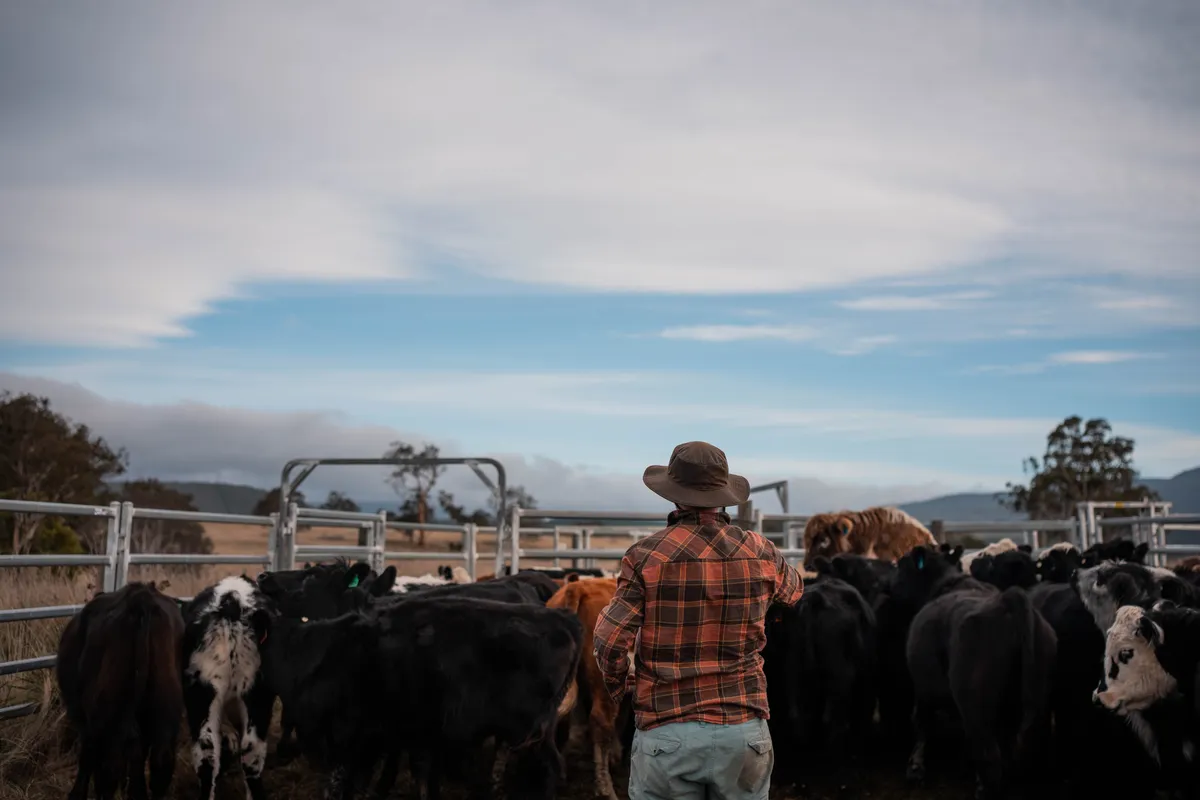
What is the Agriculture Certificate in Livestock?
The Agriculture Certificate in Livestock is our most comprehensive online livestock course. Across four modules (Beef Cattle Farming, Sheep Farming, Farm Management and Pasture Management) you'll learn to breed, feed, handle and sell both cattle and sheep, plan the whole property as a business, and grow the pasture they graze. It suits people running, or preparing to run, a mixed grazing enterprise.
Course overview
One property, a herd and a flock, one plan
Why do so many grazing properties run both sheep and cattle? Two enterprises on one pasture base spread the risk and use the feed better, if you can manage both. This course covers each species, the pasture they share, and the money decisions that keep the operation viable.
- Two enterprises side by side – Compare breeds, breeding, calving and lambing, handling and health for beef cattle and sheep.
- Wool, prime lamb and beef – Follow the three product streams of a mixed property, from wool handling to beef cuts and supply chains.
- The shared feed base – Select pasture species, manage soil and water, control weeds and pests, and establish and renovate pasture.
- A whole-farm business plan – Build farm and business plans, budgets and cash flow forecasts, and work through staffing, WHS and succession.
Want every paddock and every animal to pull its weight? This course covers it all.
Who this course is for
- Family-farm successors taking over a mixed sheep-and-cattle property.
- Station hands and jackaroos/jillaroos working across both species and aiming for an overseer or manager role.
- Owner-operators weighing up diversification, such as a cattle producer considering a flock, or the reverse.
- New landholders and tree-changers who want to understand stock, pasture and finances before stocking a block.
What you'll study
You'll begin with a short Student Induction module that gets you set up on the learning platform. Then you'll work through four core modules.
Module 1: Beef Cattle Farming (approx. 100 hours)
The cattle half of the operation, from breeding and handling to getting beef to the buyer.
- Breeds – anatomy, beef breeds, and marking and tracking.
- Breeding – heritability, crossbreeding, calving percentage and weaning.
- Reproduction – fertility, pregnancy, calving and growth.
- Handling Cattle – yards, routine husbandry and low-stress handling.
- Nutrition – feeds, rations, minerals, toxicity and water.
- Plant Protein – protein, amino acids and nitrogen conservation.
- Health – vital signs, body condition and prevention.
- Disease – viral, bacterial and parasitic diseases.
- Farm Management Part 1 – production systems, feedlots, commercial and stud herds.
- Farm Management Part 2 – transport, processing, records and supply chains.
Module 2: Sheep Farming (approx. 100 hours)
The sheep half: commercial wool and meat production, and where a flock fits beside the herd.
- Breeds – sheep breeds and their uses.
- Breeding – selection and mating programs.
- Lamb Husbandry – lambing and rearing lambs.
- Nutrition and Feeding – nutritional needs and feeding systems.
- Health and Disease – common conditions, prevention and treatment.
- Handling – low-stress handling, yards and husbandry.
- Infrastructure and Equipment – facilities for a sheep enterprise.
- Wool – wool production and handling.
- Meat Production – prime lamb and mutton.
- Transport and Logistics – moving stock and reaching market.
- Farm Management – running the sheep enterprise.
Module 3: Farm Management (approx. 100 hours)
Two enterprises, one business: the planning, money and people side of a mixed property.
- Farm Planning – SMART goals, action plans and zoning rules.
- Business Planning – whole-farm and property management plans.
- Financial Management – records, lenders, leases, budgets and forecasts.
- Human Resource Management (HR) – recruiting, inducting and supervising staff.
- Operational Management – supply chains, scheduling and risk.
- Farm Business Structure – family farms, succession, ABN and GST.
- OH&S – duty of care, chemicals, machinery and safety audits.
- Land Management – buildings, animal shelter and native vegetation.
- Water Management – sources, storage, irrigation and drought.
- Soil Erosion – erosion types, acidification and erosion control.
- Farming Practices – grazing, lot feeding, cropping, energy and waste.
- Future Success – diversification and measuring progress.
Module 4: Pasture Management (approx. 100 hours)
Sheep and cattle graze differently, but both depend on what the paddock grows.
- Introduction to Pasture Management – why pasture matters, and site requirements.
- Pasture Anatomy – how pasture plants are built.
- Pasture Selection – grass and legume species for your site.
- Soil Management – soils and fertility for pasture.
- Water Management – water supply and use.
- Pest, Disease, and Weed Management – identifying and controlling threats.
- Machinery and Equipment – tools for establishing and maintaining pasture.
- New Pasture and Growth Management – sowing and early growth.
- Existing Pasture Growth and Management – renovation and grazing management.
How you'll learn and be assessed
- Online, in your own time – study 24/7 on any device, around musters, shearing and calving.
- Quizzes and tutor-marked assignments – a short quiz after each unit, plus written assignments with personalised feedback on every one.
- Applied tasks – calving percentage and ration calculations, flock and grazing management, and an "Establishing a Working Farm" assignment.
- Competency-based, no exams – if work isn't there yet, your tutor explains what to improve and you resubmit. Tutor support runs 6 days a week by phone, email or video call.
Tailor your course with add-on modules
Any certificate can be tailored with add-on modules from our catalogue. Pick up extra skills that match your property, business or career plans.
Animal Health
Recognise and respond to illness in livestock: signs and symptoms, how diseases are classified, caused, diagnosed and treated, and how animals heal. With two species to watch, it helps you act early whichever animal is off-colour.
Animal Feed and Nutrition
Understand what's in a feed and what it's worth: feed components, digestibility, feed classes and step-by-step ration calculations. Handy for splitting supplementary feed between sheep and cattle in a dry season. If animal health and nutrition are your main interest, our Advanced Certificate in Livestock Management covers both as core modules.
Dairy Cattle Farming
Dairy herd production from breeding and AI to milking facilities, rations and feed-flow planning, mastitis and herd health, records, welfare and planning dairy infrastructure. Worth adding if you're weighing up dairy work or share-farming.
Agricultural Marketing
Sell what you grow for a better return: marketing strategy, target markets, produce handling, customer relationships, market research and promotion. Wool, lamb and beef sell into different markets; this helps you plan how and when to sell each.
Ask a course consultant about adding modules when you enrol.
Career pathways and earning potential
Beef cattle slaughter and live exports are forecast at $22.4 billion in 2026–27, and sheep meat, wool and live sheep at $10.3 billion (ABARES, Sep 2026). Roles graduates often explore include:
- Station hand or farm hand (mixed livestock) – mustering, yard work, feeding and pasture jobs on sheep-and-cattle properties. Station Hand average $67,500 (most common $65k–$75k, advertised salaries), Jora.
- Livestock overseer or farm manager – planning the year's stock work, managing staff and keeping the budget on track. Farm Manager median $105,000 (typical $95k–$115k, advertised salaries), SEEK.
- Grazing owner-operator – running your own mixed property. Income depends on the enterprise, so no figure is given.
Figures are advertised salaries (SEEK, Jora) or median full-time earnings (Jobs and Skills Australia), accessed October 2026. Pay varies with experience, location and employer. Figures are a guide only.
Course details
- Study mode
- 100% online, self-paced
- Core modules
- 4 (plus Student Induction)
- Study time
- approx. 400 hours at your own pace (most students finish in 20–30 weeks)
- Access
- 12 months
- Support
- tutor support 6 days a week
- You'll receive
- Certificate of Completion, Certificate of Attainment and transcript
- Payment
- upfront or interest-free payment plan
Download your Agriculture Certificate in Livestock brochure
Every unit and how assessment works, in one place.
Frequently asked questions
No. You don't need your own property, stock or farm experience, and no prior study is required. Most assessment is written work completed online. If you're already on the land, you can apply each unit to your own operation.
More questions? See our full FAQs or speak to a course consultant.
Related courses
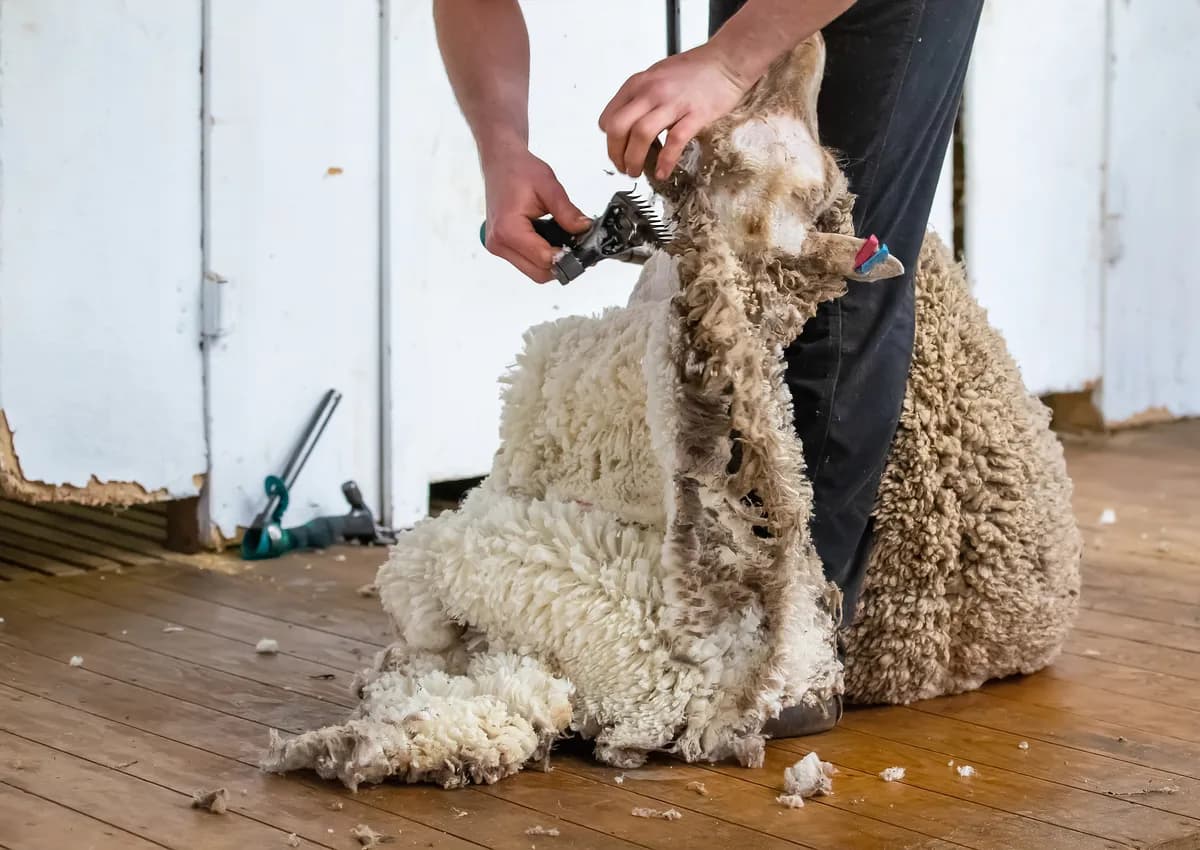
Certificate in Sheep & Beef Farming
Livestock & Farm Management
The two livestock modules from this course, without pasture and farm business.
Certificate · 2 core modules · approx. 200 hours
View course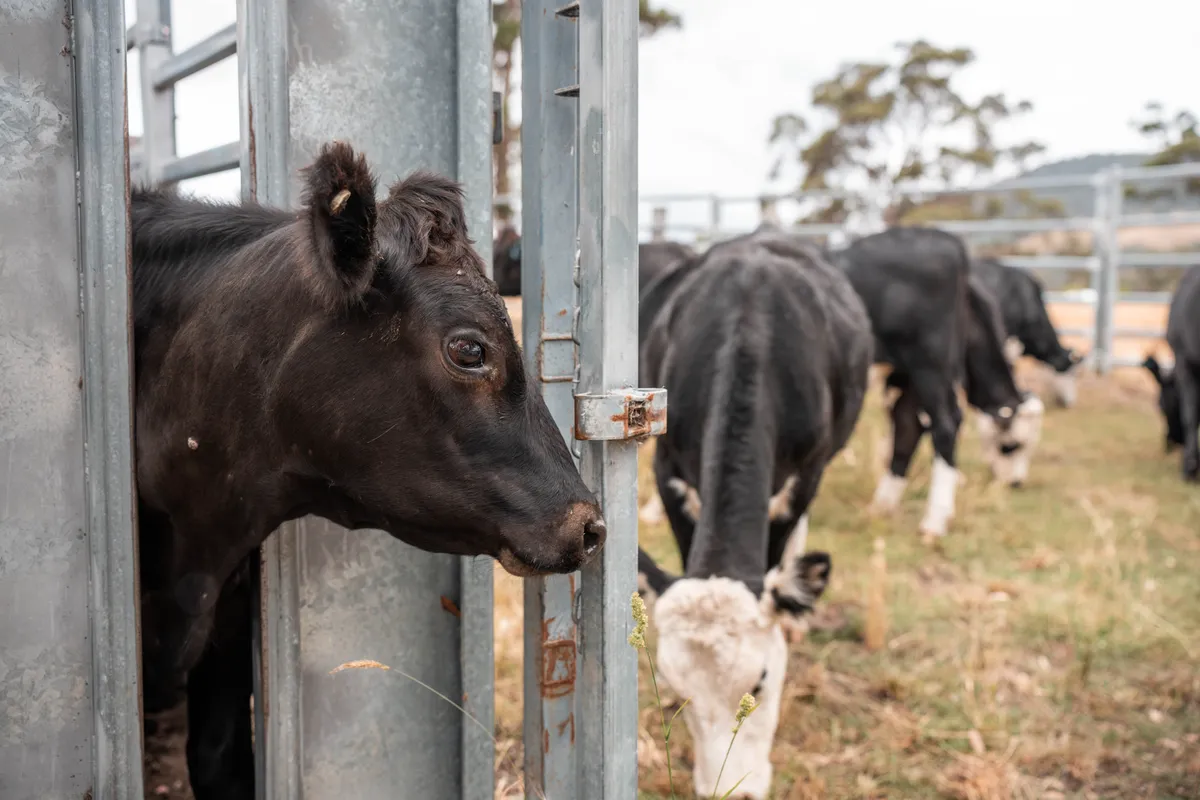
Advanced Certificate in Livestock Management
Livestock & Farm Management
A species-agnostic option centred on animal health, nutrition and pasture.
Advanced Certificate · 3 core modules · approx. 300 hours
View course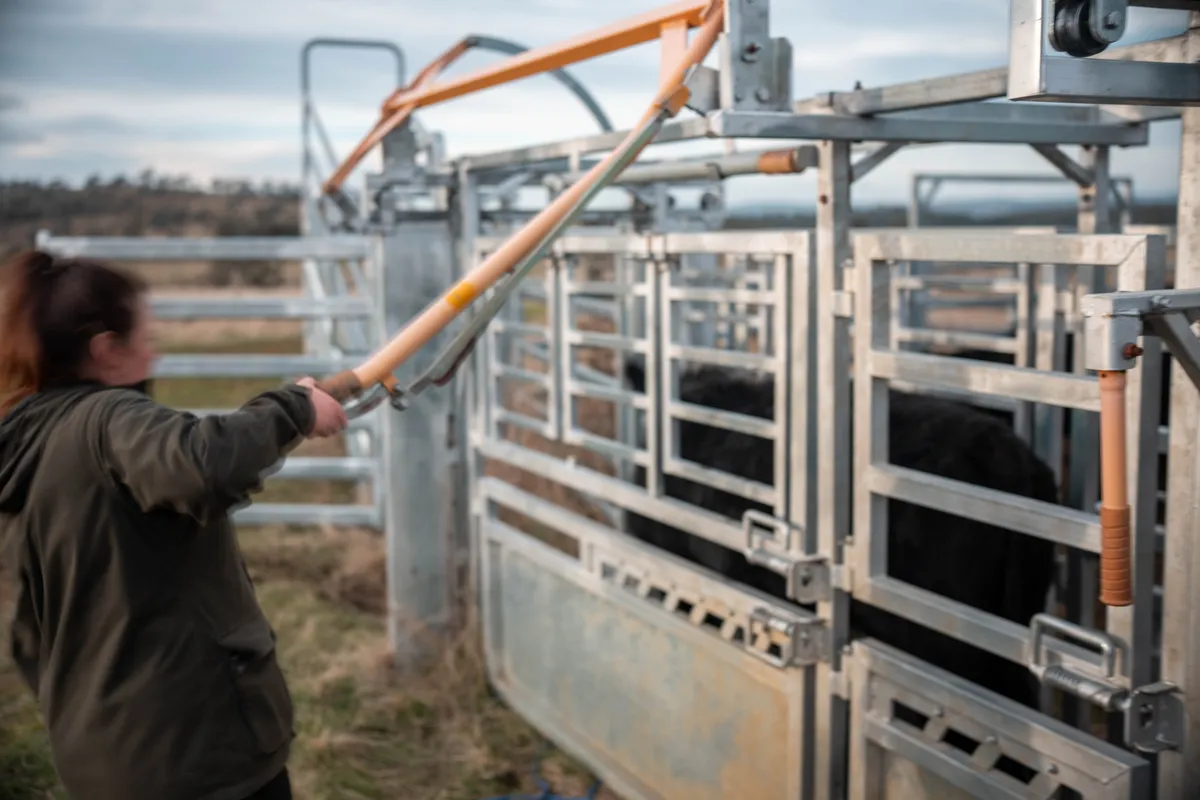
Advanced Certificate in Beef Cattle Farming
Livestock & Farm Management
The same cattle, pasture and business modules, without sheep, for a beef-only property.
Advanced Certificate · 3 core modules · approx. 300 hours
View courseReady to run the whole grazing operation?
Talk to a course consultant about how the Agriculture Certificate in Livestock fits your property or plans.