
Livestock & Farm Management Courses
Certificate in Beef Cattle & Pasture Management Course (Online)
Grow more grass, and turn it into more beef.
Learn to select, establish and manage pasture, then match your herd's breeding, nutrition and grazing to what the paddocks can grow. Study online, at your own pace, with tutor support 6 days a week.
- 100% online
- 2 core modules
- approx. 200 study hours
- 12 months' access
- Tutor support 6 days a week
- Certificate + transcript
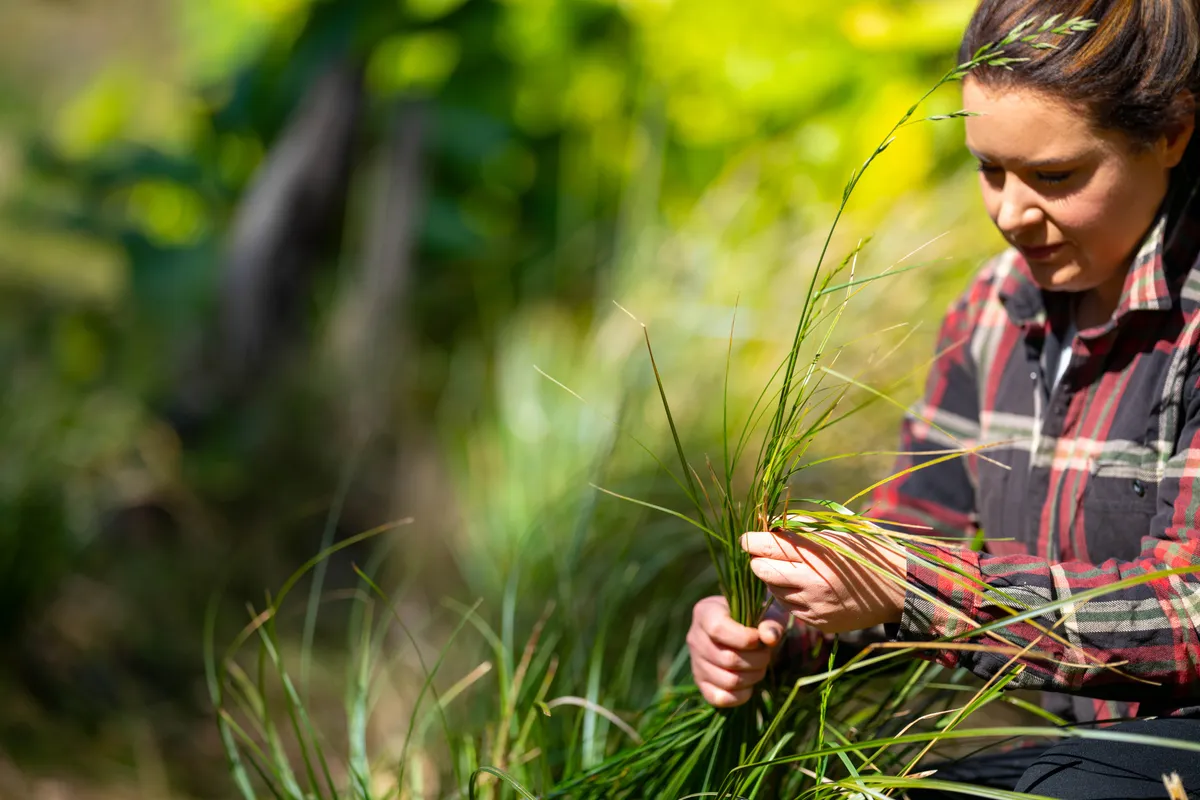
What is the Certificate in Beef Cattle & Pasture Management?
The Certificate in Beef Cattle & Pasture Management is a self-paced online course in grazing-led beef production. It pairs a pasture management module (species selection, soil, water, weeds and grazing) with a beef cattle module (breeds, breeding, nutrition, health and production systems), so you can turn the grass you grow into kilograms of beef. It suits graziers, stock workers and new landholders.
Course overview
From the paddock to the scales
How much beef can your paddocks grow? On a grazing property, the answer starts with the pasture, not the cattle. This course teaches both sides of that equation: how to grow more, better-quality feed, and how to manage a herd so it converts that feed into weight gain efficiently.
- Build better pasture – Understand how pasture plants grow, and choose grass and legume species to suit your site and your cattle.
- Feed it from the ground up – Manage soil fertility and water, and control the pests, diseases and weeds that cut pasture growth.
- Graze for growth – Establish new pasture, renovate tired paddocks and manage grazing so pasture and cattle both perform.
- Match the herd to the feed – Learn cattle nutrition and protein needs, breeding and calving, herd health and the difference between extensive and intensive systems.
Want to get more beef off the same country? Start with what's growing under their feet.
Who this course is for
- Graziers and beef producers who want to lift carrying capacity and weight gain from their pastures.
- Stockpeople on grazing properties who want to understand the pasture decisions behind rotations and stocking.
- New landholders setting up a block for cattle who need to know what to sow and how many head it will run.
- Mixed farmers with pasture phases in their rotation who want to run cattle more profitably.
What you'll study
You'll begin with a short Student Induction module that gets you set up on the learning platform. Then you'll complete two core modules.
Module 1: Pasture Management (approx. 100 hours)
The foundation of this certificate. You'll learn to grow pasture as deliberately as any crop, because in grazing-led beef it is your main crop.
- Introduction to Pasture Management – the purpose of pasture, and land, location and site requirements.
- Pasture Anatomy – how pasture plants are structured and grow.
- Pasture Selection – choosing grass and legume species for site and purpose.
- Soil Management – soils and fertility for productive pasture.
- Water Management – water supply and use for pasture.
- Pest, Disease, and Weed Management – identifying and controlling pasture threats.
- Machinery and Equipment – equipment used to establish and maintain pasture.
- New Pasture and Growth Management – sowing new pasture and managing early growth.
- Existing Pasture Growth and Management – renovating existing pasture and managing grazing.
Module 2: Beef Cattle Farming (approx. 100 hours)
The animals that harvest your pasture. You'll learn how breeding, nutrition and health decide how well a herd turns feed into beef.
- Breeds – anatomy, world breeds, selection, and marking and tracking.
- Breeding – heritability, crossbreeding, calving percentage and weaning systems.
- Reproduction – fertility, pregnancy, calving and growth.
- Handling Cattle – yards, dehorning, castration, injecting, drenching and welfare.
- Nutrition – feed types, rations and lot feeding, minerals, toxicity and water.
- Plant Protein – protein types, amino acids and nitrogen conservation.
- Health – vital signs, body condition scoring and prevention.
- Disease – viral, bacterial, parasitic and protozoan diseases.
- Farm Management Part 1 – extensive and intensive systems, feedlots, commercial and stud herds.
- Farm Management Part 2 – transport, beef cuts, records, costs and the supply chain.
How you'll learn and be assessed
- Online, at your pace – study 24/7 on any device, and fit units around the seasons.
- Quizzes and tutor-marked assignments – a short online quiz after each unit, plus written assignments with personalised feedback from your tutor.
- Pasture and herd tasks – assignments on pasture anatomy and species selection, soil and water, pest management and grazing management, plus beef assignments including nutrition and herd management.
- Competency-based, no exams – if work isn't there yet, your tutor explains what to improve and you resubmit.
Tailor your course with add-on modules
Any certificate can be tailored with add-on modules from our catalogue. Pick up the extra skills your property or plans call for.
Animal Health
Recognise and respond to illness in livestock: signs and symptoms, how diseases are classified, caused, diagnosed and treated, and how animals heal. Grazing cattle face pasture-related health risks, such as bloat and worms; this helps you recognise and respond to problems sooner.
Farm Management
Run the farm as a business: farm and business planning, budgets and cash flow, staff, operations, business structures, WHS, land, water and soil management, and diversification. Puts a budget around your grazing plan. Want the business side too? Our Advanced Certificate in Beef Cattle Farming includes Farm Management, alongside the two modules in this course.
Soil Management
Get to know your soil: classification, properties and plant nutrition, soil testing, degradation problems like erosion and salinity, and practical soil management on farms, finishing with your own soil investigation. Pasture is only as good as the soil under it; this adds soil testing and a hands-on soil investigation.
Ask a course consultant about adding modules when you enrol.
Career pathways and earning potential
Pasture and grazing knowledge is useful wherever cattle are run on grass, from family farms to larger grazing properties. Roles graduates often explore include:
- Stockperson on a grazing property – moving cattle through rotations, checking feed and water, and monitoring herd condition. Stockperson average $67,500 (most common $65k–$75k, advertised salaries), Jora.
- Grazier or grazing property manager – planning stocking rates, pasture renovation and herd performance. Livestock Manager median $110,000 (typical $105k–$120k, advertised salaries), SEEK.
- Rural merchandise sales (seed and fertiliser) – advising graziers on pasture species, fertiliser and weed control.
Figures are advertised salaries (SEEK, Jora) or median full-time earnings (Jobs and Skills Australia), accessed October 2026. Pay varies with experience, location and employer. Figures are a guide only.
Course details
- Study mode
- 100% online, self-paced
- Core modules
- 2 (plus Student Induction)
- Study time
- approx. 200 hours at your own pace (most students finish in 10–15 weeks)
- Access
- 12 months
- Support
- tutor support 6 days a week
- You'll receive
- Certificate of Completion, Certificate of Attainment and transcript
- Payment
- upfront or interest-free payment plan
Download your Certificate in Beef Cattle & Pasture Management brochure
Every pasture and beef unit, plus assessment and payment options.
Frequently asked questions
There's no single number: it depends on your pasture, rainfall, soil fertility, the season and the size and class of cattle. Graziers often measure carrying capacity in dry sheep equivalents (DSE) per hectare, with a breeding cow counted as several DSE. Improved pasture in a high-rainfall district can carry many times more than native pasture in drier country. This course teaches you to judge the pasture side of that equation.
More questions? See our full FAQs or speak to a course consultant.
Related courses
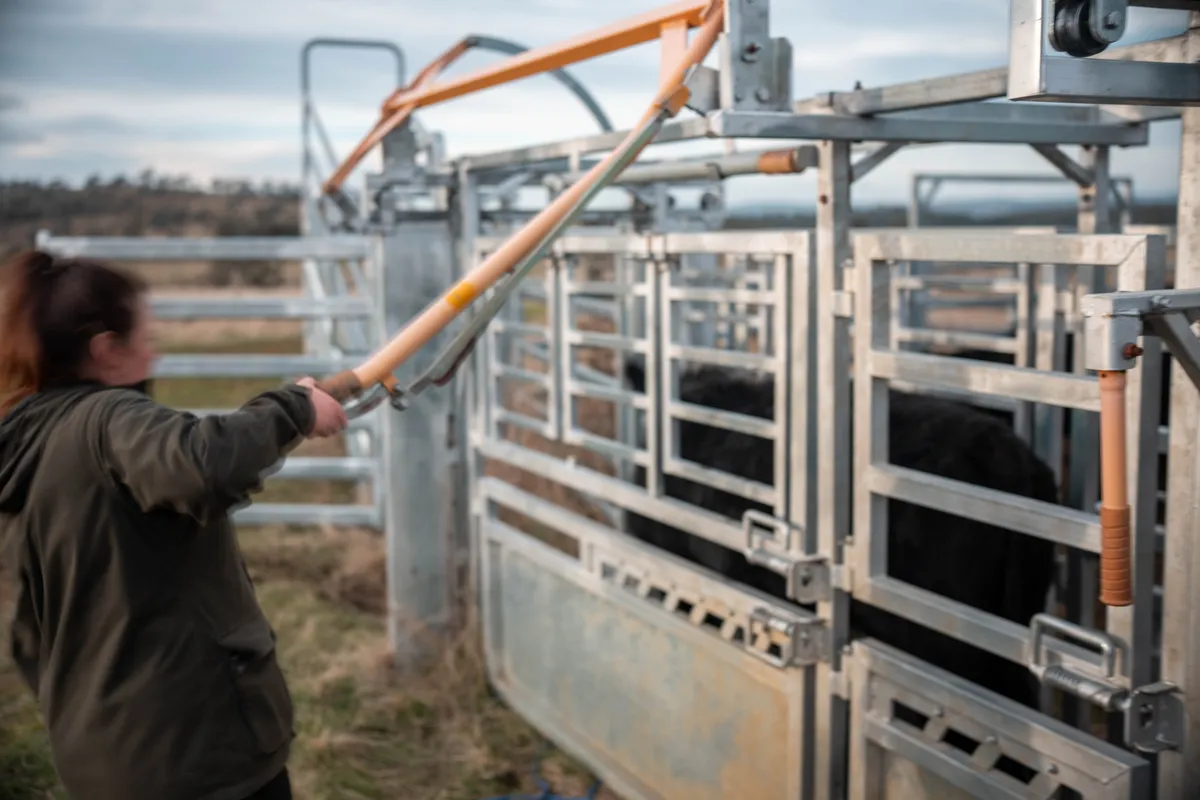
Advanced Certificate in Beef Cattle Farming
Livestock & Farm Management
These two modules plus Farm Management, for the complete beef enterprise.
Advanced Certificate · 3 core modules · approx. 300 hours
View course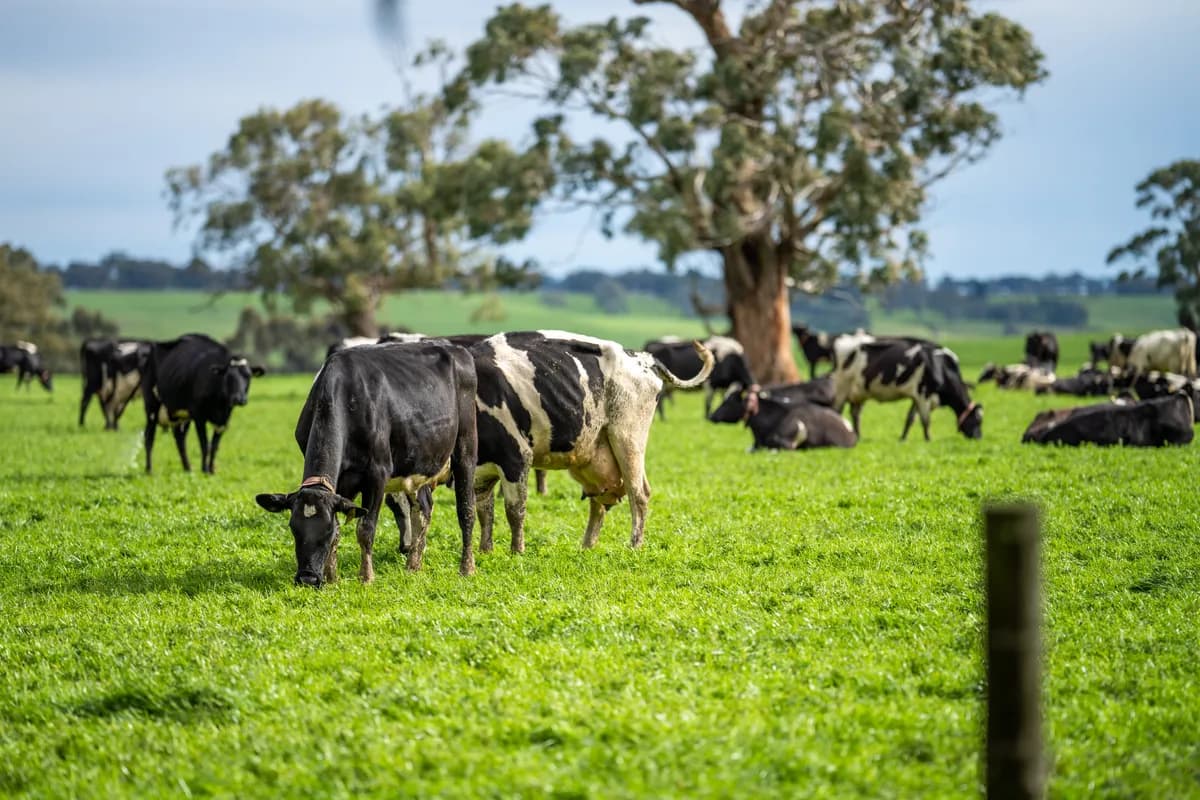
Certificate in Dairy Cattle & Pasture Management
Livestock & Farm Management
The same pasture module, applied to a dairy herd.
Certificate · 2 core modules · approx. 200 hours
View course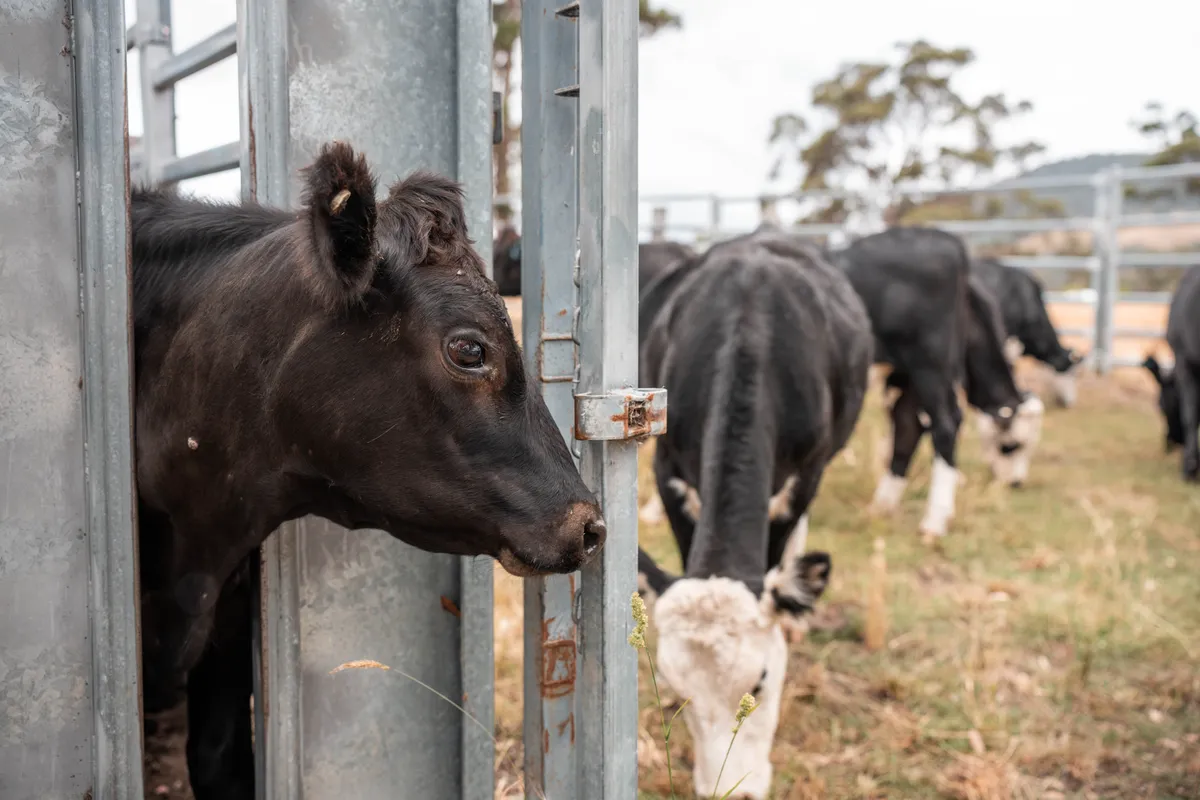
Advanced Certificate in Livestock Management
Livestock & Farm Management
Pairs Pasture Management with animal health and nutrition for any grazing species.
Advanced Certificate · 3 core modules · approx. 300 hours
View courseReady to grow more beef from the same paddocks?
Talk to a course consultant about the Certificate in Beef Cattle & Pasture Management and how it suits your country.