
Livestock & Farm Management Courses
Certificate in Sheep & Dairy Cattle Farming (Online)
Wool, lamb and milk: livestock skills that travel between farms.
Learn to work a commercial flock and a dairy herd in one mixed livestock course, so you can take on work across more farms or run a diversified small property, online and at your own pace.
- 100% online
- 2 core modules
- approx. 200 study hours
- 12 months' access
- Tutor support 6 days a week
- Certificate + transcript
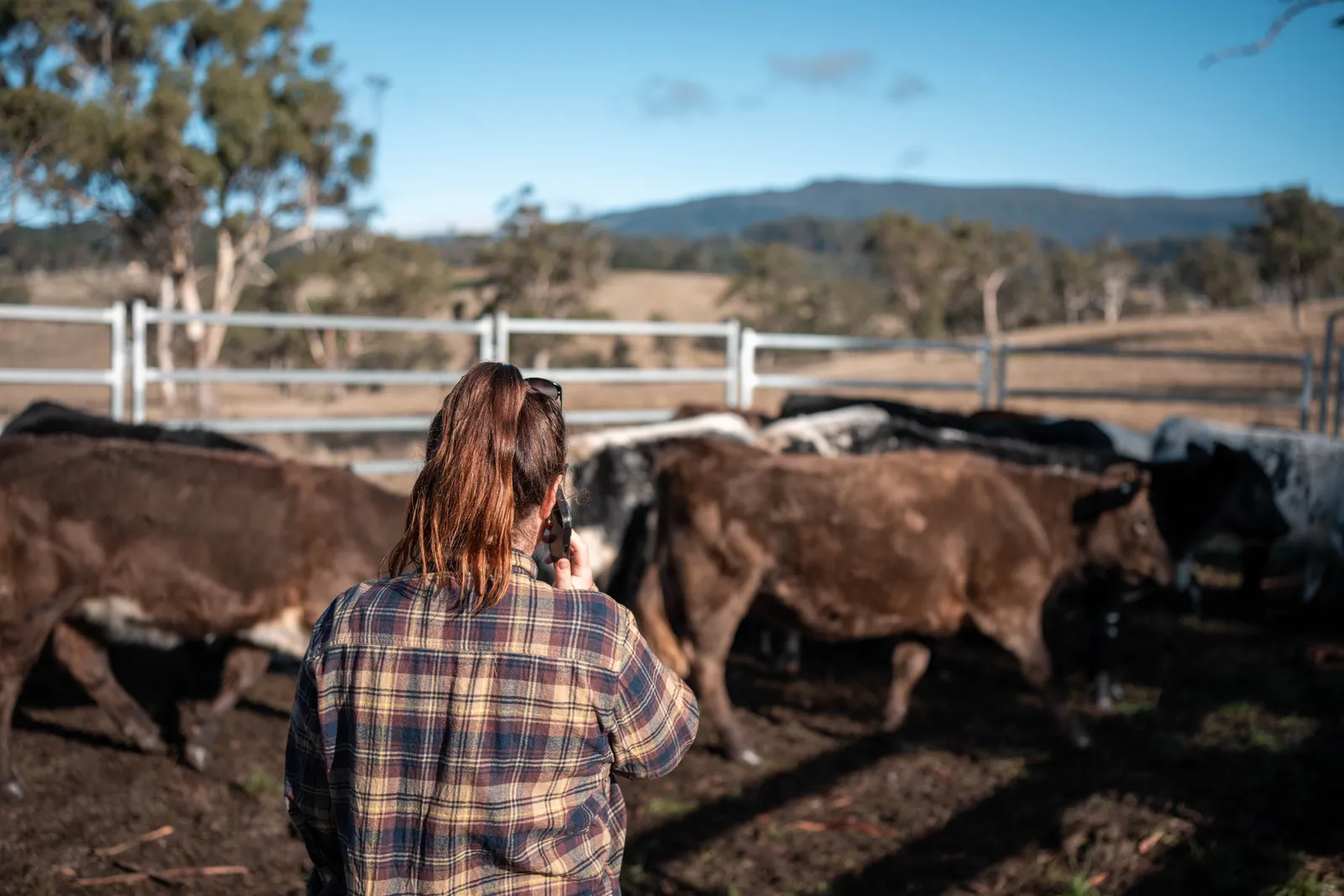
What is the Certificate in Sheep & Dairy Cattle Farming?
The Certificate in Sheep & Dairy Cattle Farming is a self-paced online mixed livestock course covering two enterprises: sheep for wool and meat, and cattle for milk. Across two modules (Sheep Farming and Dairy Cattle Farming) you'll learn breeding, lambing and calving, nutrition, health, handling, milking and herd records. It suits versatile farm workers and diversified small properties.
Course overview
Two livestock industries, one set of skills you can take anywhere
What if you could say yes to work on the dairy down the road and the sheep place next door? On the surface they're very different businesses: one runs to the seasonal rhythm of joining, lambing and shearing, the other to the daily rhythm of milking. Underneath, many skills carry across, including breeding, nutrition, health checks, handling and record-keeping. This course teaches both side by side, so you learn where they overlap and where they don't.
- Breeding across two species – Compare sheep and dairy breeds, plan mating programs, and understand AI, performance testing and inbreeding risk in a dairy herd.
- Lambing and calving – Manage lamb husbandry and rearing, then dairy reproduction, calving and heifer growth.
- Milking and the dairy routine – Learn how milking machines and shed types work, the milking shed routine, and how to prevent milk spoilage and mastitis.
- Wool, meat and milk – Cover wool production and handling, prime lamb and mutton, transport and logistics, and dairy herd records and welfare.
Ready to be the worker who can step in wherever you're needed?
Who this course is for
- Farm workers who want to be employable on more properties, from dairies to sheep farms and mixed livestock operations.
- Relief and seasonal workers who move between farms at busy times such as calving, lambing and shearing.
- Owners of diversified small properties running a small flock alongside a few dairy cows, or planning to.
- School leavers and career changers who know they want to work with livestock but haven't yet chosen a sector. (Under 18? We'll chat with a parent or guardian first.)
What you'll study
You'll start with a short Student Induction module that sets you up on the learning platform and introduces your tutor. Then you'll complete two core modules, one for each enterprise.
Module 1: Sheep Farming (approx. 100 hours)
The wool-and-meat half of the course. You'll learn how a commercial flock is bred, lambed, fed and kept healthy, and how its products reach market: the seasonal side of livestock work.
- Breeds – sheep breeds and what they're used for.
- Breeding – selection and mating programs.
- Lamb Husbandry – lambing, and caring for and rearing lambs.
- Nutrition and Feeding – what sheep need to eat and how they're fed.
- Health and Disease – common conditions, prevention and treatment.
- Handling – low-stress handling, yards and routine husbandry.
- Infrastructure and Equipment – facilities and equipment for sheep.
- Wool – wool production and handling.
- Meat Production – producing prime lamb and mutton.
- Transport and Logistics – moving stock and getting product to market.
- Farm Management – running a sheep enterprise.
Module 2: Dairy Cattle Farming (approx. 100 hours)
The milk half. You'll learn how dairy cows are bred, fed, milked and kept healthy, and how dairy herd records and infrastructure are managed. After Module 1, much of the breeding and health thinking will feel familiar. The milking shed won't.
- Breeds – dairy cattle anatomy, breed selection criteria, local and international dairy breeds, and identification.
- Breeding – breeding programs, bull value, family grouping, inbreeding, performance testing and AI.
- Reproduction – fertility, pregnancy and calving, the mammary gland and milk composition.
- Facilities & Equipment – husbandry procedures, milking equipment and machines, shed types and preventing milk spoilage.
- Nutrition – feed types, rations, vitamins and minerals, deficiencies, toxicity and water.
- Growth & Feeding – heifer growth, feeding through lactation, ration calculations and feed-flow planning.
- Health – vital signs, body condition, health issues and prevention.
- Diseases – mastitis management, dry-cow therapy and other common diseases.
- Dairy Cattle Management – records, herd replacement, financial and health management, and welfare.
- Infrastructure and Natural Resource Management – planning a new dairy, siting, the milking shed routine and the dairy room.
How you'll learn and be assessed
- Online, in your own time – log in 24/7 from any device, and keep studying while you move between jobs and farms.
- Quizzes after each unit – short online quizzes help you check what you've learned.
- Tutor-marked assignments – sheep assignments cover breeds, health and disease, handling, wool and meat, and management; dairy assignments cover breed and breeding, equipment, nutrition, health and dairy farm management. Each comes back with personalised feedback.
- Dairy calculations and competency-based marking – you'll work through ration calculations and a feed-flow scenario. If an assignment isn't quite there, you resubmit after feedback. Tutor support is available 6 days a week by phone, email or video call, and there are no exams to sit in a centre.
Tailor your course with add-on modules
Any certificate can be tailored with add-on modules from our catalogue, so you can pick up extra skills that match your property, business or career plans. Ask a course consultant about adding modules at enrolment or during your studies.
Farm Management
Run the farm as a business: farm and business planning, budgets and cash flow, staff, operations, business structures, WHS, land, water and soil management, and diversification. Especially useful if you run your own diversified property and need to plan and budget two enterprises with very different working calendars.
Pasture Management
Grow more feed from the same paddocks: pasture plants and species selection, soil and water, pests and weeds, machinery, establishing new pasture and managing grazing. Milking cows and sheep both depend on pasture, and this module shows you how to grow and allocate enough for each.
Animal Health
Recognise and respond to illness in livestock: signs and symptoms, how diseases are classified, caused, diagnosed and treated, and how animals heal. Working with two species means meeting more health problems, and this module gives you the disease principles that apply to both.
Ask a course consultant about adding modules when you enrol.
Career pathways and earning potential
Being able to work with both sheep and dairy cattle widens the range of farms that can use you. Roles graduates often explore include:
- Dairy farm hand – milking, calf rearing, feeding and herd checks on a commercial dairy. Advertised average $72,500 (most common $70k–$75k), Jora.
- Sheep farm hand or station hand – lamb marking, drenching, crutching, feeding and yard work. Station hand: advertised average $67,500 (most common $65k–$75k), Jora.
- Relief or mixed livestock worker – filling in across dairies and sheep properties at peak times. Award minimum $978.10/week ($25.74/hr) for a level 1 farm and livestock hand from 1 July 2026, Fair Work Ombudsman (Pastoral Award).
Figures are advertised salaries (SEEK, Jora) or median full-time earnings (Jobs and Skills Australia), accessed October 2026. Pay varies with experience, location and employer. Figures are a guide only.
Course details
- Study mode
- 100% online, self-paced
- Core modules
- 2 (plus Student Induction)
- Study time
- approx. 200 hours at your own pace (most students finish in 10–15 weeks)
- Access
- 12 months
- Support
- tutor support 6 days a week
- You'll receive
- Certificate of Completion, Certificate of Attainment and transcript
- Payment
- upfront or interest-free payment plan
Download your Certificate in Sheep & Dairy Cattle Farming brochure
See every unit, how assessment works and your payment options.
Frequently asked questions
No. You don't need experience, land or livestock, and no prior study is needed. Each module starts with breeds. If you're already working on a farm, you can apply what you learn straight away. If not, base your assignments on a property you can visit or research.
More questions? See our full FAQs or speak to a course consultant.
Related courses
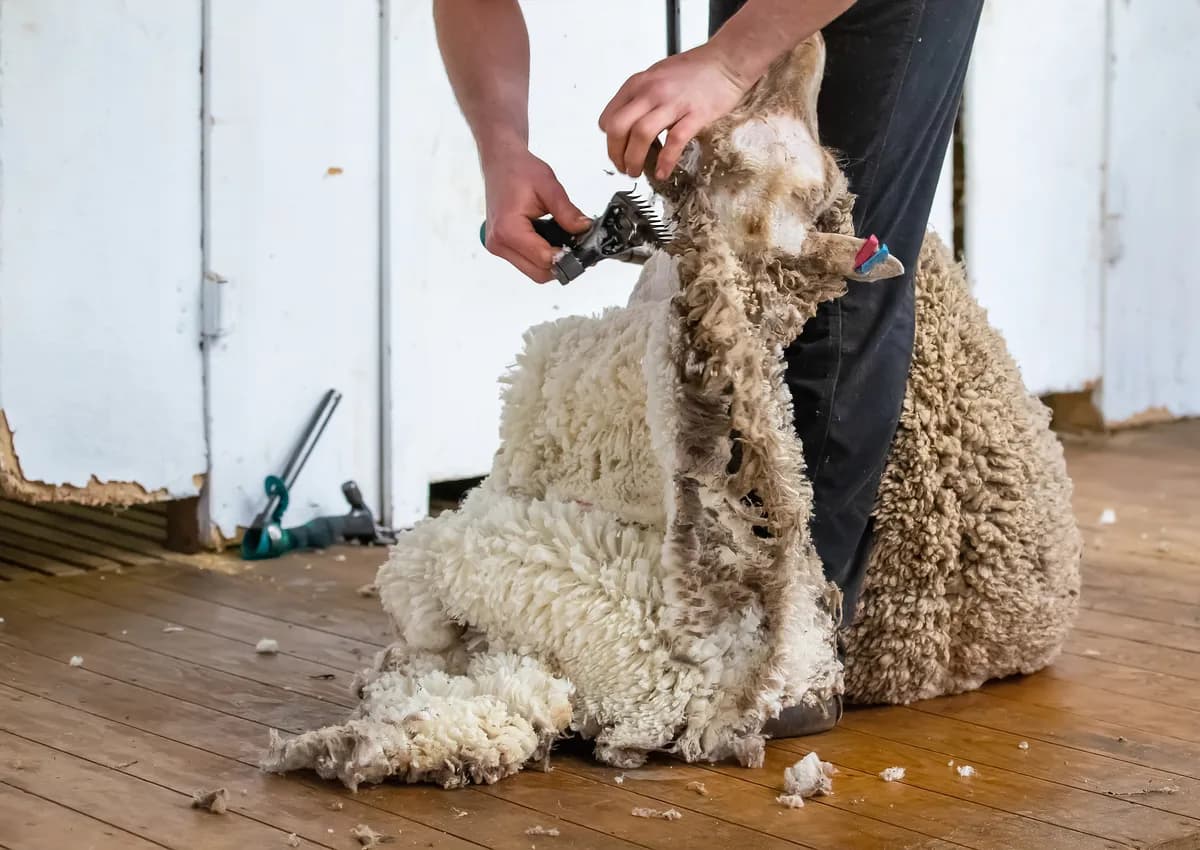
Certificate in Sheep & Beef Farming
Livestock & Farm Management
Keep the sheep and swap dairy for beef cattle: the classic mixed grazing combination.
Certificate · 2 core modules · approx. 200 hours
View course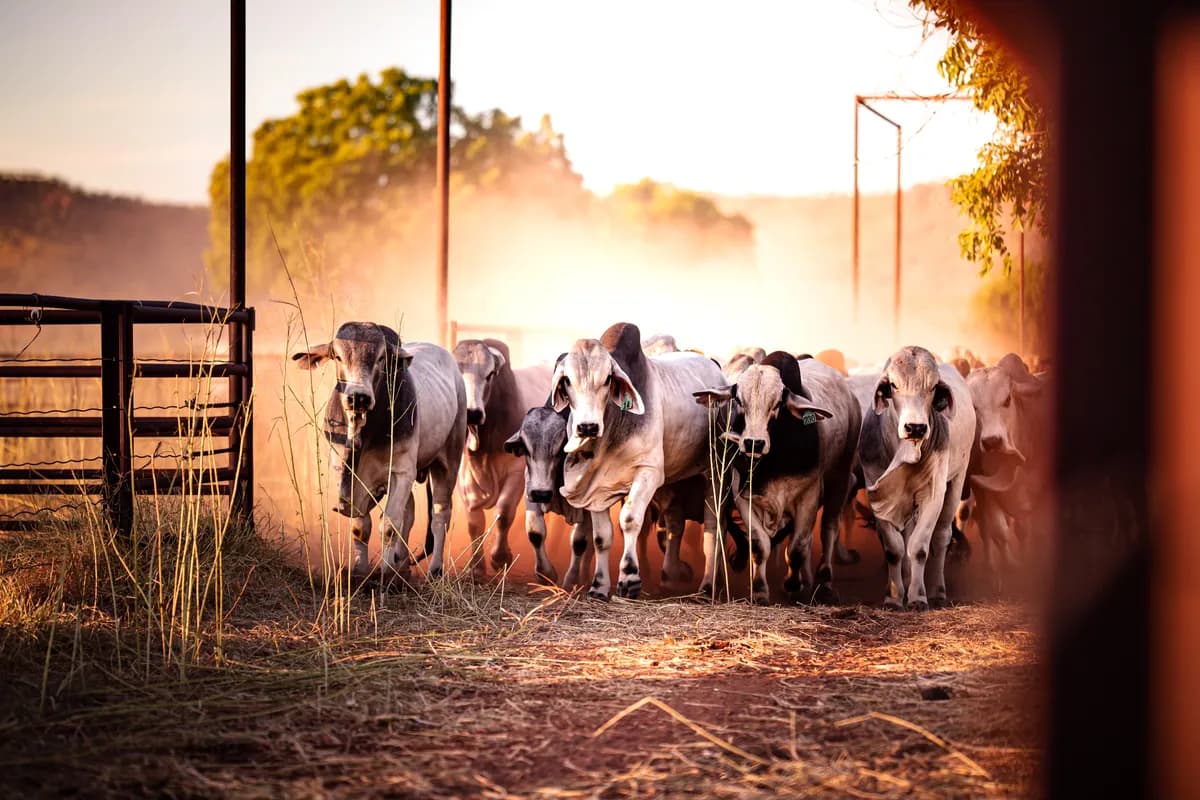
Certificate in Beef & Dairy Cattle Farming
Livestock & Farm Management
Focus on cattle, and work across both beef and milking herds.
Certificate · 2 core modules · approx. 200 hours
View course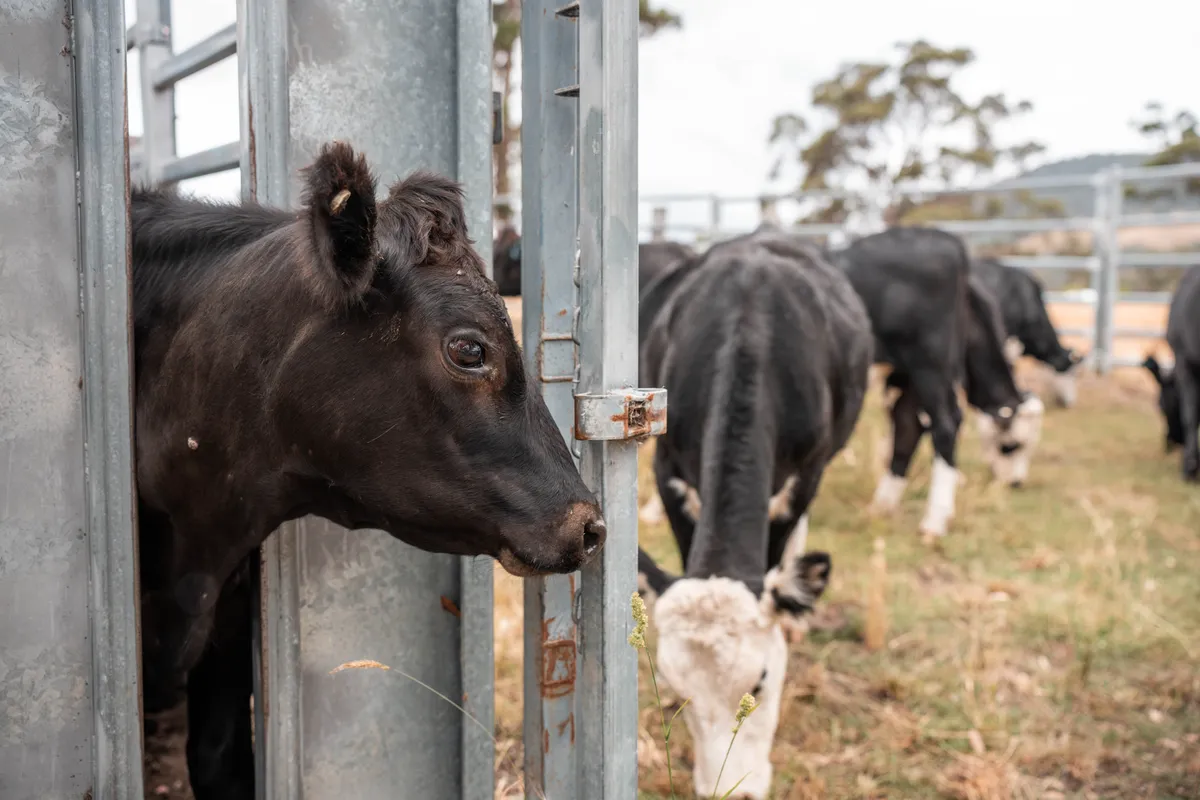
Advanced Certificate in Livestock Management
Livestock & Farm Management
A step up into broader livestock health and nutrition.
Advanced Certificate · 3 core modules · approx. 300 hours
View courseReady to widen the work you can say yes to?
Talk to a course consultant about the Certificate in Sheep & Dairy Cattle Farming and the farms it could open up for you.