
Livestock & Farm Management Courses
Advanced Certificate in Livestock Management Course (Online)
Keep stock healthy, well fed and on good pasture, whatever you run.
Learn to spot illness early, work out what a feed is really worth, calculate a ration and manage the pasture your animals depend on. It's online, self-paced and backed by a tutor 6 days a week.
- 100% online
- 3 core modules
- approx. 300 study hours
- 12 months' access
- Tutor support 6 days a week
- Certificate + transcript
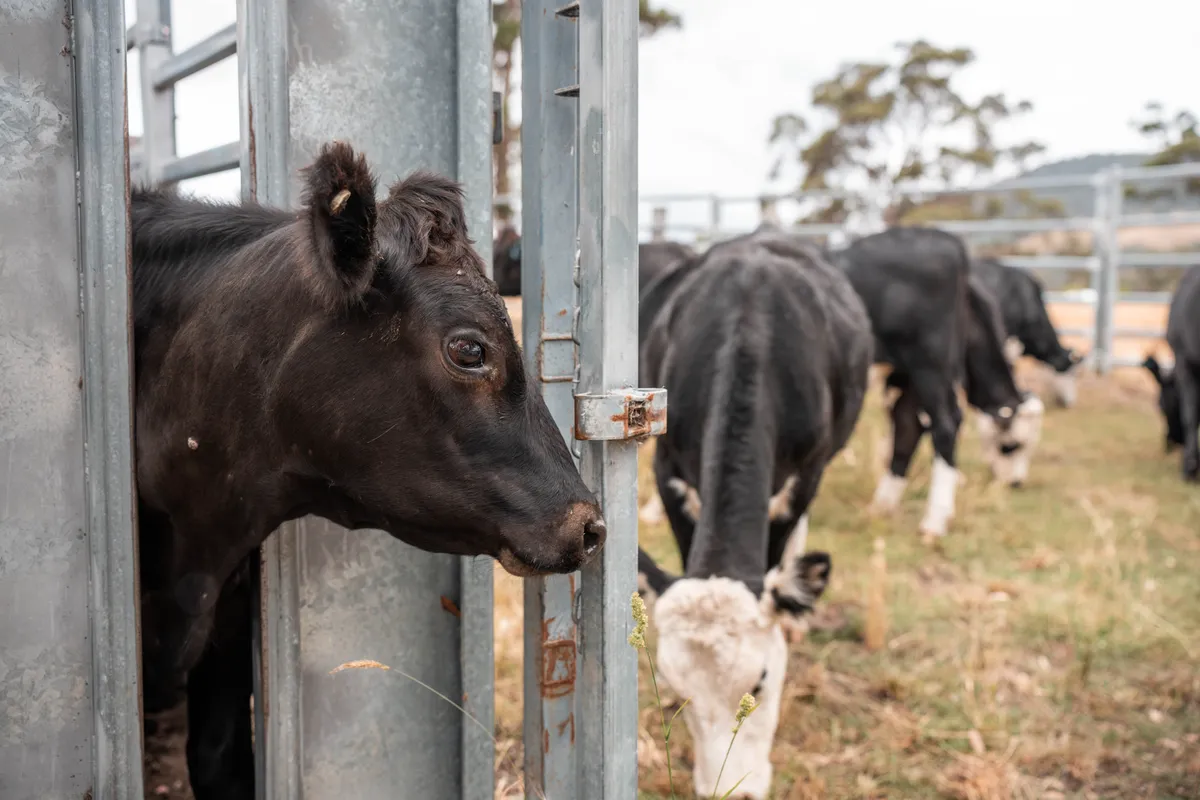
What is the Advanced Certificate in Livestock Management?
The Advanced Certificate in Livestock Management is a self-paced online course in the three things every stock manager answers for: animal health, feed and nutrition, and pasture. You'll learn how disease is recognised, diagnosed and treated, how to evaluate feeds and calculate rations, and how to establish and manage grazing pasture. It suits livestock workers and managers on any grazing enterprise.
Course overview
Healthy animals, the right feed, good pasture
Is that steer just quiet, or is it crook? Is the hay you bought worth the money? Will the paddock carry the mob through winter? Stock managers make calls like these every day. This course gives you the knowledge behind them, and because it isn't tied to one species, it applies to cattle, sheep or a mix.
- Read the signs of ill health – Recognise symptoms, understand how diseases are classified and caused, and know how they're diagnosed and treated.
- Understand how animals heal – Learn how inflammation, fever, immunity and tissue repair work, and how wounds are cared for.
- Value a feed and build a ration – Break feeds into their components, judge digestibility, classify feeds and work through three units of ration calculations.
- Manage the feed base – Select pasture species, manage soil, water, pests and weeds, and establish and renovate pasture for grazing.
If you're the one answerable for how the stock are going, this course is built for you.
Who this course is for
- Stock hands and feedlot workers who want to understand the health and feeding decisions they carry out.
- Livestock overseers and managers responsible for herd or flock health, feed budgets and pasture.
- Small-acreage owners with a few cattle, sheep or other grazing animals who want to look after them properly.
- People heading into rural supply or animal-health product work who need a grounding in disease and nutrition.
What you'll study
You'll start with a short Student Induction module that sets you up on the learning platform. Then you'll complete three core modules.
Module 1: Animal Health (approx. 100 hours)
The health side of stock management: how to tell an animal is unwell, what's likely causing it and what happens next.
- Introduction to Animal Health – health versus disease, and the scope of animal health.
- Signs & Symptoms of Diseases – recognising ill health in livestock.
- Disease Classification – how diseases are grouped, such as infectious and metabolic.
- Causes and Diagnosis of Disease – disease agents and how diagnoses are made.
- Treatment of Disease – treatment options and principles.
- Inflammation – how the inflammatory process works.
- Fever and Immunity – fever and how the immune system responds.
- Tissue Repair – how damaged tissue heals.
- Wounds – wound types and their care.
- Cell Changes – how cells change in disease.
Module 2: Animal Feed and Nutrition (approx. 100 hours)
The calculation-heavy module. You'll learn to judge a feed on what it delivers, not what it costs, and build rations step by step.
- Introduction to Animal Foods – the role of feed and the types of animal food.
- Food Components: Carbohydrates and Fats – the energy sources in feed.
- Food Components: Proteins, Minerals and Trace Elements – protein and mineral nutrition.
- Evaluating Foods and Digestibility – measuring what a feed is worth to the animal.
- Classifying Foods Part A – feed classes, part one.
- Classifying Foods Part B – feed classes, part two.
- Classifying Foods Part C – feed classes, part three.
- Calculating Rations Part A – the basics of ration formulation.
- Calculating Rations Part B – ration calculations continued.
- Calculating Rations Part C – applied ration problems.
Module 3: Pasture Management (approx. 100 hours)
Grazing animals get much of their feed from the paddock. This module turns nutrition theory into a pasture you can manage.
- Introduction to Pasture Management – why pasture matters, and site requirements.
- Pasture Anatomy – the structure of pasture plants.
- Pasture Selection – grass and legume species for site and purpose.
- Soil Management – soils and fertility for pasture.
- Water Management – water supply and use for pasture.
- Pest, Disease, and Weed Management – identifying and controlling pasture threats.
- Machinery and Equipment – equipment to establish and maintain pasture.
- New Pasture and Growth Management – sowing and early growth.
- Existing Pasture Growth and Management – renovating pasture and managing grazing.
How you'll learn and be assessed
- Study online, any time – materials, quizzes and assignments are on the learning platform 24/7, on any device.
- A quiz and an assignment for every lesson – in Animal Health and Animal Feed and Nutrition, each lesson has a short quiz and a written assignment (some with checkpoint tasks), marked by your tutor with personalised feedback.
- Ration calculations you'll actually use – three units of step-by-step ration problems, plus pasture establishment and grazing management tasks.
- Competency-based, no exams – if something isn't quite there yet, your tutor tells you what to improve and you resubmit.
Tailor your course with add-on modules
Any certificate can be tailored with add-on modules from our catalogue, so you can apply your health and nutrition knowledge to a specific enterprise. Ask a course consultant about adding modules at enrolment or during your studies.
Beef Cattle Farming
The full beef enterprise: breeds, breeding and calving, low-stress handling, nutrition, health and disease, production systems and feedlots, through to transport, records and supply chains. Puts your health and ration skills to work on a beef herd.
Farm Management
Run the farm as a business: farm and business planning, budgets and cash flow, staff, operations, business structures, WHS, land, water and soil management, and diversification. For managers who also carry the budget. If beef is your focus, our Advanced Certificate in Beef Cattle Farming combines Farm Management with Beef Cattle Farming and Pasture Management.
Sheep Farming
Commercial sheep production for wool and meat: breeds and breeding, lambing, nutrition, health, handling, infrastructure, wool, prime lamb, transport and flock management. Applies what you've learned to a flock. Want sheep, beef and the business side as well? Our Agriculture Certificate in Livestock includes all three alongside Pasture Management.
Agricultural Marketing
Sell what you grow for a better return: marketing strategy, target markets, produce handling, customer relationships, market research and promotion. Helps you get a better price for well-managed stock.
Ask a course consultant about adding modules when you enrol.
Career pathways and earning potential
Health, nutrition and pasture skills sit at the centre of most livestock roles. Roles graduates often explore include:
- Livestock manager or overseer – running stock health programs, feed budgets and grazing plans on a property. Livestock Manager median $110,000 (typical $105k–$120k, advertised salaries), SEEK.
- Stock hand or feedlot hand – daily checks, feeding, treating and moving stock. Stockperson average $67,500 (most common $65k–$75k, advertised salaries), Jora.
- Rural merchandise sales – advising producers on feed, supplements and animal-health products.
Figures are advertised salaries (SEEK, Jora) or median full-time earnings (Jobs and Skills Australia), accessed October 2026. Pay varies with experience, location and employer. Figures are a guide only.
Course details
- Study mode
- 100% online, self-paced
- Core modules
- 3 (plus Student Induction)
- Study time
- approx. 300 hours at your own pace (most students finish in 15–20 weeks)
- Access
- 12 months
- Support
- tutor support 6 days a week
- You'll receive
- Certificate of Completion, Certificate of Attainment and transcript
- Payment
- upfront or interest-free payment plan
Download your Advanced Certificate in Livestock Management brochure
Every unit, how assessment works and your payment options.
Frequently asked questions
A livestock manager is responsible for the health, feeding and welfare of the stock on a property. Day to day that means checking animals for illness, organising treatments, planning feed, managing pasture and grazing, and handling stock with low stress. On larger properties it includes supervising staff and keeping records.
More questions? See our full FAQs or speak to a course consultant.
Related courses
Agriculture Certificate in Livestock
Livestock & Farm Management
Our most comprehensive livestock course, built around beef cattle, sheep, pasture and farm business.
Agriculture Certificate · 4 core modules · approx. 400 hours
View course
Advanced Certificate in Beef Cattle Farming
Livestock & Farm Management
Shares the Pasture Management module, with the focus on running a beef enterprise.
Advanced Certificate · 3 core modules · approx. 300 hours
View course
Advanced Certificate in Agriculture
Agriculture & Crop Science
Includes Animal Health alongside farm business and agricultural marketing.
Advanced Certificate · 3 core modules · approx. 300 hours
View courseReady to take charge of how your stock are going?
Talk to a course consultant about where the Advanced Certificate in Livestock Management can take you.