
Livestock & Pasture
Spring Lambing Checklist: Pasture & Nutrition Tips
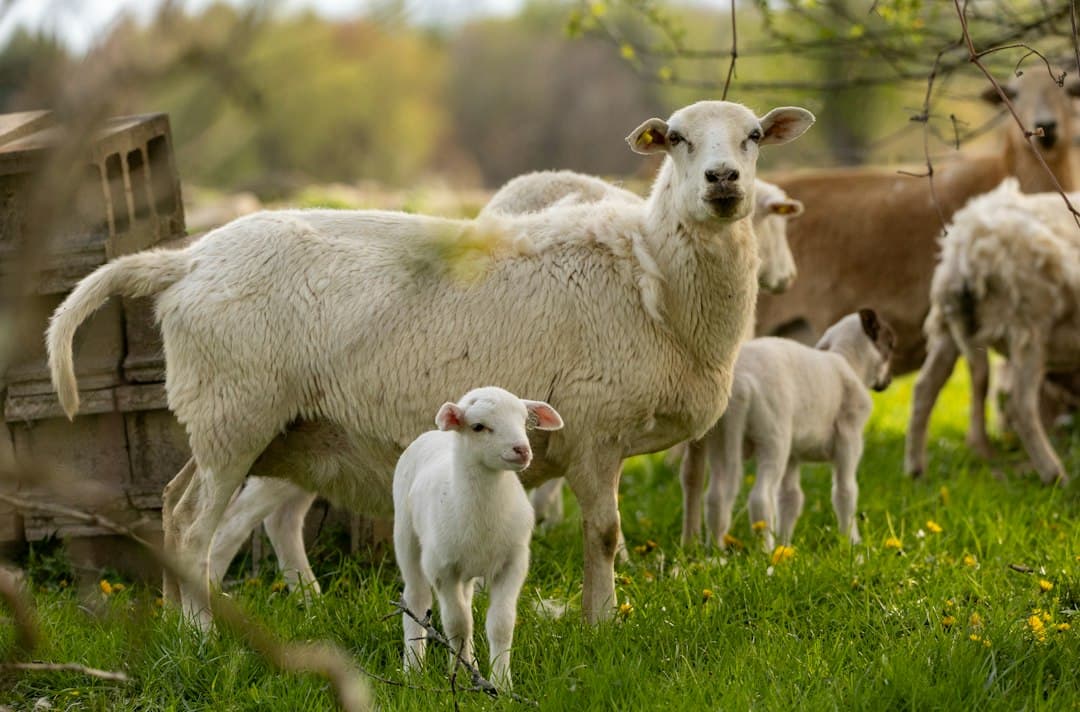
Spring lambing is one of the most exciting times on any sheep property, but it can also feel overwhelming if it's your first season or you're managing a growing flock. A little preparation goes a long way towards healthy ewes, strong lambs and a smoother lambing period overall. This spring lambing checklist walks you through the pasture and nutrition basics every beginner should have sorted before the first lamb hits the ground.
Getting Paddocks Ready for Lambing
Good pasture management starts weeks, not days, before lambing begins. Walk your paddocks and check pasture height, density and any signs of overgrazing. Ewes in late pregnancy need shelter from wind and rain, so make sure lambing paddocks have windbreaks, hedgerows or hilly contours that lambs can tuck into during cold snaps. Low-lying, boggy areas should be fenced off, as damp ground is a breeding ground for footrot and other infections.
It's also worth separating ewes by condition score and expected lambing date, placing twin and triplet-bearing ewes on your best quality pasture since they have higher energy demands. If you're unsure how to assess pasture quality or match stocking rates to paddock capacity, a structured course such as the certificate in pasture and feed management can help you build these skills with confidence before the season gets busy.
Don't forget biosecurity basics either — clean water troughs, check fencing for gaps predators could exploit, and have a quiet, accessible area set aside for ewes that need extra attention or assistance during birthing. Many new producers also find it useful to study sheep and cattle farming principles more broadly, as paddock rotation and lambing management often overlap with wider grazing strategies used across the farm.
Nutrition for Ewes Pre- and Post-Lambing
Nutrition is arguably the single biggest factor influencing lamb survival and ewe health through spring. In the final six weeks of pregnancy, lambs do roughly 70 percent of their growth, so ewes need a noticeable lift in energy and protein intake. Underfeeding during this window is one of the most common beginner mistakes, often leading to pregnancy toxaemia, weak lambs or poor milk supply after birth.
Aim to body condition score your ewes regularly and adjust feed accordingly — thin ewes need supplementary grain or quality hay well before lambing starts, not after. Fresh, clean water is just as critical as feed, especially as temperatures begin to rise. Mineral supplementation, particularly calcium and magnesium, can also help prevent metabolic issues around lambing time.
If nutrition planning feels like a steep learning curve, it's genuinely one of the most valuable areas to invest time in. Courses like the certificate in livestock or the more specialised agriculture certificate in livestock cover feed budgeting, ration formulation and seasonal nutrition planning in practical, farmer-friendly detail. Getting this right doesn't just help this lambing season — it builds a foundation you'll use every year going forward.
Monitoring Lambs and Flock Health
Once lambing is underway, daily paddock checks become essential. Look for lambs that are slow to rise, not feeding, or separated from their mothers, as early intervention can be the difference between life and death in the first 24 to 48 hours. Keep a simple record of birth dates, ewe condition and any assisted births — this information is gold for planning next season and identifying ewes that may need culling.
Have a basic lambing kit ready: iodine for navels, a thermometer, colostrum supplement, and clean towels for cold or weak lambs. Watch closely for signs of mastitis, metabolic disease or infection in ewes, and don't hesitate to call your vet early rather than waiting to see if things improve on their own.
If animal health is an area you'd like to strengthen, the certificate in animal health is a practical option that covers common livestock conditions, early warning signs and basic treatment approaches, giving you more confidence out in the paddock during these high-stakes weeks.
Set Yourself Up for a Smoother Season
Spring lambing rewards preparation far more than last-minute scrambling. By sorting your paddocks, lifting ewe nutrition ahead of time, and keeping a close eye on flock health once lambs arrive, you'll head into the season feeling far more in control — even if it's your very first year. Every small checklist item ticked off now is one less stress during the busy weeks ahead.
If you'd like to build real, practical confidence around pasture planning, livestock nutrition and animal health before next season rolls around, explore our certificate in sheep and cattle farming or get in touch with our team via the contact page to find the right course for where you're at. We're always happy to help you plan your next step on the land.
Want to go further?
Study online at your own pace with tutor support 5 days a week. A course consultant can help you choose the right certificate and add-on modules.
Speak to a Course Consultant