
Horticulture
What to Plant in October: Your Spring Vegie Guide
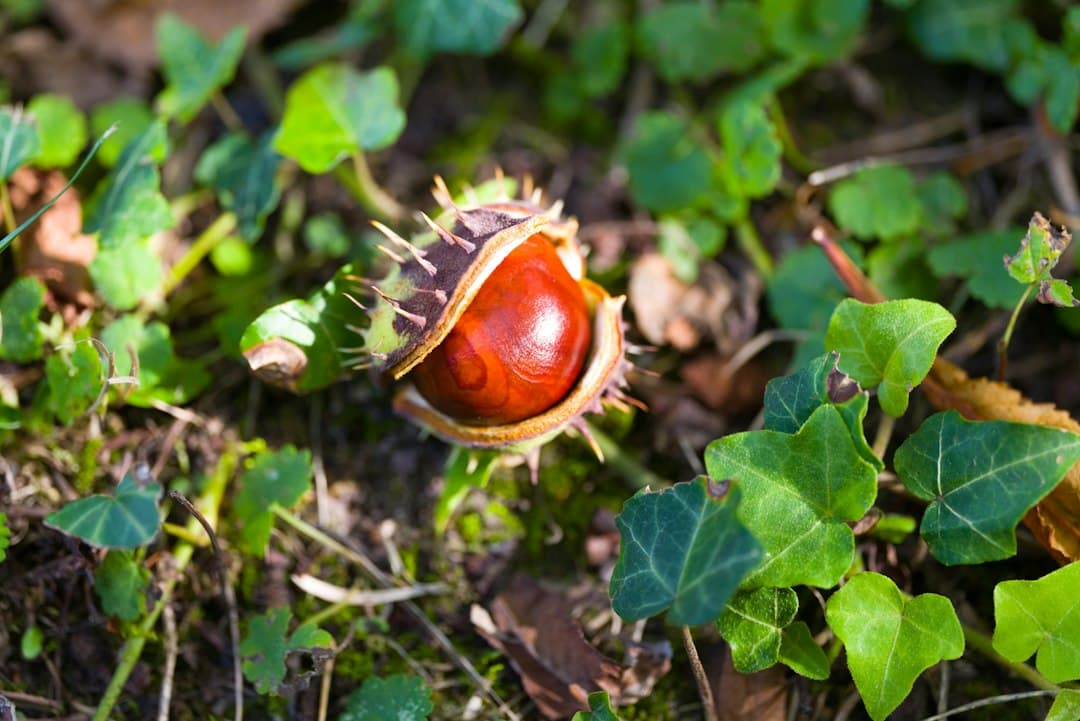
Spring has well and truly sprung, and if you're wondering what to plant in October, you're in exactly the right place. This is one of the busiest, most rewarding months in the vegie patch, with warming soil and longer days giving seeds and seedlings everything they need to take off. Whether you've got a sprawling backyard plot or a few pots on a sunny balcony, October is your cue to get planting.
Why October Is Prime Time for Spring Planting
Across most of Australia, October sits in that sweet spot between the last frosts and the full heat of summer. Soil temperatures are climbing, daylight hours are stretching out, and rainfall is usually still reliable enough to help young plants establish without constant watering. This combination makes it the perfect window to sow warm-season crops that need a head start before the peak of summer arrives.
If you're new to growing your own food, understanding your local climate and soil type is one of the most useful skills you can build. Courses like the Certificate in Horticulture walk beginners through exactly this kind of practical knowledge, from soil preparation to seasonal planting calendars, so you're not just guessing what works in your backyard.
For those keen to grow with fewer chemicals and a focus on soil health, it's also worth exploring the Certificate in Organic and Sustainable Farming, which covers composting, natural pest control and building healthier garden ecosystems from the ground up.
What to Plant in October: Vegetables to Sow Now
So, what should actually go in the ground this month? Here are some reliable spring favourites that love an October start:
- Tomatoes – Get seedlings in once overnight temperatures are reliably above 12°C. Stake them early so roots aren't disturbed later.
- Capsicum and chilli – These love warmth, so a sunny, sheltered spot will help them thrive.
- Zucchini and squash – Fast-growing and forgiving, perfect for beginner gardeners who want quick wins.
- Pumpkin – Give it plenty of space to sprawl; a single plant can produce a generous harvest.
- Sweet corn – Plant in blocks rather than single rows to help with pollination.
- Beans – Both climbing and dwarf varieties do well sown directly into warm soil.
- Cucumber – Loves heat and consistent moisture, so mulch well once planted.
- Basil – A classic companion for tomatoes, and it loves the same warm conditions.
If frosts are still a risk in your area, hold off on the most tender crops like capsicum and basil for a few more weeks, or start them indoors and transplant once the danger has passed.
Tips for Getting Your Spring Vegie Patch Off to a Strong Start
Getting the timing right is only part of the picture — healthy soil and good habits make the real difference. Before planting, dig in some well-rotted compost or aged manure to feed your soil's microbial life. Raised beds and well-drained pots are especially useful if your area gets heavy spring rain, since waterlogged roots are a common cause of failed seedlings.
Mulching early, rather than waiting until summer, helps lock in moisture and keeps weeds down while your plants are still small and vulnerable. It's also worth thinking ahead about pest and disease management; a little prevention now, like companion planting marigolds or netting brassicas, saves a lot of frustration later in the season.
If you want to build these skills more formally, the Advanced Certificate in Horticulture is a great next step once you've got the basics down, covering everything from plant propagation to integrated pest management for home and small-scale commercial growers alike. It's a popular choice for people who started out pottering in their own backyard and found they wanted to go deeper.
And don't underestimate the value of record-keeping. Jotting down what you planted, when, and how it performed turns every October into a better-informed planting season than the last.
Keep Learning and Growing
October is a genuinely exciting month to be in the garden, and getting your timing right now sets you up for a bountiful summer harvest. The most important thing for beginners is simply to start — choose a few crops from the list above, prepare your soil, and get planting while conditions are in your favour.
If this has sparked a bigger interest in growing food or plants more seriously, whether as a hobby or a future career, it's worth exploring your options properly. Head to our FAQs page for common questions about studying horticulture, or get in touch directly if you'd like guidance on which course best fits your goals.
Ready to turn your love of spring planting into real, practical skills? Explore the Certificate in Horticulture today and start building a garden — and a future — you're proud of.
Want to go further?
Study online at your own pace with tutor support 5 days a week. A course consultant can help you choose the right certificate and add-on modules.
Speak to a Course Consultant