
Crop & Soil
Cover Cropping Australia 101: Build Soil Health
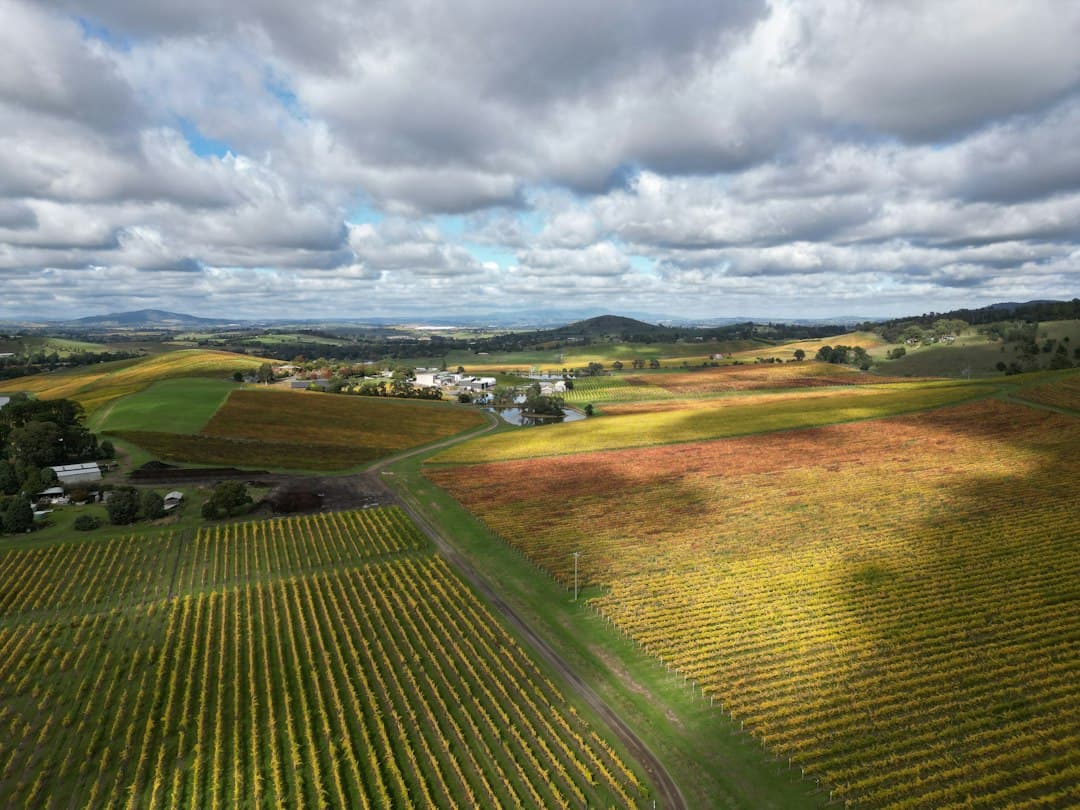
If you've been hearing a lot about cover cropping australia-wide lately, you're not imagining things. With unpredictable rainfall, rising input costs and a growing focus on regenerative practices, more paddocks across the country are being blanketed in cover crops between main harvests. The good news? You don't need a massive operation or years of experience to get started. This guide will walk you through the basics so you can give your soil a well-earned boost before the heat of summer sets in.
What Is Cover Cropping, Really?
At its simplest, a cover crop is a plant grown not for harvest, but to protect and feed the soil underneath it. Think of it as a living blanket that shields bare earth from erosion, suppresses weeds, and keeps the soil biology ticking along even when your cash crop isn't in the ground. Common choices across Australian farms include legumes like vetch and field peas, cereals such as oats and barley, and brassicas like tillage radish — often sown as a mix rather than a single species.
Each plant brings something different to the party. Legumes fix nitrogen, grasses build organic matter and structure, and deep-rooted brassicas break up compaction. The trick to successful cover cropping australia farmers swear by is matching your species mix to your soil type, climate zone and what you're hoping to achieve — whether that's better water infiltration, weed suppression, or simply more worms wriggling about.
If this sounds like exactly the kind of practical knowledge you want more of, courses like the Certificate in Sustainable Farm Management and the Agriculture Certificate in Crop and Soil Management dig much deeper into soil biology, nutrient cycling and crop rotation planning.
Why Bother Before Summer?
Timing matters enormously with cover crops, and the window before summer is one of the best opportunities you'll get all year. Here's why:
- Moisture retention: A good cover crop canopy reduces evaporation from bare soil, meaning more water stays available for the following season.
- Heat protection: Living roots and ground cover keep soil temperatures more stable, protecting the microbial life that does so much heavy lifting underground.
- Erosion control: Summer storms can be fierce. Root systems and surface residue help hold everything together when the rain finally arrives.
- Weed suppression: A thick, fast-growing cover crop out-competes many weeds before they get a foothold, saving you herbicide costs down the track.
For mixed farming operations, cover crops also do double duty as a grazing resource. If livestock are part of your system, it's worth exploring how cover crops fit into broader pasture planning through the Certificate in Pasture and Feed Management or the Certificate in Farm Management, both of which cover integrated paddock rotations in practical detail.
Getting Started: Keep It Simple
The biggest mistake beginners make is overcomplicating their first attempt. Start small — even a single paddock or a corner of one — and keep your species mix to three or four plants you can source easily and afford. A basic starter blend might include oats for quick ground cover, vetch for nitrogen, and a brassica for root structure.
Sowing rate and timing will depend heavily on your region, so it pays to check with your local agronomist or extension officer, or better yet, build that knowledge yourself. Terminating the cover crop is just as important as planting it — whether you're rolling, slashing, grazing or spraying it out, the goal is to return nutrients to the soil before your next cash crop goes in.
Many growers find that once they start experimenting with cover cropping, they want a more structured understanding of soil chemistry, rotations and whole-farm planning. That's exactly the gap courses like the Advanced Certificate in Agronomy and the Certificate in Organic and Sustainable Farming are designed to fill, giving you both the theory and the hands-on confidence to make smarter decisions paddock by paddock.
A Small Step With Big Payoffs
Cover cropping isn't a silver bullet, but it is one of the most accessible, low-risk ways to start improving soil health this season. Better structure, more organic matter, improved water-holding capacity and healthier biology all compound over time — and the earlier you start, the sooner you'll see the benefits in your yields and your input bill.
Whether you're running a broadacre cropping enterprise, a mixed livestock operation, or just starting to think seriously about soil as your most valuable asset, there's a learning pathway to match. Have questions about which course or cover crop strategy suits your property? Head over to our FAQs for quick answers, or get in touch with our team for personalised course guidance and start building healthier soil before summer arrives.
Want to go further?
Study online at your own pace with tutor support 5 days a week. A course consultant can help you choose the right certificate and add-on modules.
Speak to a Course Consultant