
Crop & Soil
Spring Soil Testing: Prep Paddocks for Summer Crops
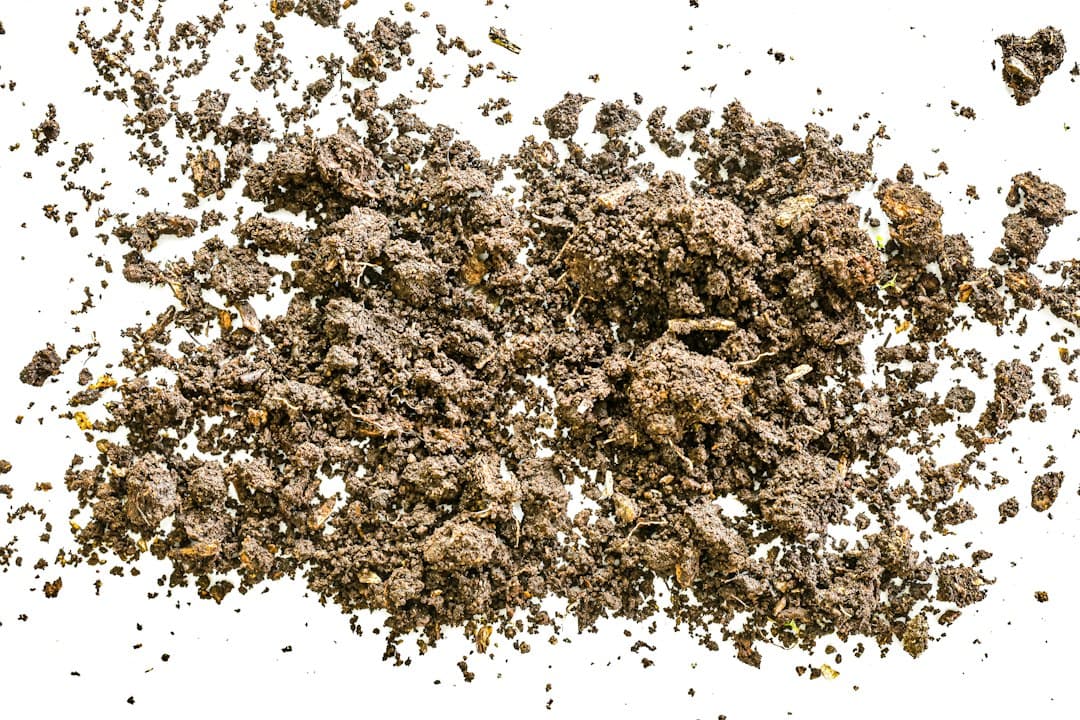
Spring is nature's starting gun. As the soil warms and the frosts ease off, your paddocks are gearing up for a big season of growth. But before you plant a single summer crop, there's one job that pays for itself many times over: spring soil testing. It sounds technical, but don't worry — this guide will walk you through exactly why it matters and how to do it, even if you've never pulled a soil core in your life.
Why Spring Soil Testing Matters
Think of spring soil testing as a health check-up for your paddocks. Over autumn and winter, nutrients get used up, leached by rain, or locked away by changing pH levels. If you plant summer crops without knowing what's going on beneath the surface, you're basically guessing — and guessing with fertiliser is an expensive habit.
A good soil test tells you exactly what your paddock has plenty of, what it's short on, and what the pH is doing. That means you can apply lime, gypsum or fertiliser precisely where it's needed, rather than blanket-spreading and hoping for the best. For beginners, this is one of the simplest ways to lift yields without overspending. It's also a core skill taught in depth in the Agriculture Certificate in Crop and Soil Management, which walks students through sampling, interpreting results and building a nutrient plan from scratch.
Timing matters too. Spring testing gives you a few precious weeks to correct problems — like a dodgy pH or phosphorus deficiency — before you commit seed, time and money to a summer crop. Leave it until planting day and you've missed your window.
What to Test For
At a minimum, a standard spring soil test should cover pH, organic carbon, nitrogen, phosphorus, potassium and sulphur. Depending on your region and crop choice, you might also want to check for trace elements like zinc, boron or copper, especially if you've had deficiency issues in previous seasons.
Don't forget soil structure and moisture either. A soil can have brilliant chemistry on paper but still struggle if it's compacted or poorly drained. Walking your paddocks with a spade in hand, alongside your lab results, gives you the full picture. If you want to build this kind of whole-paddock thinking, the Certificate in Sustainable Farm Management covers soil health alongside broader farm planning, which is handy if you're managing mixed enterprises rather than just cropping country.
How to Take a Good Sample
Here's where a lot of beginners go wrong — not in choosing a lab, but in collecting the sample itself. A few tips to get reliable results:
- Sample each paddock separately, especially if soil types or past management differ.
- Take 15-20 cores per paddock in a zig-zag pattern, avoiding gateways, troughs, fence lines and old stock camps.
- Sample to the correct depth for your crop — usually 0-10cm for pasture, but deeper for row crops.
- Mix cores thoroughly in a clean bucket before bagging a sub-sample.
- Label clearly with paddock name, date and depth.
It's a simple process once you've done it a couple of times, but getting it right makes a real difference to how useful your results are. Many students enrolled in the Advanced Certificate in Agronomy spend practical sessions doing exactly this, so they leave with hands-on confidence rather than just theory.
Turning Results into Action
Once your results land, it's time to make decisions. If pH is low, lime applied now has time to react before summer planting. If phosphorus or potassium are tight, you can budget fertiliser based on actual paddock need rather than a one-size-fits-all rate. If nitrogen is low, you might adjust your crop rotation or consider a legume break to rebuild supply naturally.
This is also a great moment to think about sustainability. Building organic matter, managing stubble, and reducing unnecessary inputs all tie back to what your soil test tells you. If that side of farming interests you, the Certificate in Organic and Sustainable Farming is worth a look, particularly if you're aiming to reduce reliance on synthetic fertilisers over time.
And remember, soil testing isn't a one-off task. Paddocks change year to year depending on what's grown, grazed or harvested. Making spring soil testing a regular habit means you're always working with current information, not last year's guesswork.
Grow Your Knowledge, Grow Your Paddocks
If all this has sparked your interest in agronomy and farm management, you don't need a university degree to get started. Practical, industry-focused courses are a great way to build real skills you can apply straight away on your own property or in a farm job. Whether you're leaning towards cropping, livestock or a mix of both, there's a pathway that fits.
Have questions about which course suits your goals, your experience level, or your farming operation? Check out our FAQs for quick answers, or get in touch directly — we're always happy to chat about where to start.
Ready to turn this spring's soil test into a stronger summer harvest? Explore the Agriculture Certificate in Crop and Soil Management and start building the skills to make every paddock count.
Want to go further?
Study online at your own pace with tutor support 5 days a week. A course consultant can help you choose the right certificate and add-on modules.
Speak to a Course Consultant